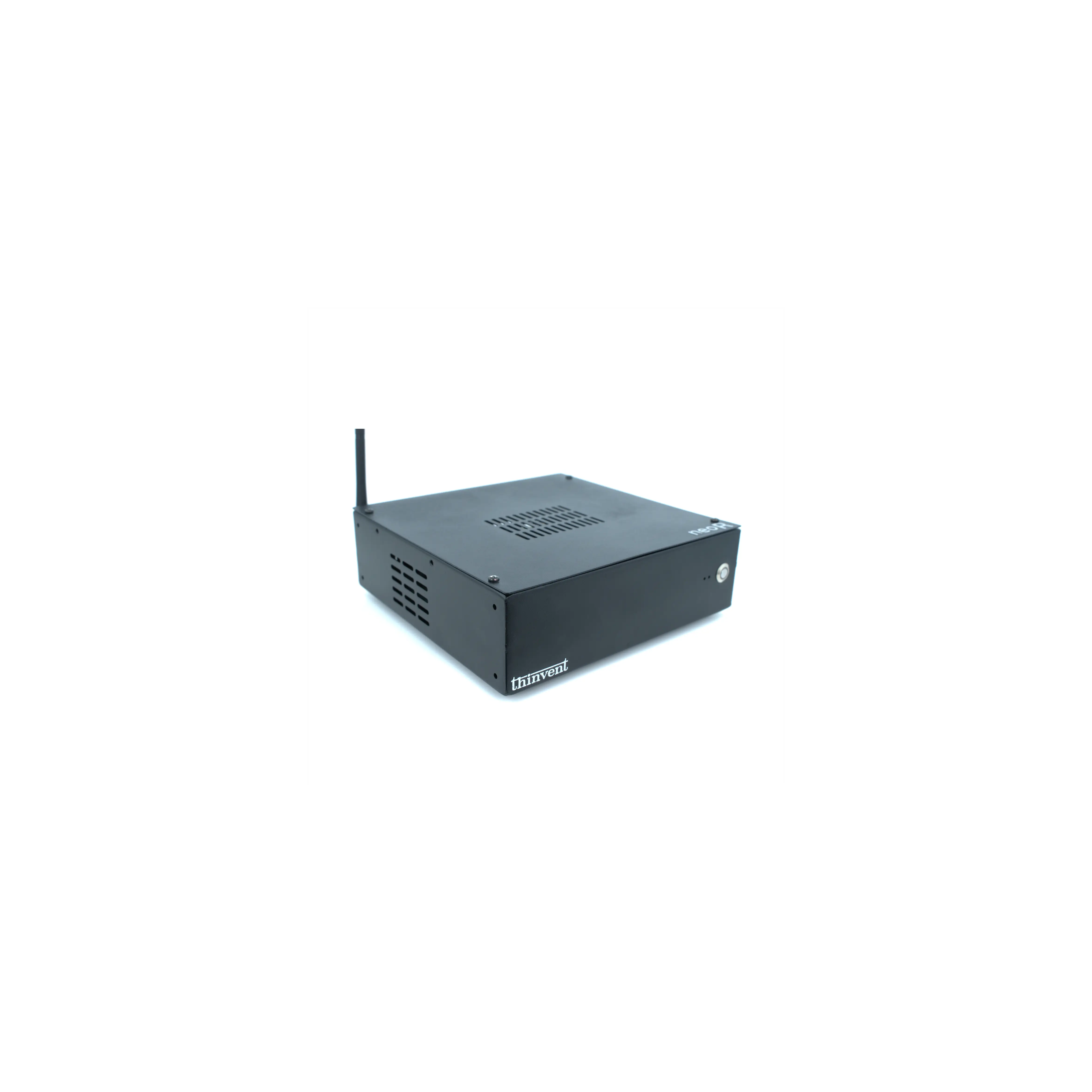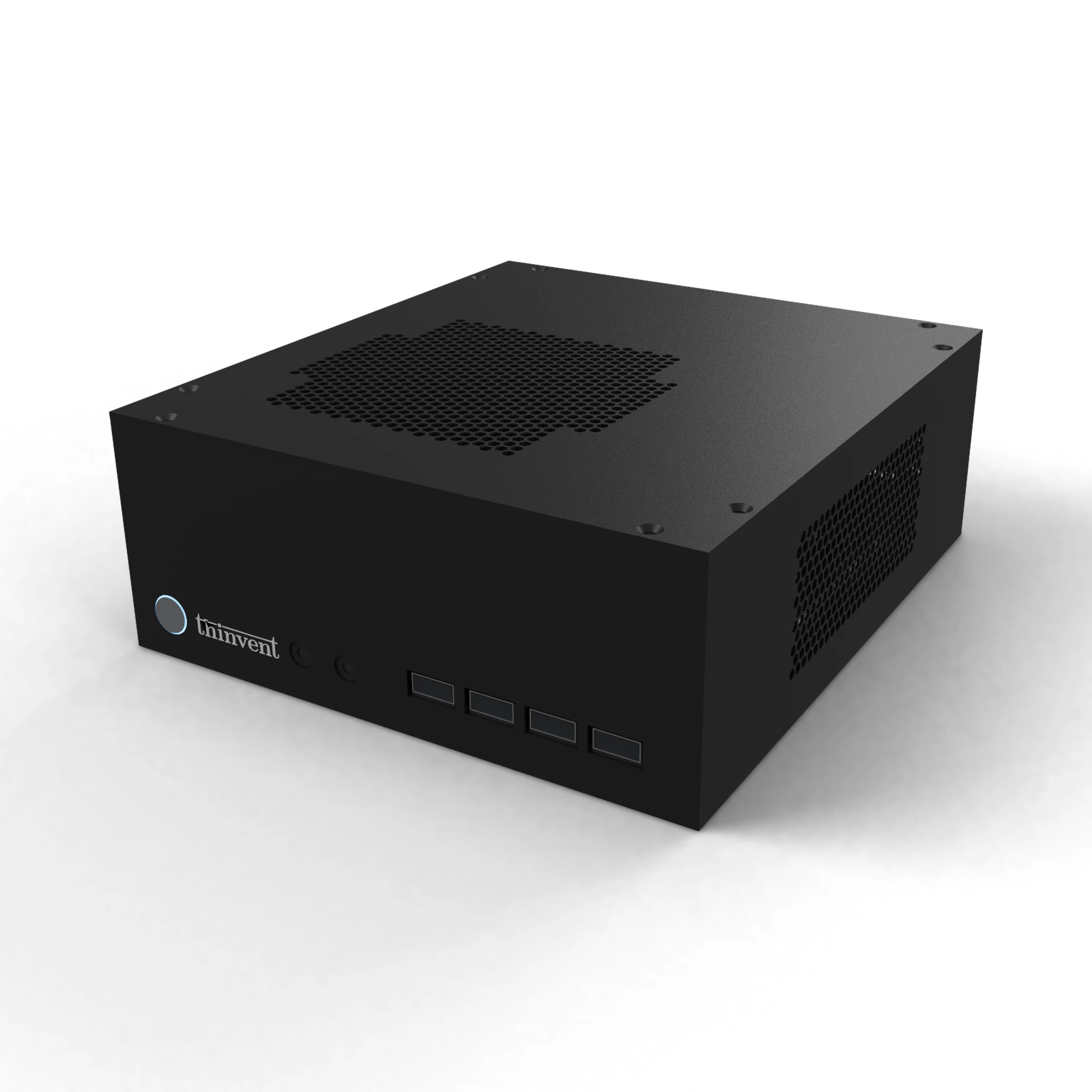
What Are Compact Fanless Mini PCs?
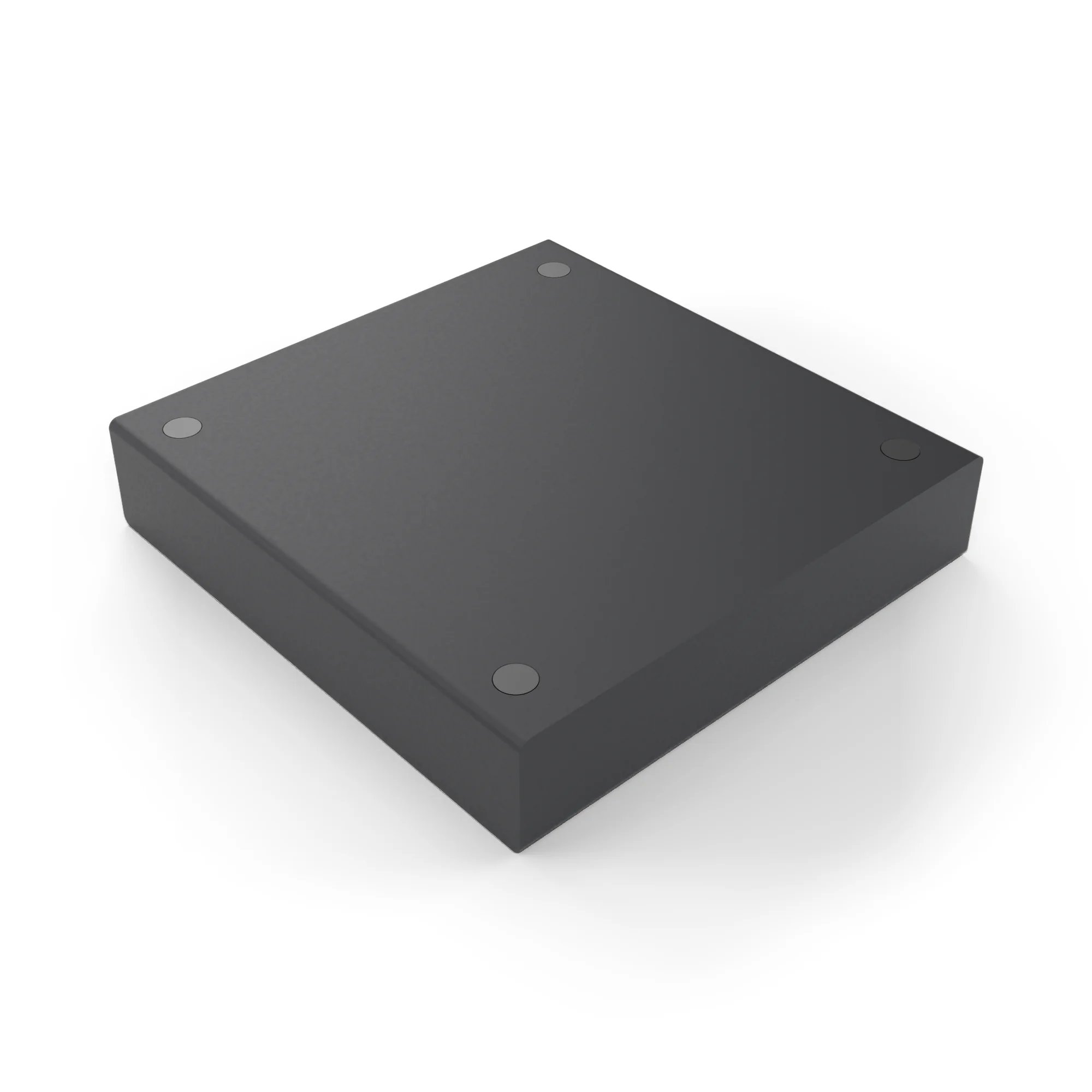
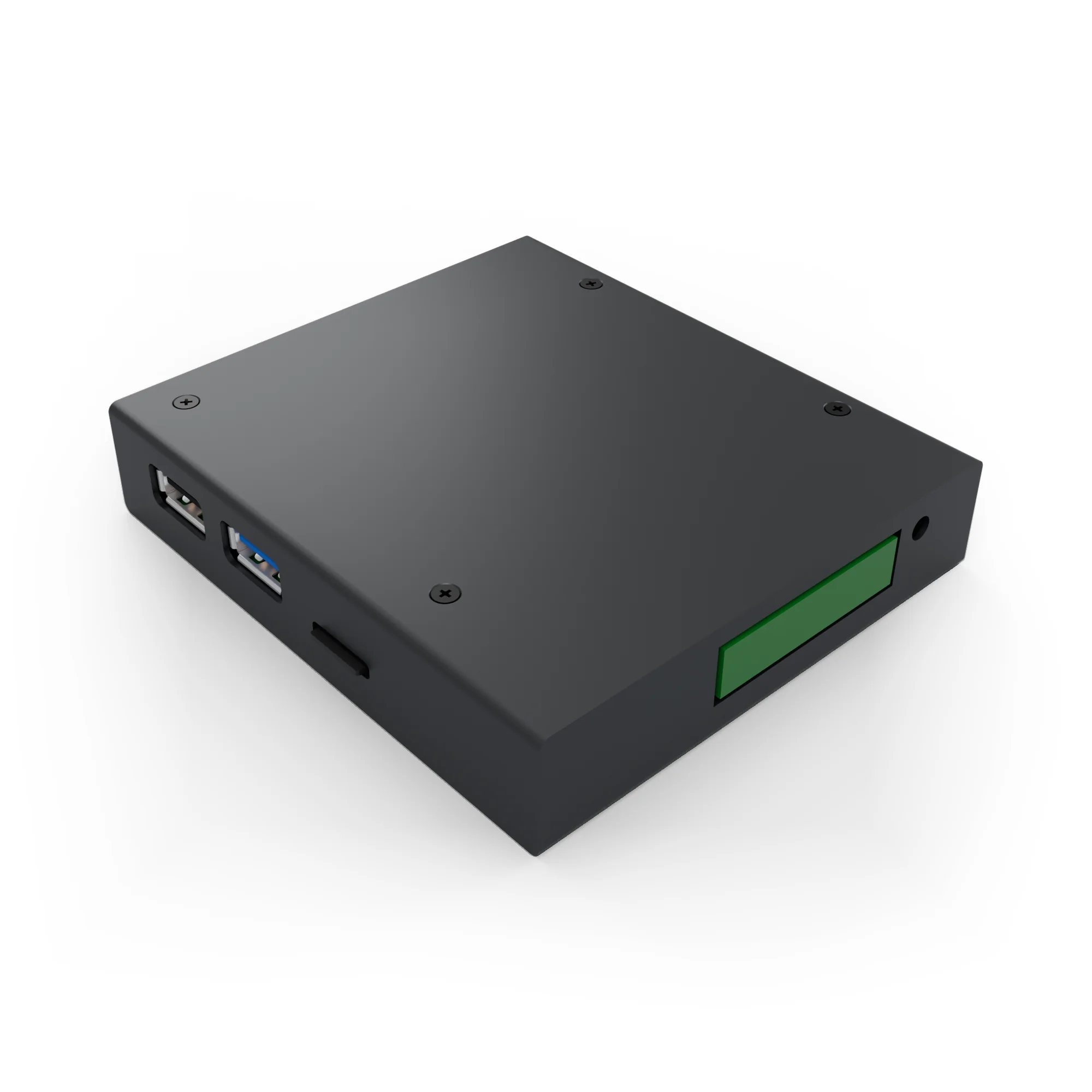
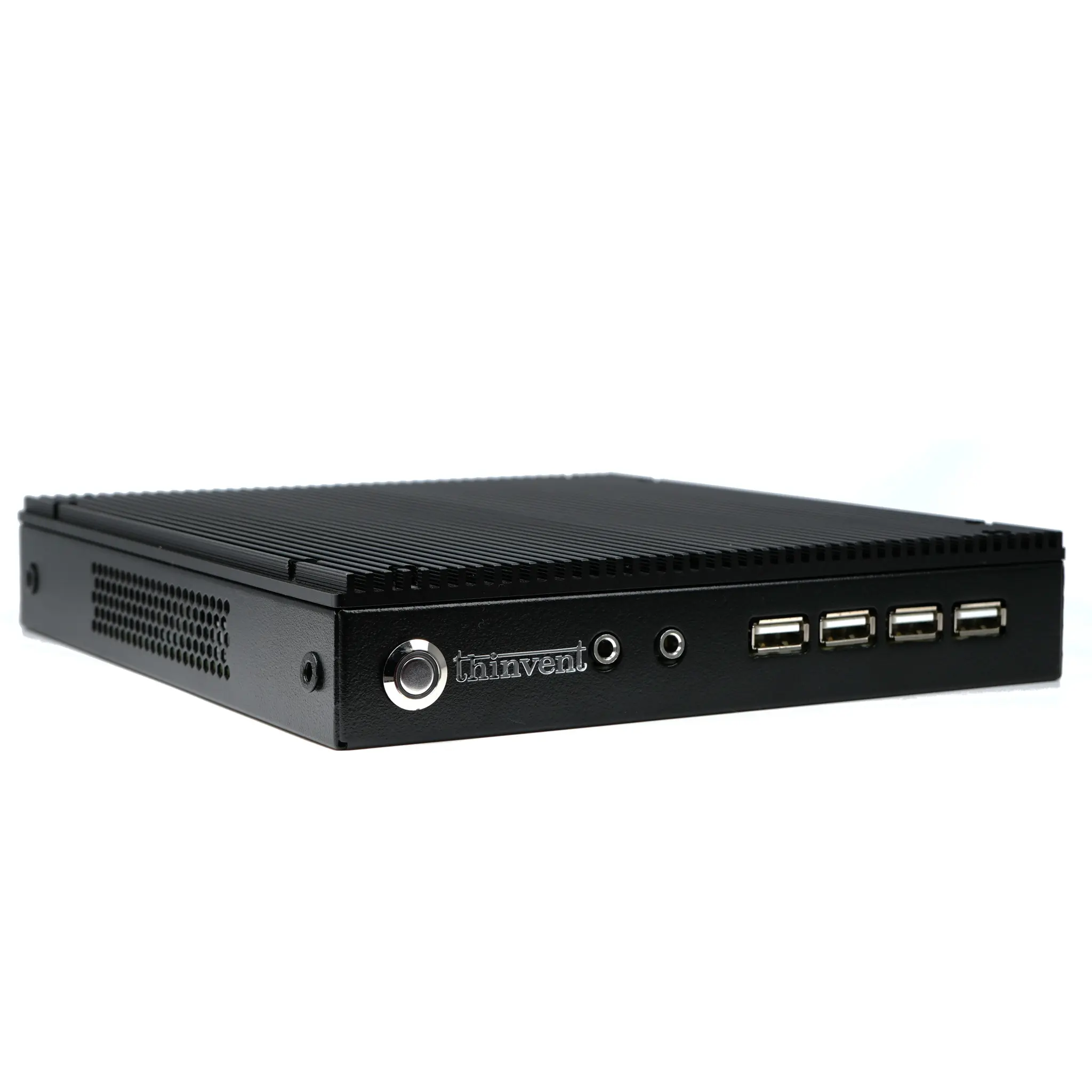
Compact fanless mini PCs are specialized computing devices designed for industrial environments where reliability, durability, and silent operation are paramount. By eliminating moving parts like fans, these systems prevent dust ingress, reduce mechanical failure points, and operate completely silently. They are built with robust casings, often featuring passive heat sinks or advanced thermal designs to dissipate heat effectively without airflow. This makes them ideal for deployment in harsh, confined, or sensitive settings where traditional computers would fail.
Key Specifications and Technical Advantages
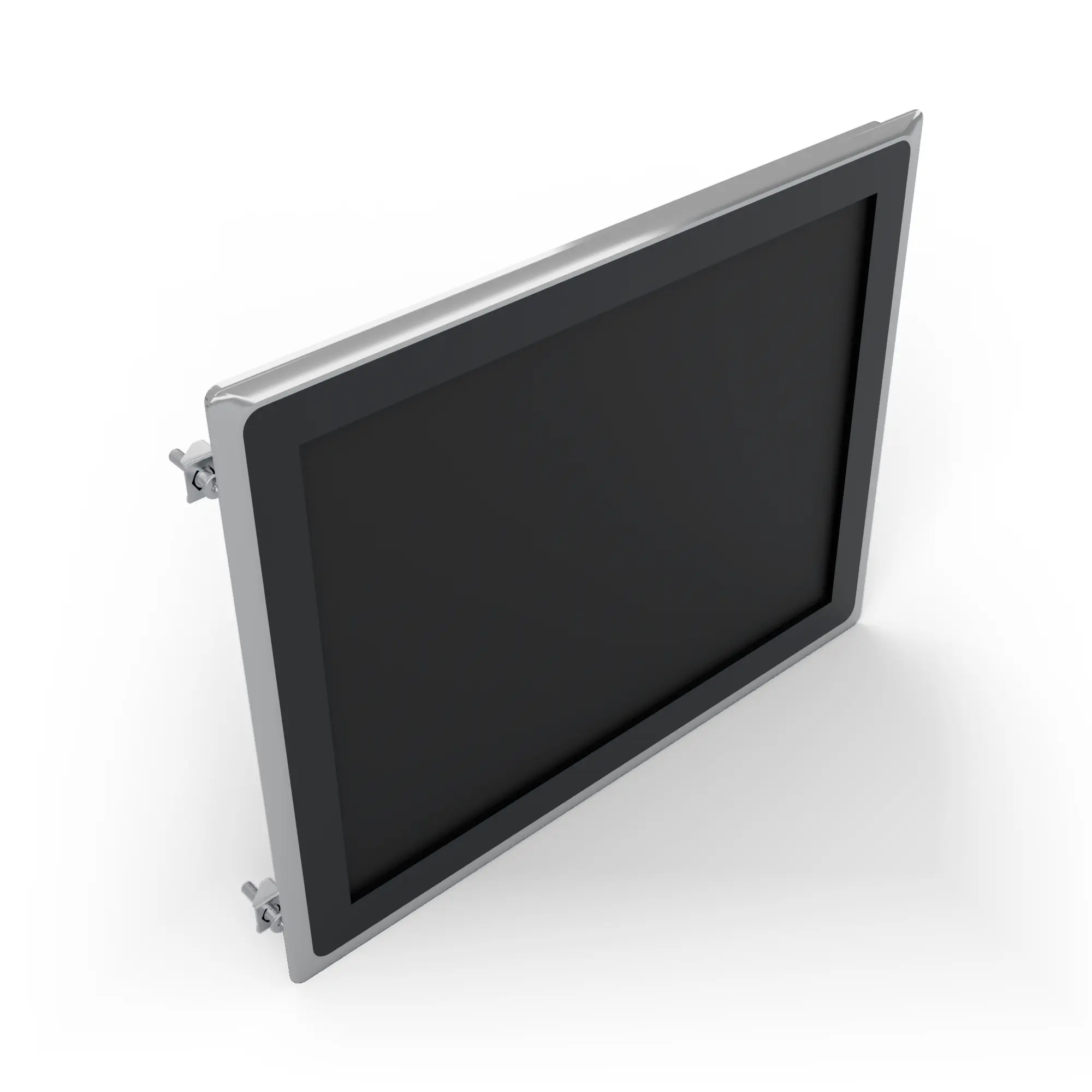
The core strength of fanless mini PCs lies in their ruggedized design and efficient components. Key specifications typically include low-power processors from ARM or Intel, solid-state storage (eMMC or SSD), and onboard memory. For example, ARM-based models like the Cortex A55 offer excellent power efficiency for lightweight tasks, while Intel Core i-series or N-series processors provide higher performance for demanding applications. The absence of fans allows for a wide operating temperature range and protection against particulate matter. Common features include multiple I/O ports (HDMI, USB, serial), support for industrial mounting (VESA), and flexible power input options (e.g., 5V-12V DC).
Industrial Applications and Use Cases
These PCs are engineered for continuous operation in challenging conditions. Primary use cases include:
-
Digital Signage & Kiosks: Silent, reliable operation in retail, hospitality, and public information displays.
-
Factory Automation & IoT Gateways: Controlling machinery, collecting sensor data, and running SCADA/HMI interfaces on the shop floor.
-
Thin Client & VDI Terminals: Providing secure, centralized desktop access in offices, call centers, and healthcare.
-
Embedded Systems: Serving as the brain for transportation systems, medical devices, and environmental monitoring equipment.
-
Edge Computing: Processing data locally in smart cities, agriculture, and energy management networks, reducing latency and bandwidth needs.
Comparison of Processor Platforms
Choosing between ARM and Intel architectures depends on the application's performance and software requirements.
| Feature | ARM-Based (e.g., Cortex A55) | Intel-Based (e.g., Core i5, N100) |
|---|---|---|
| Power Consumption | Very Low (5V typical) | Low to Moderate (12V typical) |
| Performance Profile | Optimized for efficiency, lightweight OS | Higher compute power for complex tasks |
| Typical Use Case | Thin clients, basic kiosks, dedicated Linux apps | Windows-based HMIs, data processing, multi-tasking |
| Thermal Design | Minimal heat output, simple passive cooling | Requires more advanced passive cooling solutions |
| Software Ecosystem | Linux-centric (Thinux, Ubuntu) | Broad support (Windows, Linux, legacy industrial software) |
Thinvent's Range of Industrial Fanless Mini PCs
Thinvent offers a comprehensive portfolio of compact, fanless computers tailored for diverse industrial needs. Our lineup includes energy-efficient ARM-based models like the Micro 5 Wifi Thin Client and Micro 6 Pro Mini PC, perfect for terminal services and embedded Linux applications. For more demanding computational tasks, our Intel-based series provides robust solutions. The Treo Mini PC and IPC1 with Intel N100 processors offer a balance of performance and efficiency. High-performance needs are met by the IPC3, IPC5, and Aero Mini PC series, featuring Intel Core i3, i5, and the latest Core 5 120U processors, capable of running Windows 11 Pro or Ubuntu for advanced industrial automation, AI at the edge, and sophisticated digital signage. All Thinvent products are built for 24/7 reliability, feature wide operating temperature ranges, and support flexible mounting options for seamless integration into any industrial environment.