Understanding the "Laptop Mini Dell" Search Intent
When users search for "laptop mini dell," they are typically looking for ultra-portable computing solutions that offer the convenience of a small form factor, often for travel, education, or space-constrained environments. While Dell's Inspiron Mini series (like the Mini 9) and modern 10-11 inch laptops are popular, many professionals and businesses are discovering that mini PCs provide similar portability with superior performance, upgradeability, and cost-effectiveness. Unlike traditional laptops, mini PCs are compact desktop computers that can be easily transported and connected to any monitor, keyboard, and mouse.
Key Differences: Mini Laptops vs Mini PCs
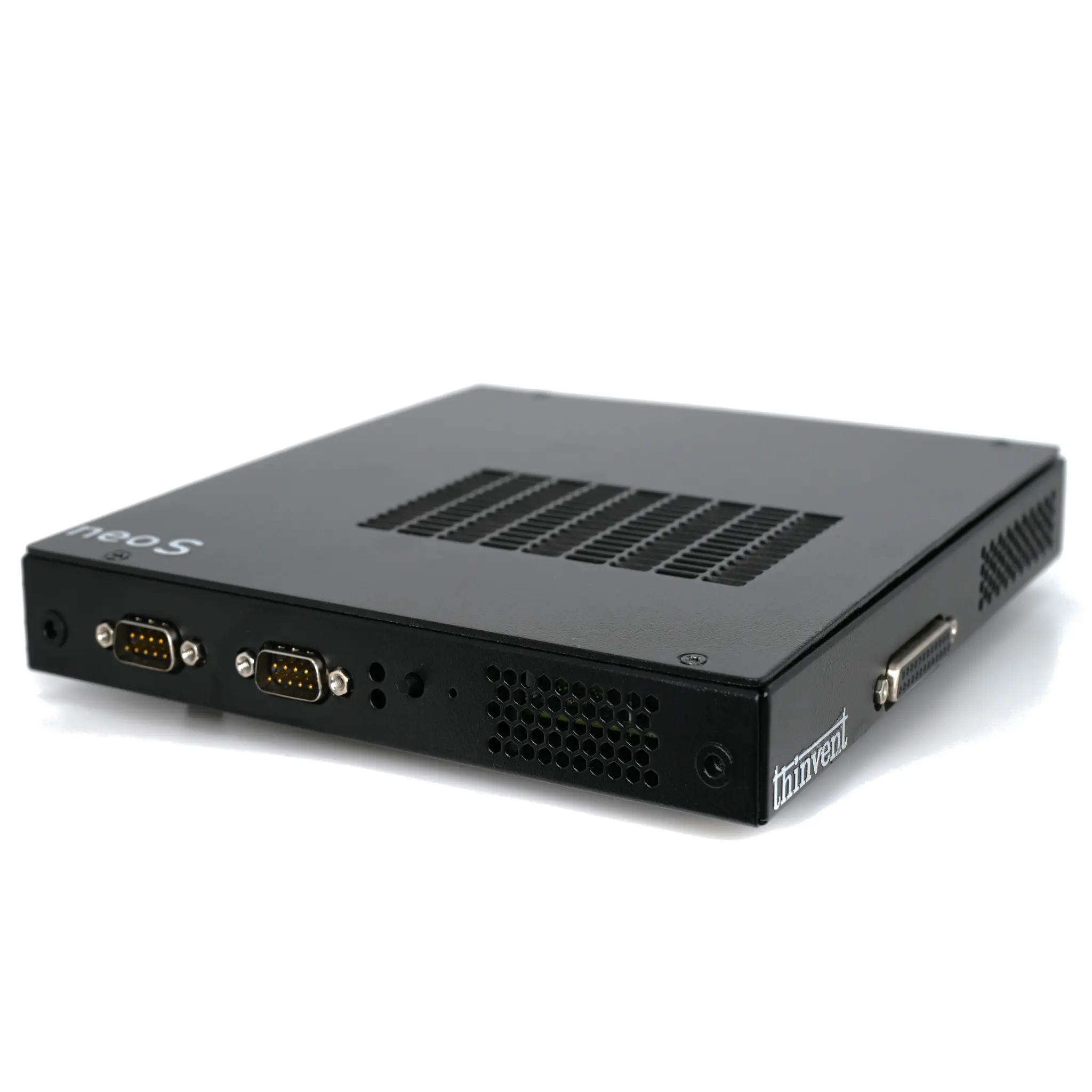
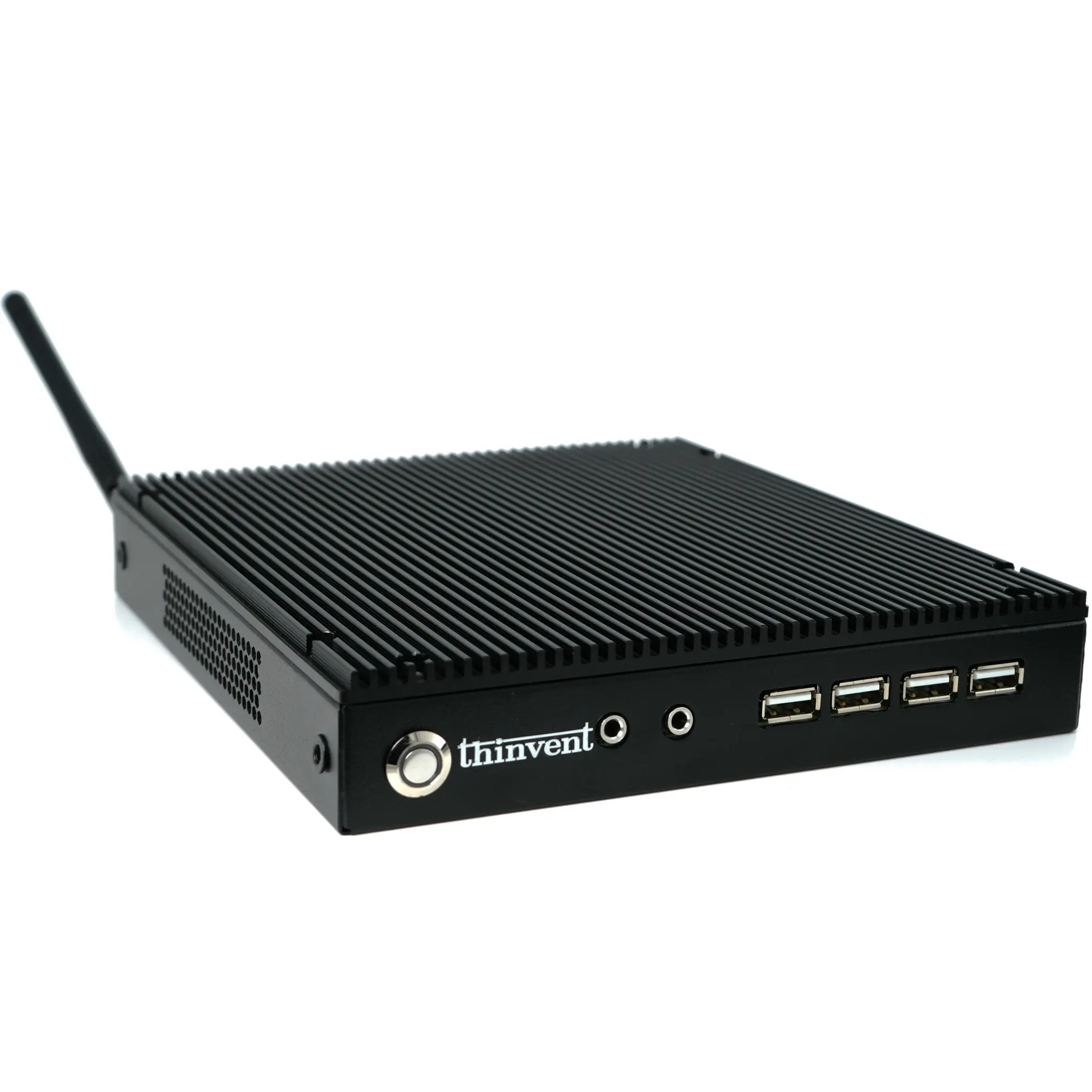
The primary distinction between a Dell mini laptop and a mini PC lies in their design philosophy. Laptops integrate the display, keyboard, and battery into a single portable unit, which can limit upgrade options and thermal performance. Mini PCs, on the other hand, are ultra-compact desktop computers that separate the computing unit from peripherals. This allows for more powerful processors (like Intel Core i5 and i7 series), better cooling systems, and easy upgrades for RAM and storage. For example, Thinvent's Micro 6 Pro Mini PC features an ARM Cortex A55 processor with 4GB RAM and 64GB eMMC storage, making it ideal for lightweight tasks like web browsing and document editing, while being significantly smaller than most laptops.
Performance and Specifications Comparison
When comparing specifications, mini PCs often offer better value for stationary use. While a Dell mini laptop might include an Intel Celeron or Pentium processor with 4GB RAM, a Thinvent mini PC like the Treo N100 model delivers an Intel N100 processor (4 cores, up to 3.4 GHz) with 4GB DDR4 RAM and 128GB SSD. For more demanding tasks, the Aero Mini PC with an Intel Core i3-1215U (6 cores, up to 4.4 GHz) and 8GB RAM provides performance comparable to mid-range laptops. The key advantage is that mini PCs can be configured with higher specs without the thermal constraints of a laptop chassis.
| Feature | Dell Mini Laptop (Typical) | Thinvent Mini PC (Example) |
|---|---|---|
| Form Factor | Integrated display & keyboard | Separate unit (0.5-1L volume) |
| Processor | Intel Celeron/Pentium | Intel N100 / Core i3-i7 |
| RAM | 4GB (soldered often) | 4-16GB DDR4 (upgradeable) |
| Storage | 64GB eMMC | 128-512GB SSD |
| Portability | High (battery included) | High (ultra-compact, no battery) |
| Upgradeability | Limited | RAM, SSD, WiFi modules |
Use Cases and Applications
Mini PCs excel in scenarios where portability is needed but battery life isn't critical. They are perfect for digital signage, thin client deployments, industrial automation, and home theater systems. For professionals who travel but already have monitors at their destinations (hotels, offices, co-working spaces), a mini PC is often lighter and more powerful than a laptop. The Industrial PC IPC5 from Thinvent, with its Intel Core i5-1240P (12 cores, up to 4.4 GHz) and 16GB RAM, can handle heavy multitasking and even light video editing, while being small enough to fit in a backpack.
Thinvent's Range of Compact Computing Solutions
Thinvent offers a diverse portfolio of mini PCs that rival Dell's mini laptops in portability while providing better performance and customization options. From the energy-efficient Micro series with ARM processors (Cortex A53/A55) for basic tasks and embedded Linux, to the powerful Aero and Treo series with Intel N100 and Core i3/i5 processors, there is a solution for every need. The Industrial PC (IPC) line provides ruggedized options for harsh environments, all in ultra-compact form factors. Whether you need a thin client for VDI, a media center, or a reliable industrial controller, Thinvent's mini PCs deliver the portability you expect from a "mini laptop" with the versatility of a desktop.