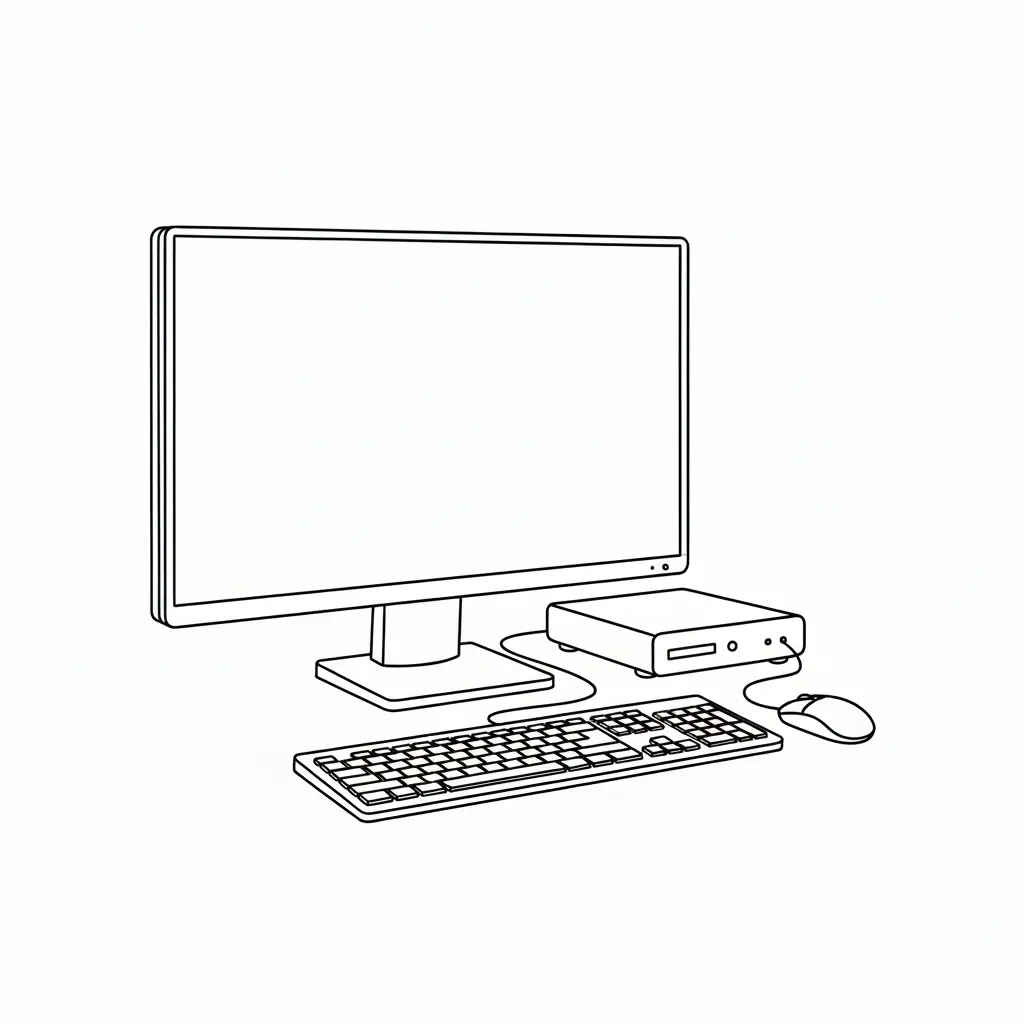
Latest Thin Clients from Thinvent
A thin client is a compact computer that runs its applications and operating system from a server or from its own embedded system, with local storage kept small. Thinvent's current thin client range includes two processor families: ARM Cortex A53 and Intel Celeron J1900. Buyers choose the processor, memory, storage and operating system that match their workload.
Key Specifications
The Thinvent Micro 5R uses an ARM Cortex A53 processor with 4 cores running up to 2.0 GHz. It has 2 GB of onboard RAM, 16 GB of eMMC storage, WiFi 6, Bluetooth, one HDMI 2.0 output and one speaker output. It runs Thinux embedded Linux.
The Thinvent Neo S series uses an Intel Celeron J1900 processor with 4 cores running up to 2.4 GHz and 2 MB of cache. Memory options are 4 GB or 8 GB of DDR3 RAM. Storage options are 32 GB MLC SSD, 128 GB SSD, 256 GB SSD, or dual 32 GB MLC SSDs. The Neo S has no WiFi. Operating system options are Windows 11 Pro, Ubuntu Linux, Thinux embedded Linux, DOS, or no operating system.
Comparison
| Feature | Thinvent Micro 5R | Thinvent Neo S |
|---|---|---|
| Processor | ARM Cortex A53, 4 cores, up to 2.0 GHz | Intel Celeron J1900, 4 cores, up to 2.4 GHz |
| Cache | Not specified | 2 MB |
| Memory | 2 GB | 4 GB or 8 GB DDR3 |
| Storage | 16 GB eMMC | 32 GB, 128 GB or 256 GB SSD, or dual 32 GB MLC SSD |
| WiFi | WiFi 6 | None |
| Operating system | Thinux embedded Linux | Windows 11 Pro, Ubuntu Linux, Thinux, DOS, or none |
Use Cases
Thin clients suit kiosks, point-of-sale terminals, digital signage, call centres, classrooms and office desks. Low power draw and small storage keep the total cost of ownership low. The Micro 5R suits low-power embedded tasks and wireless connectivity. The Neo S suits Windows-based office work and multi-application desktop use.
Thinvent Thin Clients
Thinvent has the Micro 5R with ARM Cortex A53 and the Neo S series with Intel Celeron J1900, in several memory, storage and operating system configurations. Both models are sold with worldwide support for global deployments.