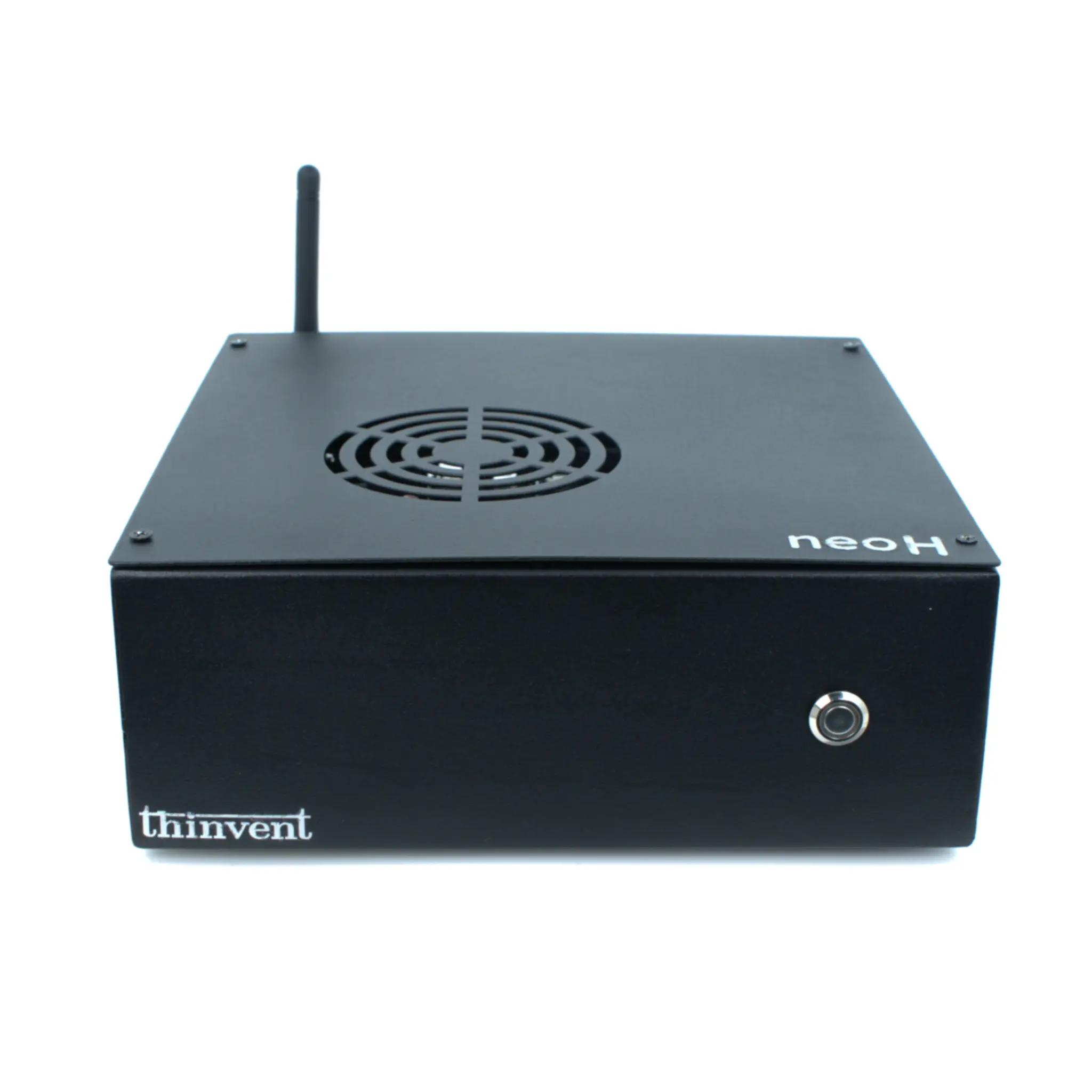
Understanding Compact Desktop Computers
A compact desktop computer, often referred to as a mini PC or small form factor (SFF) desktop, is a powerful, space-saving computing solution designed to deliver full desktop functionality in a significantly reduced footprint. These systems are engineered for environments where space is at a premium, energy efficiency is critical, and reliable performance is non-negotiable. Unlike traditional tower desktops, they often utilize low-power, fanless processors and solid-state storage for silent, maintenance-free operation.
Key Specifications and Technical Details
Modern compact desktops are built around efficient system-on-chip (SoC) architectures. Key specifications include:
-
Processors: Utilize Intel's latest low-power processors (e.g., Intel N-series) that balance performance with minimal heat output, enabling fanless designs.
-
Memory: Typically feature 8GB to 16GB of soldered or SODIMM DDR4/DDR5 RAM for smooth multitasking.
-
Storage: Rely on M.2 NVMe or SATA SSDs (128GB to 1TB) for fast boot times, application loading, and data access.
-
Connectivity: Offer comprehensive I/O including multiple USB 3.2/Type-C ports, dual HDMI or DisplayPort outputs for multi-monitor setups, and Gigabit Ethernet for reliable network connectivity.
-
Form Factor: Extremely compact, often measuring just a few inches in each dimension, with VESA mount compatibility for discreet placement behind monitors or under desks.
Use Cases and Applications
The versatility of compact desktops makes them ideal for a wide range of commercial and industrial applications:
-
Digital Signage & Kiosks: Their small size and fanless operation allow for seamless integration into retail displays, information kiosks, and interactive terminals.
-
Office Productivity: Perfect for general office work, web browsing, document processing, and video conferencing, freeing up valuable desk space.
-
Light Industrial & Edge Computing: Used in manufacturing, logistics, and warehouse settings for process control, data collection, and running specialized software at the network edge.
-
Thin Client & Virtual Desktop Infrastructure (VDI): Serve as robust endpoints for accessing cloud or server-hosted virtual desktops and applications.
Comparison: Compact Desktop vs. Traditional Desktop
| Feature | Compact Desktop (Mini PC) | Traditional Tower Desktop |
|---|---|---|
| Size & Footprint | Extremely small (e.g., 0.5-2 liters) | Large, requires significant desk/floor space |
| Cooling | Often fanless (passive) or very quiet | Typically uses active fans, can be noisy |
| Power Consumption | Very low (10W-65W TDP) | Moderate to High (65W+ TDP) |
| Upgradability | Limited (often RAM/SSD only) | High (full expansion slots, multiple drives) |
| Deployment | Easy to mount/hide; ideal for space-constrained areas | Standard placement; requires dedicated area |
| Typical Use | Business, digital signage, light computing, edge IoT | High-performance gaming, workstations, servers |
Thinvent Compact Desktop Solutions
Thinvent specializes in high-reliability, industrial-grade compact desktop computers designed for 24/7 operation. Our Aero series, for example, embodies the core principles of modern compact computing. Built with Intel's efficient N-series processors, these fanless mini PCs offer robust performance for business and light industrial tasks without the noise or maintenance concerns of moving parts. They come configured with ample DDR4 memory and fast SSD storage, supporting a variety of operating systems including Windows 11, Ubuntu Linux, and our proprietary Thinux™ Embedded Linux to meet diverse software requirements. Engineered for global deployment, Thinvent's compact desktops provide a dependable, space-efficient computing foundation for digital signage, office productivity, kiosks, and edge computing applications worldwide.