What is a Local Server Machine?
A local server machine is a dedicated computer system designed to host and manage data, applications, or services within a private network, rather than relying on cloud-based or off-site infrastructure. These machines are the backbone for on-premises IT operations, providing control, security, and low-latency access to resources for connected users and devices. For businesses, a local server can handle tasks like file sharing, network management, hosting internal websites, or running specific business applications.
Key Specifications for Local Servers
When selecting a local server, key technical considerations differ from standard desktop PCs. Reliability, connectivity, and processing efficiency are paramount.
-
Processor & Performance: Multi-core CPUs (e.g., Intel Core i3/i5 or efficient N-series processors) are essential for handling concurrent tasks. Server workloads benefit from higher core counts for virtualization and multi-threaded applications.
-
Memory (RAM): Adequate RAM is critical. For basic file/print servers, 8GB-16GB may suffice, while application or database servers often require 32GB or more to ensure smooth operation.
-
Storage: Fast, reliable storage is non-negotiable. Solid State Drives (SSDs) with capacities of 256GB or higher are recommended for the operating system and applications, often paired with larger HDDs or network-attached storage for data.
-
Connectivity & Reliability: Multiple Gigabit Ethernet ports are crucial for network throughput and redundancy. Fanless, solid-state designs improve reliability by eliminating moving parts, making them ideal for 24/7 operation in industrial or office environments.
Common Use Cases and Applications
Local server machines are versatile and serve numerous critical functions:
-
Small Business Infrastructure: Acting as a central hub for file storage, printer sharing, and hosting internal collaboration tools or customer relationship management (CRM) software.
-
Industrial Automation: Hosting SCADA systems, PLC data loggers, or manufacturing execution systems (MES) on the factory floor, where real-time data processing and network independence are vital.
-
Digital Signage & Media Hosting: Storing and scheduling content for networks of digital displays in retail, corporate, or public spaces.
-
Development & Testing Environments: Providing a controlled, on-premises sandbox for software developers to build and test applications without external dependencies.
Choosing the Right Server for Your Needs
| Server Type | Typical Use Case | Recommended Specs (Minimum) |
|---|---|---|
| File/Print Server | Centralized document storage & printer management | Intel N-series or i3, 8GB RAM, 256GB SSD |
| Application Server | Hosting business software (e.g., databases, ERP) | Intel i5 or higher, 16GB+ RAM, 512GB+ SSD |
| Industrial Gateway | Data acquisition & machine connectivity in factories | Fanless design, Intel processor, dual Ethernet |
| Media/Content Server | Streaming video or hosting digital signage content | Intel i3/i5, 16GB RAM, high-capacity SSD/HDD |
Thinvent Industrial Computers as Local Servers
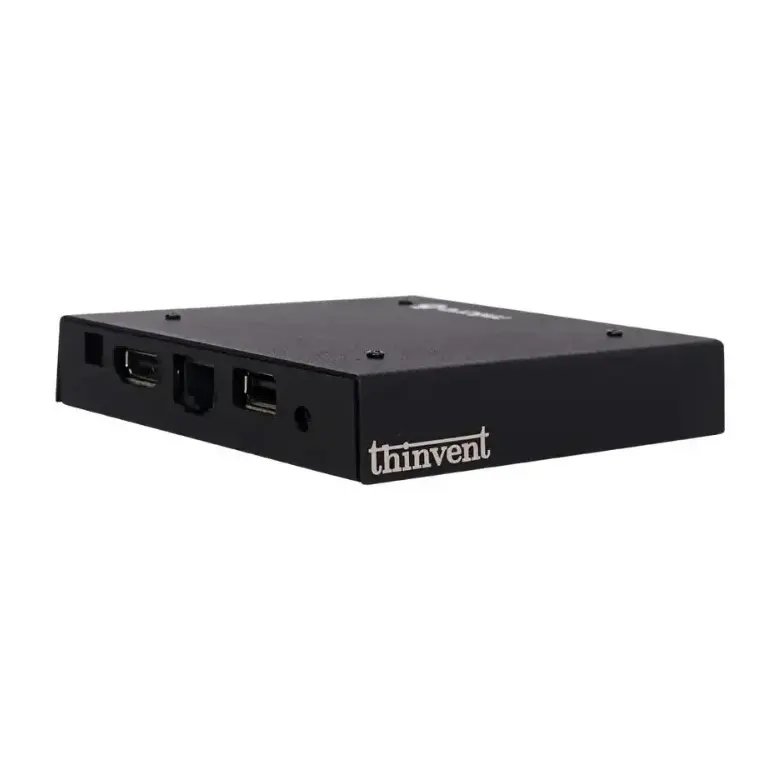
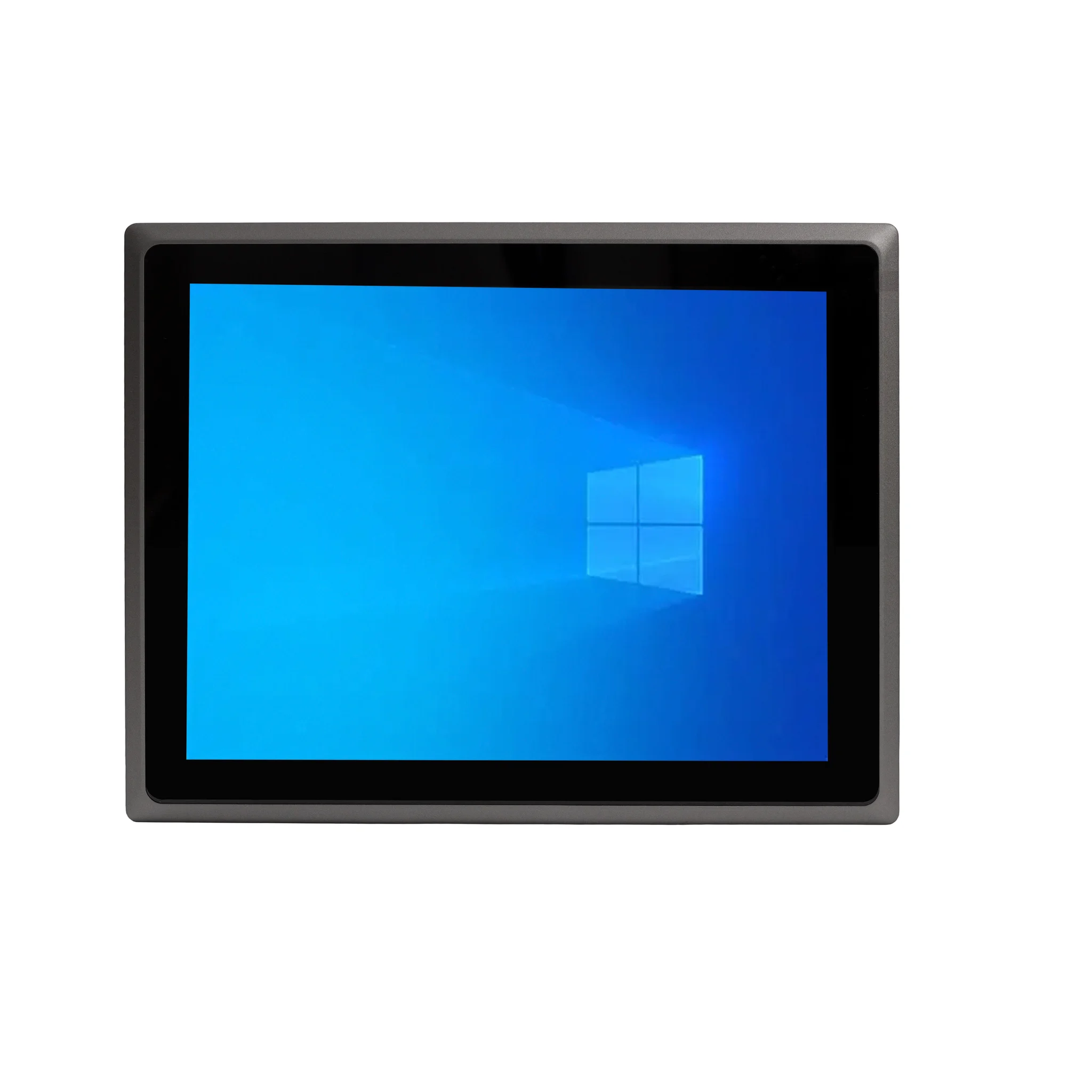
Thinvent's range of robust industrial computers is engineered to excel as reliable local server machines. Our fanless Mini PCs and Industrial PCs are built for continuous operation, featuring efficient Intel processors, ample memory and storage options, and multiple high-speed connectivity ports. These systems are designed to operate silently and reliably in diverse environments, from climate-controlled server closets to demanding factory floors. Whether you need a compact server for a small office network or a ruggedized unit for industrial data logging, Thinvent provides scalable, durable solutions to form the core of your local IT infrastructure.