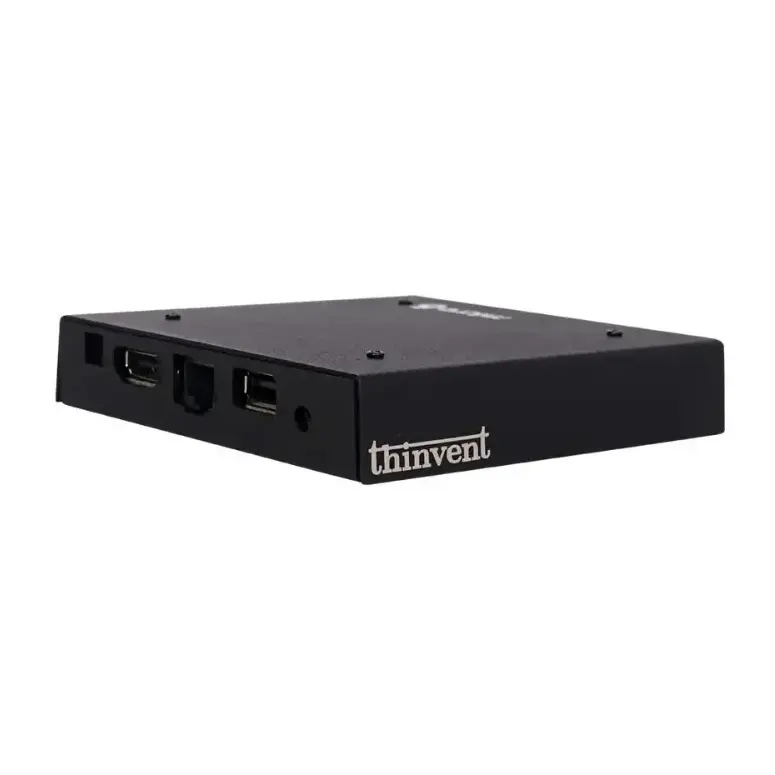
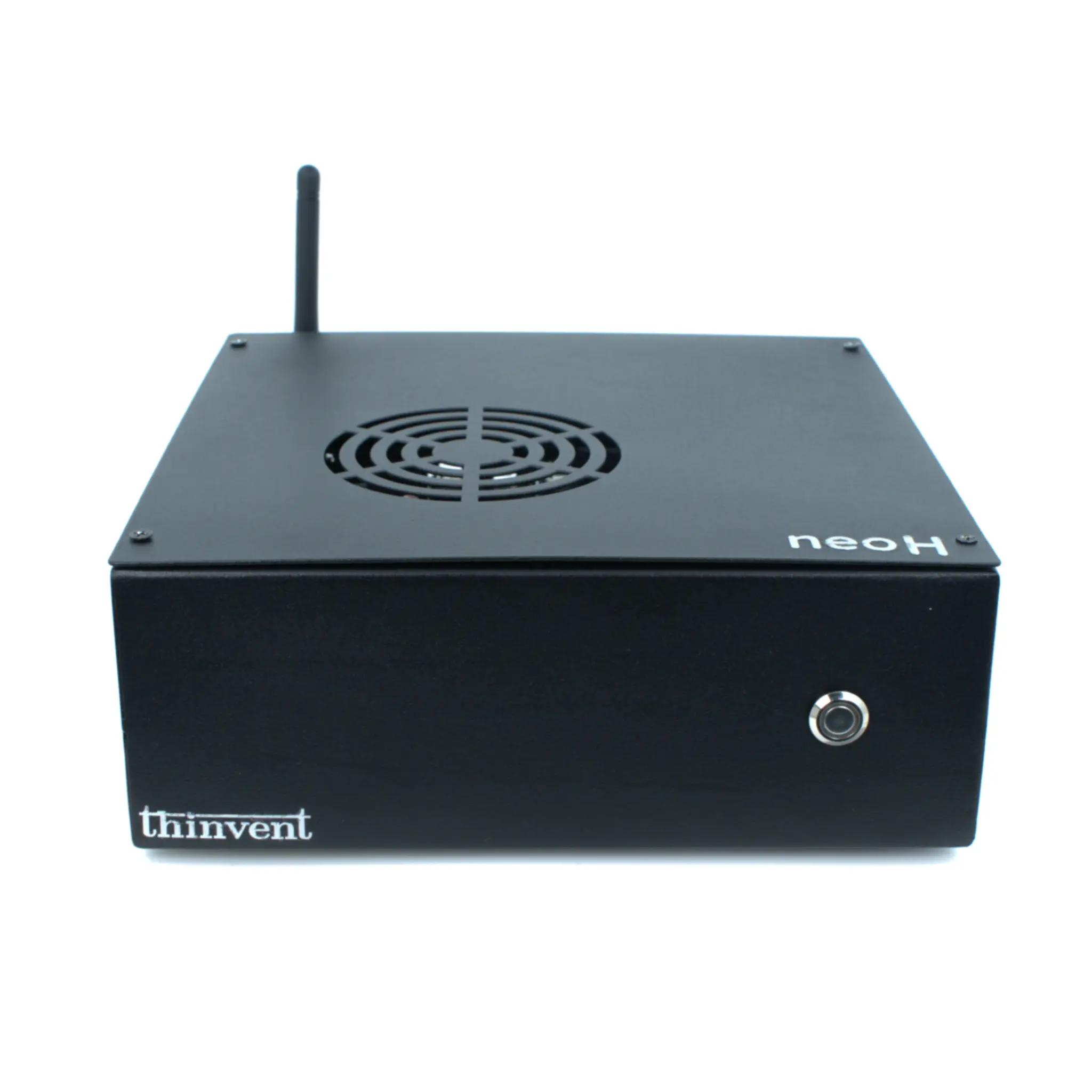
A micro PC with a PCIe slot is a compact computing device that incorporates a Peripheral Component Interconnect Express (PCIe) expansion slot, allowing users to add specialized hardware cards to a small-form-factor system. This combination provides the space-saving benefits of a mini PC with the customization and expansion capabilities typically found in larger desktop towers. The PCIe interface enables high-speed data transfer, making it suitable for adding graphics cards, network adapters, capture cards, specialized I/O cards, or storage controllers.
Key Specifications and Technical Details
These systems are defined by their form factor and expansion capability. Key specifications include the PCIe generation (e.g., PCIe 3.0, 4.0) which dictates bandwidth, the physical slot type (e.g., x1, x4, x16), and the available lane count. They are powered by efficient processors, often Intel Core or Celeron series, and support standard DDR4 or DDR5 memory and M.2 NVMe storage. Their compact chassis requires careful thermal design, often utilizing fanless or low-noise active cooling solutions. Common connectivity includes multiple USB ports, HDMI/DisplayPort outputs, and Gigabit Ethernet, with the PCIe slot serving as the primary expansion point.
Applications and Use Cases
The primary value of a PCIe-equipped micro PC is enabling powerful, dedicated functions in space-constrained or embedded environments.
-
Digital Signage & Kiosks: Adding a high-performance GPU for driving multiple 4K displays or a capture card for live video feeds.
-
Industrial Automation: Integrating specialized I/O cards for machine control, data acquisition (DAQ), or programmable logic controller (PLC) communication.
-
Network Appliances: Installing multi-port 2.5GbE or 10GbE network interface cards (NICs) to create a compact firewall, router, or network storage server.
-
Thin Client / VDI Hosts: Using a GPU card to enhance virtual desktop performance for graphics-intensive applications.
-
Test & Measurement: Connecting to specialized instrumentation and sensor arrays via custom PCIe interface cards.
Comparison: PCIe Slot Types in Mini PCs
| Slot Type | Typical Use Case | Bandwidth (PCIe 3.0) | Physical Size |
|---|---|---|---|
| PCIe x1 | Network cards, USB expansion, serial/parallel I/O cards | ~1 GB/s | Small |
| PCIe x4 | NVMe storage controllers, multi-gigabit NICs, entry-level GPUs | ~4 GB/s | Medium |
| PCIe x16 | Dedicated Graphics Cards (GPU), high-performance compute cards | ~16 GB/s | Large (Full/ Half-Height) |
Thinvent Micro PCs with PCIe Expansion
Thinvent offers a range of industrial-grade micro PCs designed with expansion in mind. Our compact systems balance robust processing power from Intel platforms with flexible I/O and, in select models, accessible PCIe slots for customization. Built for 24/7 operation in challenging environments, these fanless or actively cooled computers provide the reliability and expansion capability needed for industrial, digital signage, and edge computing applications where both size and functionality are critical.