What Are Microsoft Computers?
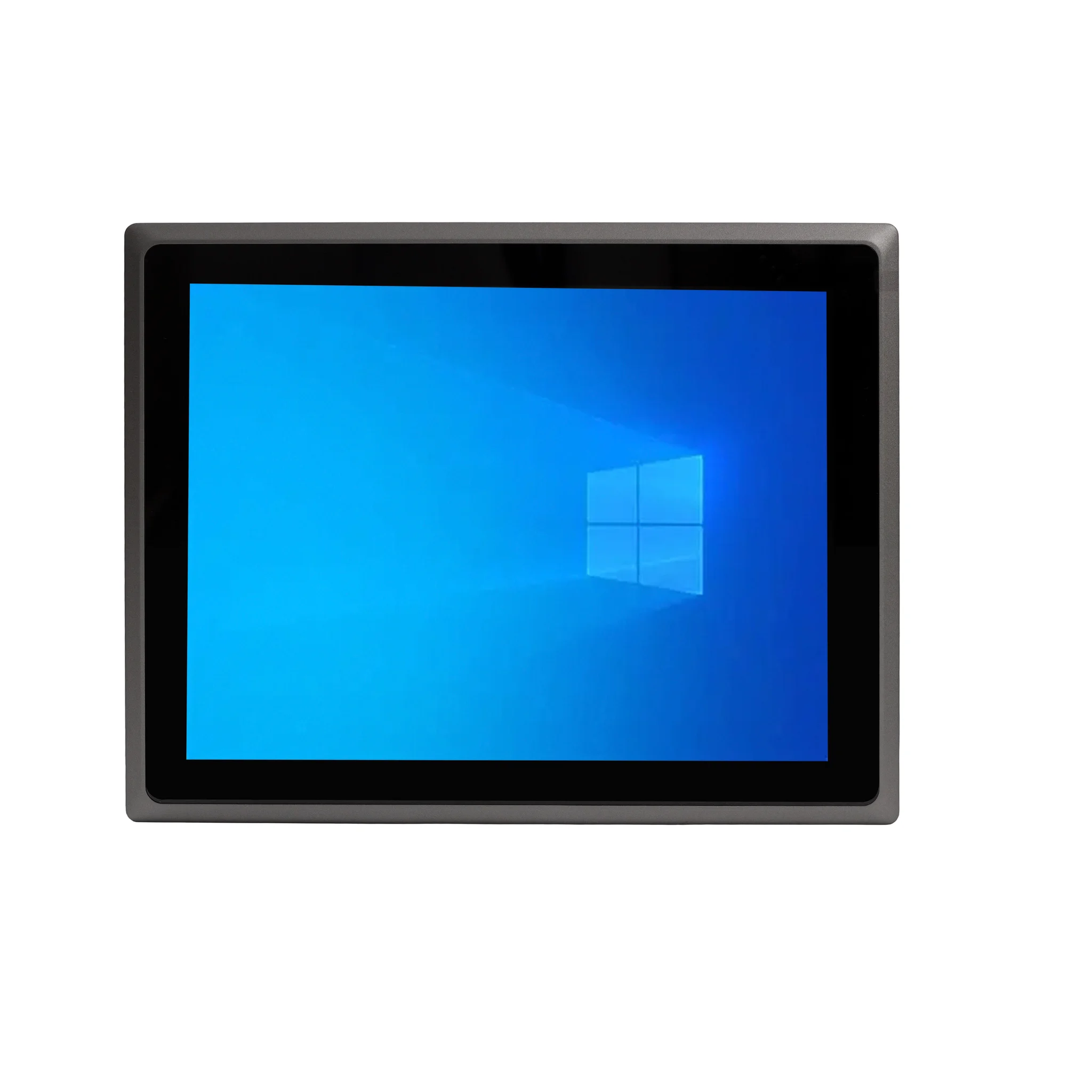
Microsoft computers refer to computing systems that run Microsoft's operating systems, primarily Windows. In an industrial context, these are robust, reliable PCs designed for continuous operation in demanding environments. They provide the familiar Windows interface and software compatibility while being engineered for industrial applications with features like fanless cooling, wide temperature tolerance, and enhanced durability.
Key Specifications and Technical Details
Industrial Microsoft computers typically feature Intel or ARM processors, solid-state storage, and ample RAM to handle industrial software. They support various Windows versions, including Windows 10 IoT Enterprise and Windows 11 Pro, which offer long-term service channels for stability. Key technical aspects include:
-
Operating System: Windows 11 Pro, Windows 11 IoT Enterprise, or legacy Windows 10 versions.
-
Processor: Intel Core i3/i5/i7, Celeron, or Atom series CPUs, often from recent generations for optimal performance and power efficiency.
-
Memory: Ranges from 8GB to 64GB of DDR4/DDR5 RAM for multitasking.
-
Storage: Fast NVMe or SATA SSDs from 128GB to 2TB for reliable data access.
-
Connectivity: Multiple Gigabit Ethernet ports, USB 3.2/4.0, and serial ports for industrial peripherals.
-
Design: Fanless, ruggedized chassis with wide voltage input (9-36V DC) and operating temperature ranges from -20°C to 70°C.
Use Cases and Applications
These computers are indispensable where software compatibility, user familiarity, and enterprise management are crucial.
-
Digital Signage & Kiosks: Powering interactive displays in retail, hospitality, and public spaces.
-
Factory Automation: Running HMIs (Human-Machine Interfaces), SCADA systems, and control software on the shop floor.
-
Thin Clients & VDI: Providing secure, managed endpoints for accessing virtual desktops in offices and call centers.
-
Edge Computing: Processing data locally in IoT deployments, such as in transportation or smart cities, before sending it to the cloud.
-
Medical Devices: Operating diagnostic equipment and patient monitoring systems where reliability is critical.
Comparison: Windows vs. Other Industrial OS
| Feature | Microsoft Windows (Industrial) | Embedded Linux | FreeDOS / No OS |
|---|---|---|---|
| Software Ecosystem | Vast, commercial & proprietary | Open-source, requires customization | None (user installs) |
| User Familiarity | Excellent, standard GUI | Lower, often command-line | None |
| Security & Management | Strong with Active Directory, Intune | Depends on distribution | User-dependent |
| Real-Time Performance | Standard; requires special SKUs | Can be configured for real-time | N/A |
| Total Cost of Ownership | Higher (licensing fees) | Lower (no licensing) | Lowest |
| Ideal For | Standard commercial software, easy deployment | Custom applications, cost-sensitive projects | Users who will install their own OS |
Thinvent's Microsoft-Based Industrial PCs
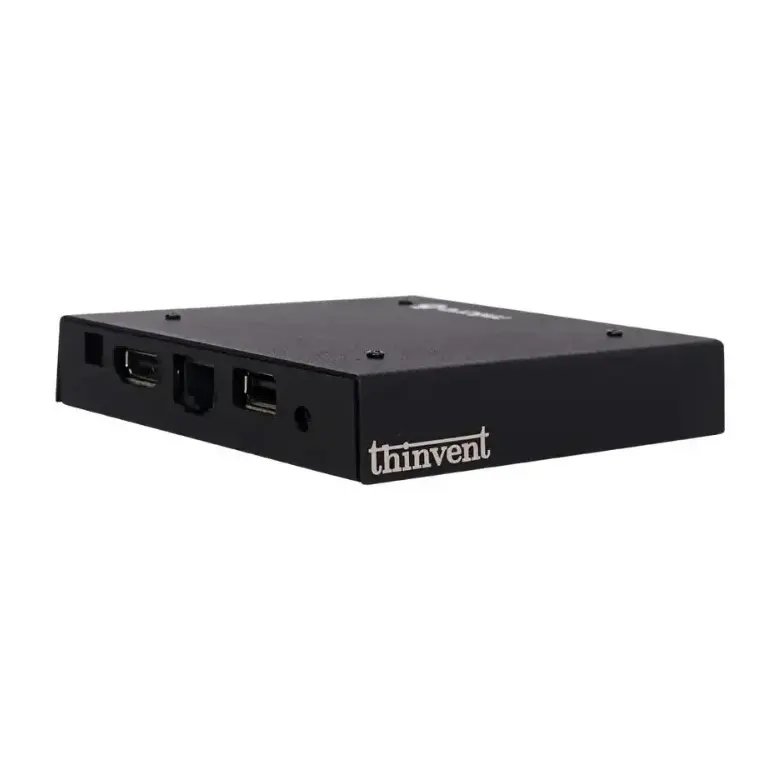
Thinvent offers a comprehensive range of industrial computers pre-configured with Microsoft Windows, providing out-of-the-box readiness for professional environments. Our product lines include compact Mini PCs and Thin Clients perfect for space-constrained digital signage or office workstations, as well as robust Industrial Panel PCs and All-in-One systems designed for harsh factory or outdoor settings. Every Thinvent Microsoft computer is built for 24/7 reliability, featuring fanless designs for silent operation and dust resistance, wide-range power inputs for electrical stability, and rigorous testing to ensure performance in extreme temperatures. We provide options with the latest Windows 11 Pro for general use or Windows 11 IoT Enterprise for specialized, long-lifecycle deployments, all backed by our global support and expertise in industrial computing solutions.