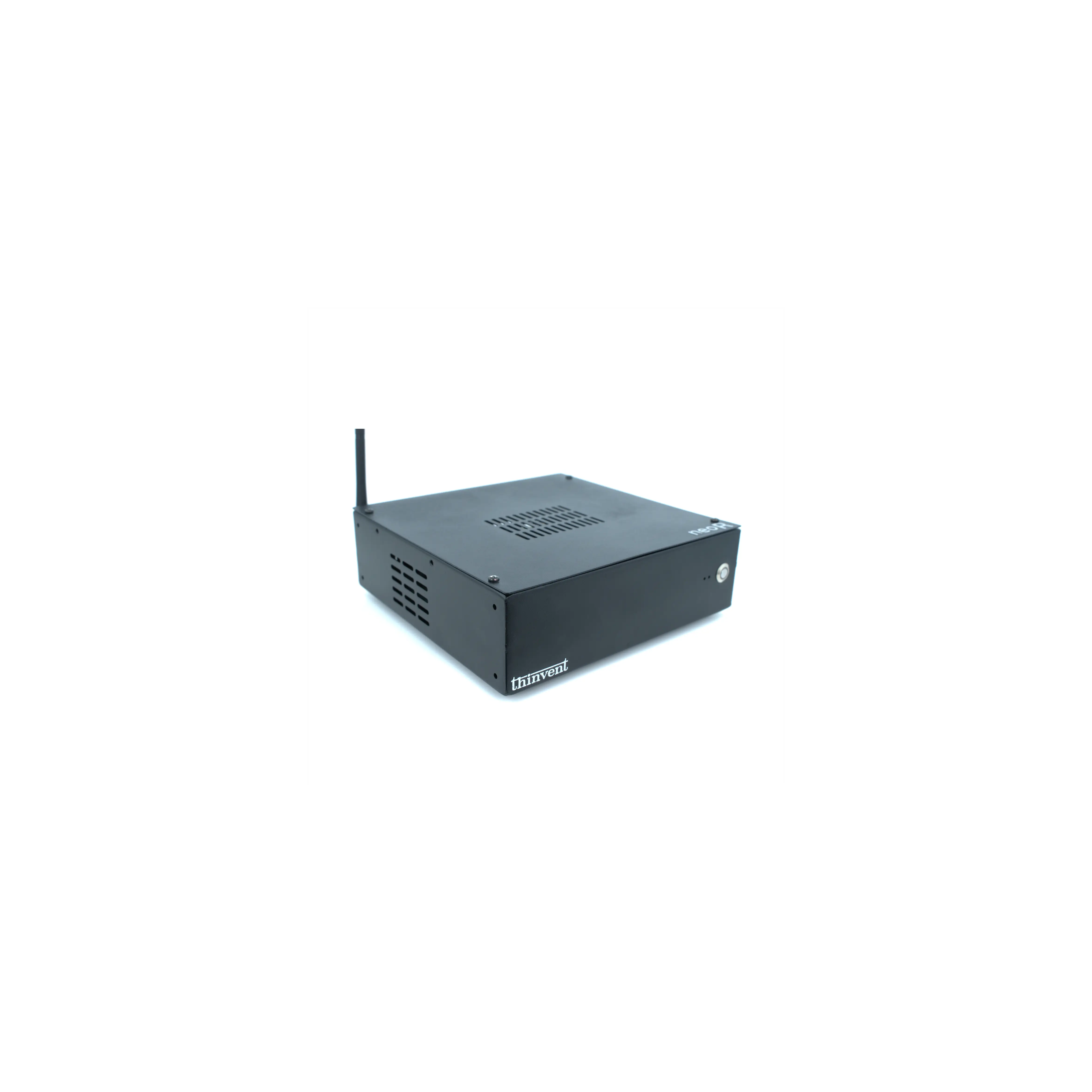
A mini cloud server is a compact, low-power computing device designed to host applications, services, or data in a localized or edge computing environment. Unlike traditional bulky servers, these units are small-form-factor, often fanless systems that provide reliable, silent, and energy-efficient operation. They are ideal for businesses looking to deploy private cloud infrastructure, host lightweight applications, or manage network services without the complexity and cost of a full-scale data center setup.
Key Specifications and Technical Details
These servers prioritize efficiency and reliability. Core specifications vary by model but generally include:
-
Processors: Ranging from power-efficient ARM Cortex cores (A53, A55) for basic tasks to Intel processors (N100, Core i3/i5) for more demanding workloads.
-
Memory: Typically from 2GB to 16GB of RAM, with higher-end models supporting more concurrent tasks.
-
Storage: Utilizes eMMC or SSD storage from 16GB to 512GB, offering fast boot times and adequate space for the OS and applications.
-
Cooling: A defining feature is fanless cooling, which uses passive heatsinks to dissipate heat. This eliminates moving parts, reducing points of failure, enabling silent operation, and preventing dust ingress.
-
Connectivity: Standard features include HDMI output, USB ports, and often dual-band Wi-Fi or Ethernet for network connectivity.
-
Power: Low-voltage DC power adapters (e.g., 5V/12V) ensure minimal energy consumption.
Ideal Use Cases and Applications
The compact and robust nature of fanless mini cloud servers makes them perfect for a variety of business scenarios:
-
Edge Computing & IoT Gateways: Processing data locally from sensors and IoT devices before sending it to the cloud.
-
Lightweight Application Hosting: Running web servers, database servers (like MySQL/PostgreSQL), file servers, or Docker containers for development and testing.
-
Digital Signage & Kiosk Management: Centralized control of media playback across multiple displays in retail or hospitality.
-
Network Services: Acting as a firewall, VPN server, or network-attached storage (NAS) for small offices.
-
Remote Desktop & Virtualization Clients: Hosting or connecting to virtual desktop infrastructure (VDI).
Comparison of Typical Configurations
| Feature | Entry-Level (ARM) | Mid-Range (Intel N-Series) | Performance (Intel Core) |
|---|---|---|---|
| Best For | Lightweight web services, IoT gateways, digital signage | Light application hosting, network services, edge computing | Demanding applications, virtualization, database hosting |
| Processor | ARM Cortex (4 cores, up to ~2.0 GHz) | Intel Processor N100 (4 cores, up to 3.4 GHz) | Intel Core i3/i5 (6-12 cores, up to 5.0 GHz) |
| Typical RAM | 2GB - 4GB | 4GB - 8GB | 8GB - 16GB+ |
| Typical Storage | 16GB - 64GB eMMC | 128GB SSD | 256GB - 512GB+ SSD |
| Power Profile | Very Low (5V) | Low (12V) | Moderate (12V) |
| OS Options | Embedded Linux (Thinux) | Linux, Windows IoT | Windows Pro, Linux |
Thinvent's Range of Fanless Mini Cloud Servers
Thinvent offers a comprehensive portfolio of compact, fanless systems designed to serve as reliable mini cloud servers. Our product line scales to meet diverse business needs. For foundational tasks like digital signage or simple hosting, the Micro series with ARM processors provides exceptional energy efficiency. The Treo and IPC1/3 series, powered by the Intel N100 and Core i3 processors, deliver a balanced boost in performance for mid-weight applications and network services. For the most demanding edge computing workloads, application hosting, and virtualization, the Aero and IPC5 series feature Intel Core i5 processors with higher core counts, faster clock speeds, and greater memory capacity. All Thinvent mini PCs are built for 24/7 reliability with fanless, silent operation and support for various operating systems, including Thinux™ Embedded Linux, Ubuntu, and Windows, providing a versatile foundation for your business's cloud and edge infrastructure.