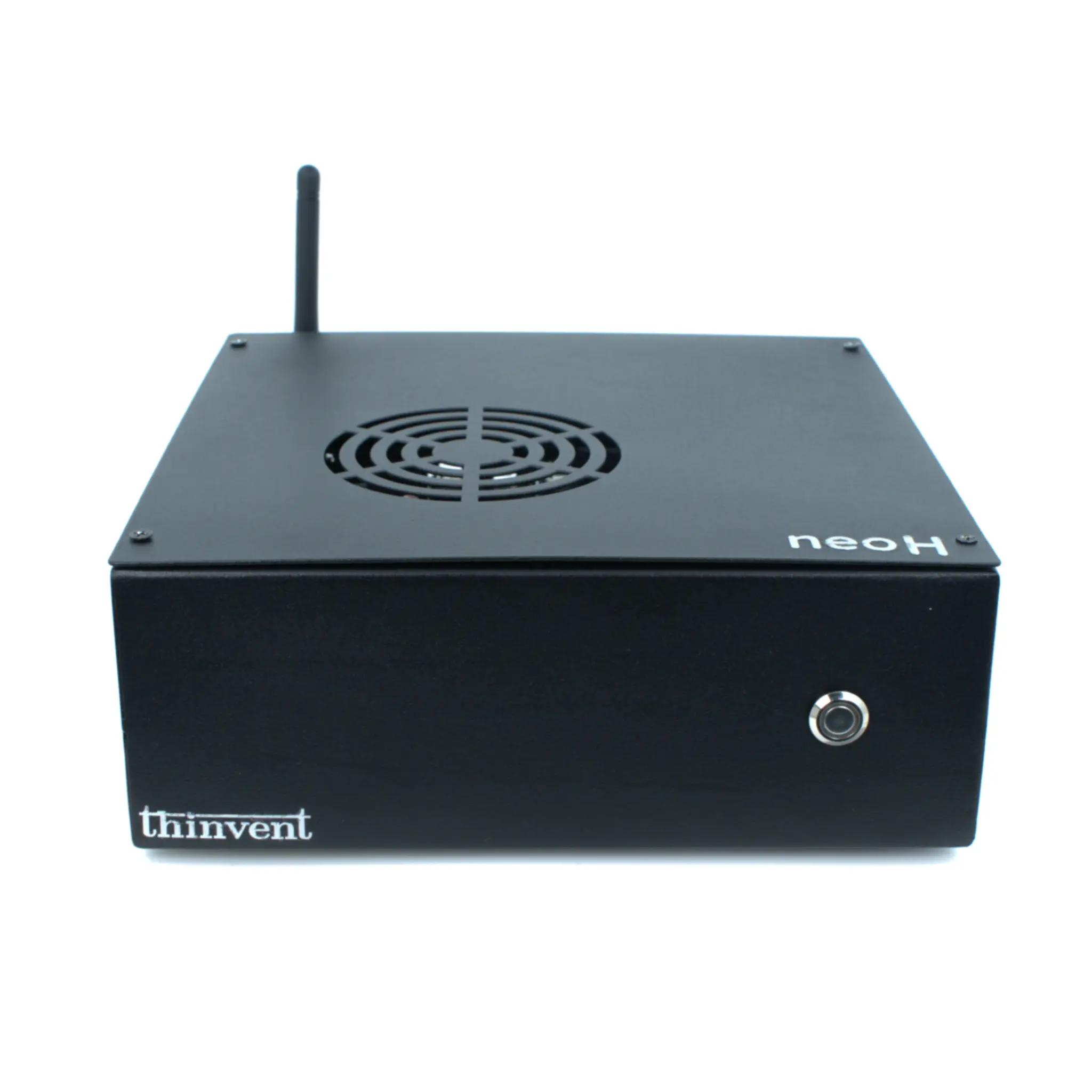
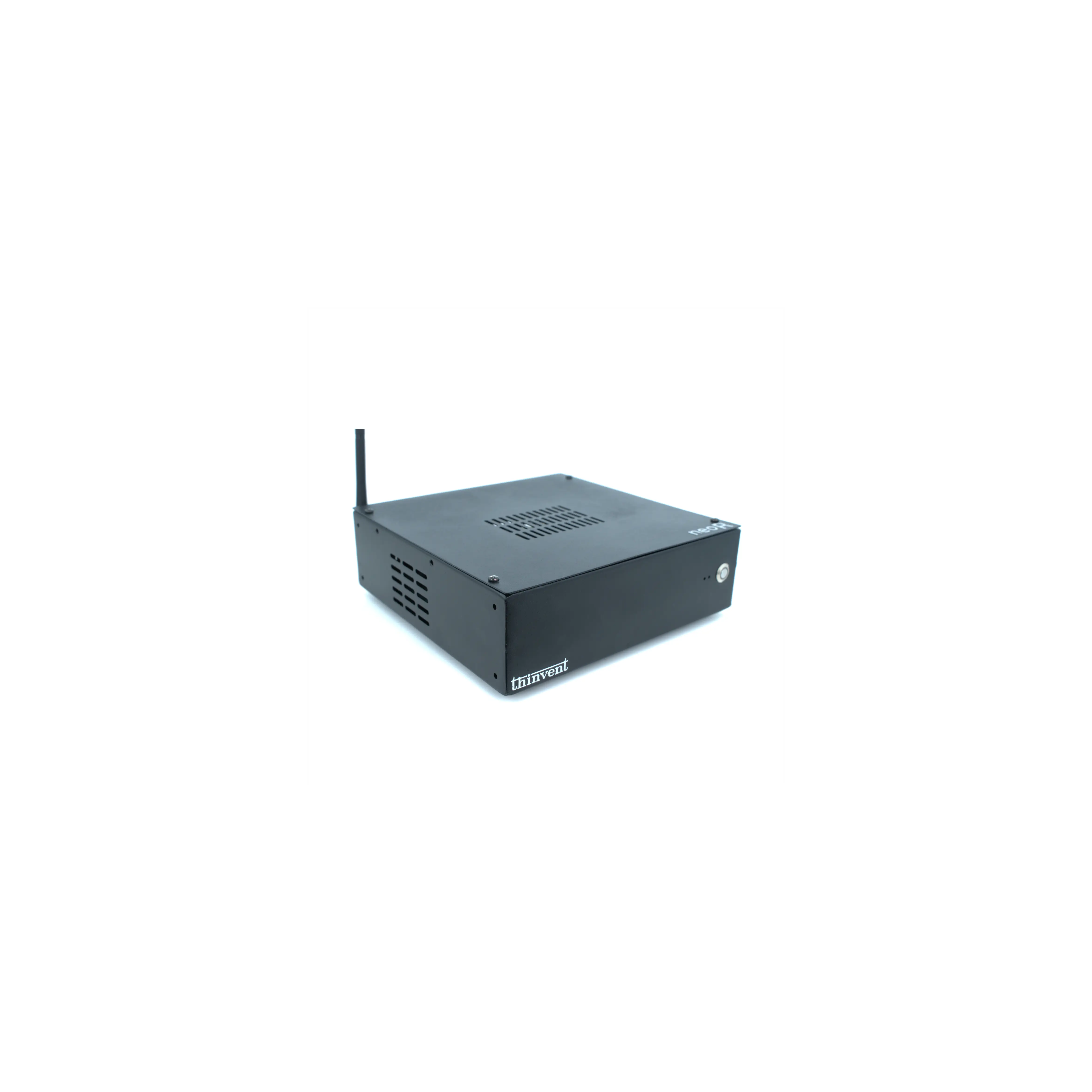
What Are Compact Mini PCs?
Compact Mini PCs, often referred to as "mini CPU cabinets," are small-form-factor computers designed to deliver full computing power in a space-saving footprint. They are ideal for environments where space is at a premium, such as digital signage, point-of-sale systems, industrial control panels, and modern office workstations. These systems typically feature fanless or low-noise cooling, robust construction, and a variety of I/O ports to connect to peripherals and displays, making them a versatile and reliable solution for business and industrial applications.
Key Specifications and Technical Details
Modern compact Mini PCs are built with a range of processors to suit different performance needs. For basic tasks like digital signage, thin client computing, and kiosks, energy-efficient ARM processors or Intel's N-series (e.g., N100) are common. For more demanding business and industrial workloads—such as data processing, CAD, or machine vision—systems feature Intel Core i3, i5, or i7 processors from the 12th to 14th generations. Key specifications to consider include:
-
Processor: Ranges from ARM Cortex cores to Intel Core i5-1240P (12 cores) or Core 5 120U (10 cores).
-
Memory (RAM): Typically from 4GB to 16GB or more for multitasking.
-
Storage: Options include eMMC (16GB-64GB) for lightweight OS or SSDs (128GB-512GB+) for faster performance and data storage.
-
Connectivity: Multiple USB ports (including USB 3.2), HDMI outputs, and Gigabit Ethernet ports are standard.
-
Operating System: Options include Windows 11 Pro/IoT, Ubuntu Linux, or embedded Linux distributions like Thinux™.
Use Cases and Applications
The compact size and rugged design of these PCs make them suitable for a wide array of applications:
-
Business & Office: As a space-saving desktop for general office work, video conferencing, and running business applications.
-
Industrial Automation: For controlling machinery, HMIs (Human-Machine Interfaces), and data acquisition systems on the factory floor.
-
Digital Signage & Kiosks: Powering interactive displays and information terminals in retail, hospitality, and public spaces.
-
Thin Client & VDI: Serving as a secure endpoint for accessing virtual desktops and cloud applications.
-
Edge Computing: Processing data locally in IoT networks for retail analytics, smart cities, and transportation systems.
Comparison of Common Mini PC Configurations
| Use Case | Recommended Processor | Typical RAM | Typical Storage | Ideal For |
|---|---|---|---|---|
| Basic Digital Signage / Thin Client | ARM Cortex A55 / Intel N100 | 2GB - 4GB | 16GB eMMC - 128GB SSD | Low-power, always-on displays |
| General Office & Business | Intel Core i3-1215U | 8GB | 256GB SSD | Multitasking, productivity software |
| Advanced Business & Light Industrial | Intel Core i5-1240P / Core 5 120U | 16GB | 512GB SSD | Data analysis, CAD, multi-monitor setups |
| Rugged Industrial Control | Intel N100 / i3/i5 Series | 4GB - 16GB | 128GB - 512GB SSD | Harsh environments, 24/7 operation |
Thinvent's Range of Compact Mini PCs
Thinvent offers a comprehensive portfolio of compact Mini PCs engineered for business and industrial reliability. Our product lines cater to every need:
-
Thinvent Micro Series: Ultra-compact and power-efficient devices powered by ARM processors, perfect for thin client and lightweight embedded applications.
-
Thinvent Treo & Aero Series: Versatile Mini PCs featuring Intel N-series and Core processors, balancing performance and size for office and commercial use.
-
Thinvent Industrial PC (IPC) Series: Rugged systems built with industrial-grade components for demanding environments, featuring powerful Intel Core i3, i5, and i7 processors. All Thinvent systems are designed with fanless or efficient cooling, multiple connectivity options, and support for various operating systems to provide a dependable computing foundation for your specific application.