What Are Mini Laptops?
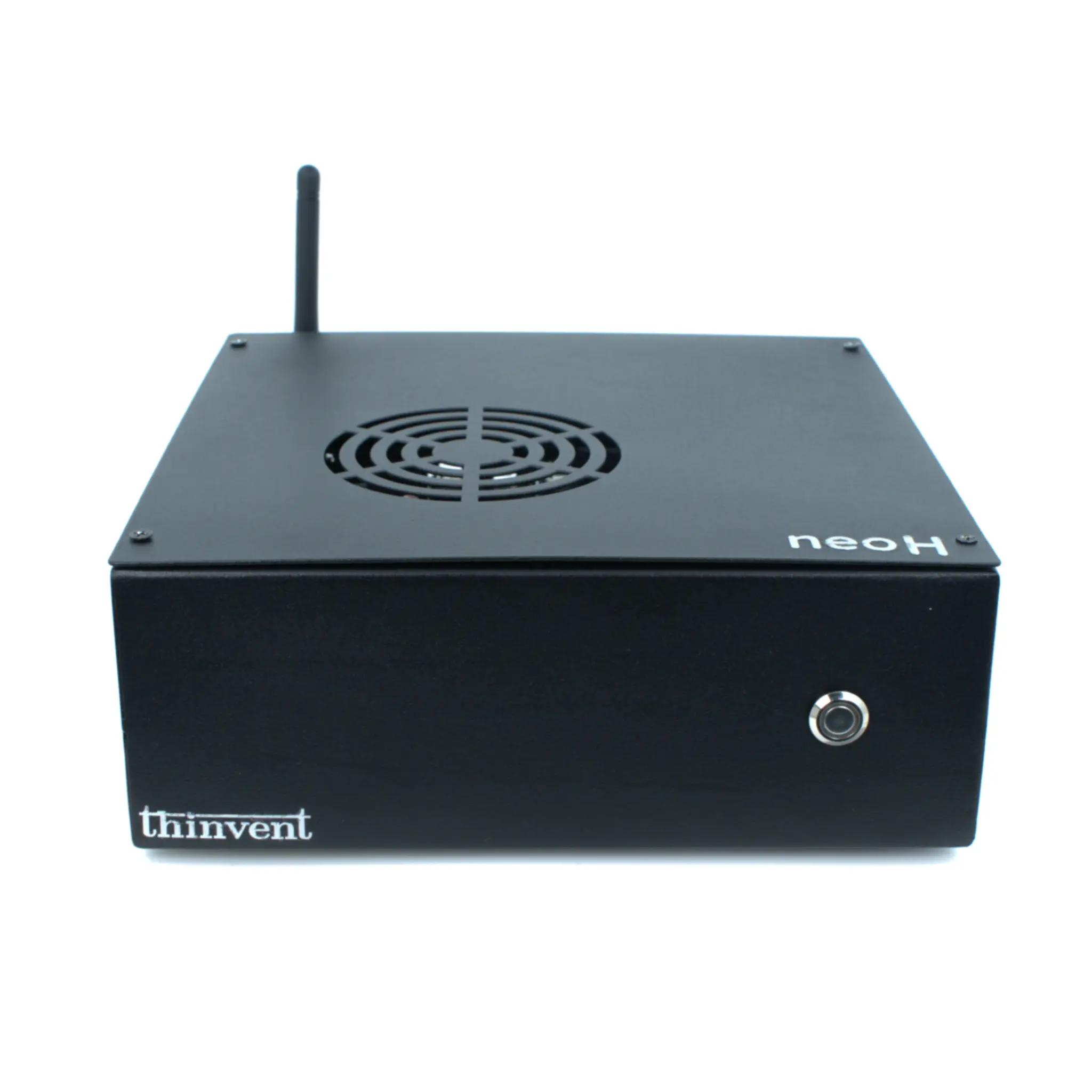
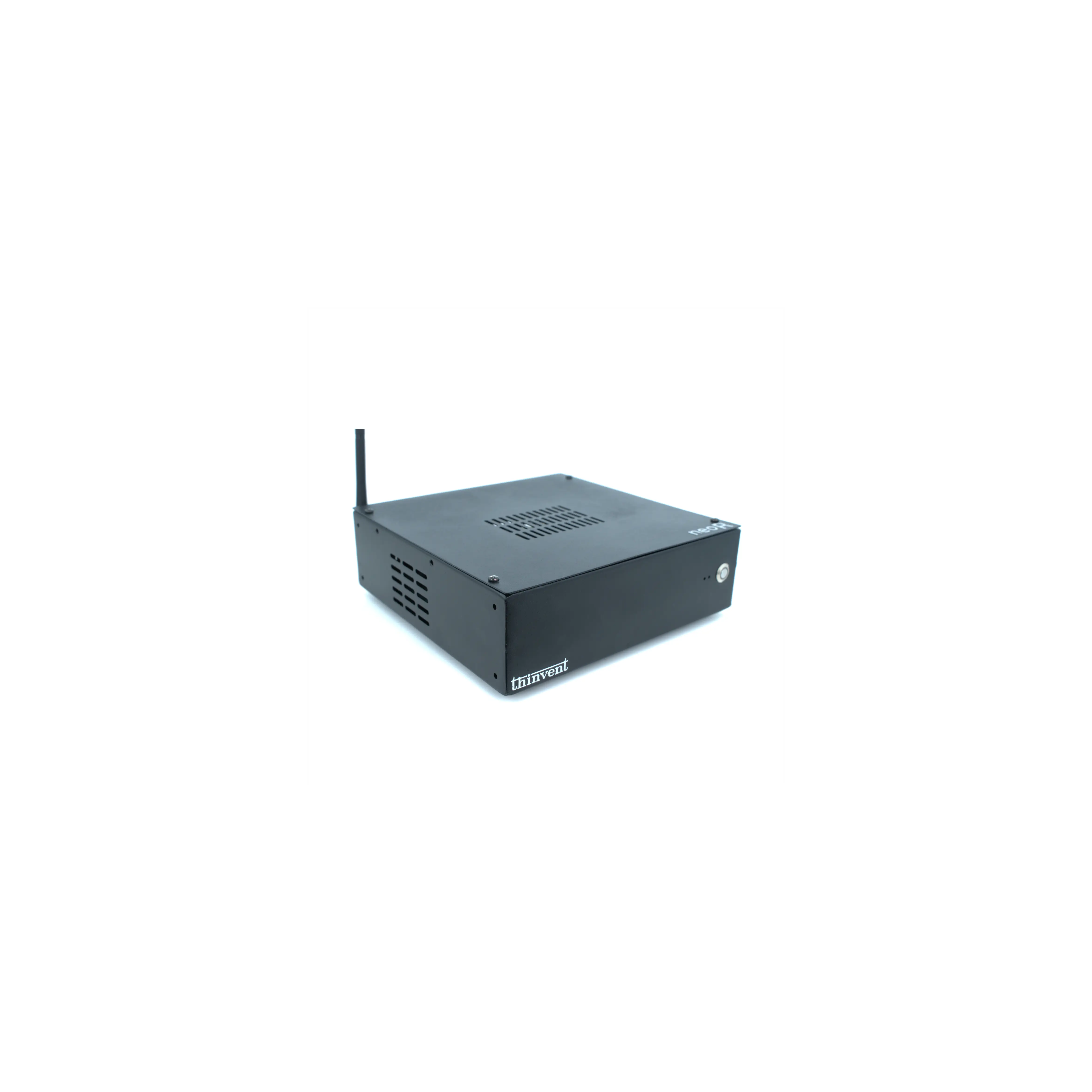
The term "mini laptop" typically refers to compact, portable computing devices. While traditional laptops integrate a screen, keyboard, and battery into a single clamshell unit, the modern market for ultra-portable computing is increasingly served by powerful Mini PCs. These compact desktop computers offer laptop-grade performance in a tiny, fanless form factor. When paired with a portable monitor, keyboard, and mouse, they create a highly versatile and portable workstation that can rival or exceed the capabilities of many small laptops, especially for business and industrial applications.
Key Specifications and Technical Details
Modern compact computing solutions prioritize efficiency, reliability, and silent operation. Key specifications to consider include:
-
Form Factor: Ultra-compact designs, often smaller than a paperback book, enable placement anywhere.
-
Processor: Energy-efficient Intel processors like the N-series (e.g., Intel N100) provide ample power for everyday tasks, multimedia, and light business applications while maintaining low heat output.
-
Cooling: Fanless, solid-state designs are standard, ensuring silent operation and high reliability by eliminating moving parts that can fail due to dust or wear.
-
Memory & Storage: Configurations typically range from 8GB to 16GB of RAM and 128GB to 512GB of SSD storage, offering fast boot times and responsive multitasking.
-
Connectivity: Multiple USB ports (including USB-C), HDMI outputs for dual displays, and Gigabit Ethernet provide extensive connectivity for peripherals and networks.
Ideal Use Cases and Applications
These compact systems are perfect for scenarios where space, noise, or reliability are critical:
-
Digital Signage & Kiosks: Powering displays in retail, hospitality, and public spaces.
-
Office Workstations: Creating a clutter-free desk setup for general office productivity, video conferencing, and web browsing.
-
Home Entertainment Centers: Serving as a silent HTPC (Home Theater PC) for streaming media.
-
Light Industrial & Embedded Applications: Operating reliably in environments where traditional laptops may be less durable.
Comparison: Mini PC vs. Traditional Mini Laptop
| Feature | Compact Mini PC | Traditional Mini Laptop |
|---|---|---|
| Portability | Core unit is highly portable; requires external display/keyboard/mouse for full function. | All-in-one portable solution with integrated screen, keyboard, and battery. |
| Performance | Often uses more powerful, desktop-class components with better cooling. | Performance is constrained by thermal design and power limits of a battery. |
| Upgradability | RAM and storage are often user-upgradable. | Typically sealed units with limited or no upgrade options. |
| Durability | Fanless, solid-state construction offers high reliability for 24/7 operation. | Contains moving parts (fans, hinges) and a battery that degrades over time. |
| Display Flexibility | Can drive any monitor or TV, allowing for a large-screen experience. | Limited to its built-in screen size. |
Thinvent Compact Computing Solutions
Thinvent specializes in industrial-grade compact computing devices that align with the "mini laptop" demand for portable, capable systems. Our product range focuses on robust, fanless Mini PCs designed for continuous operation in diverse environments. For users seeking a portable computing core, our Aero series Mini PCs, featuring efficient Intel processors, offer a perfect balance of performance, silent operation, and connectivity. These systems provide a reliable and versatile foundation for creating a custom portable or fixed workstation, digital signage player, or embedded controller, backed by the durability required for commercial and industrial use.