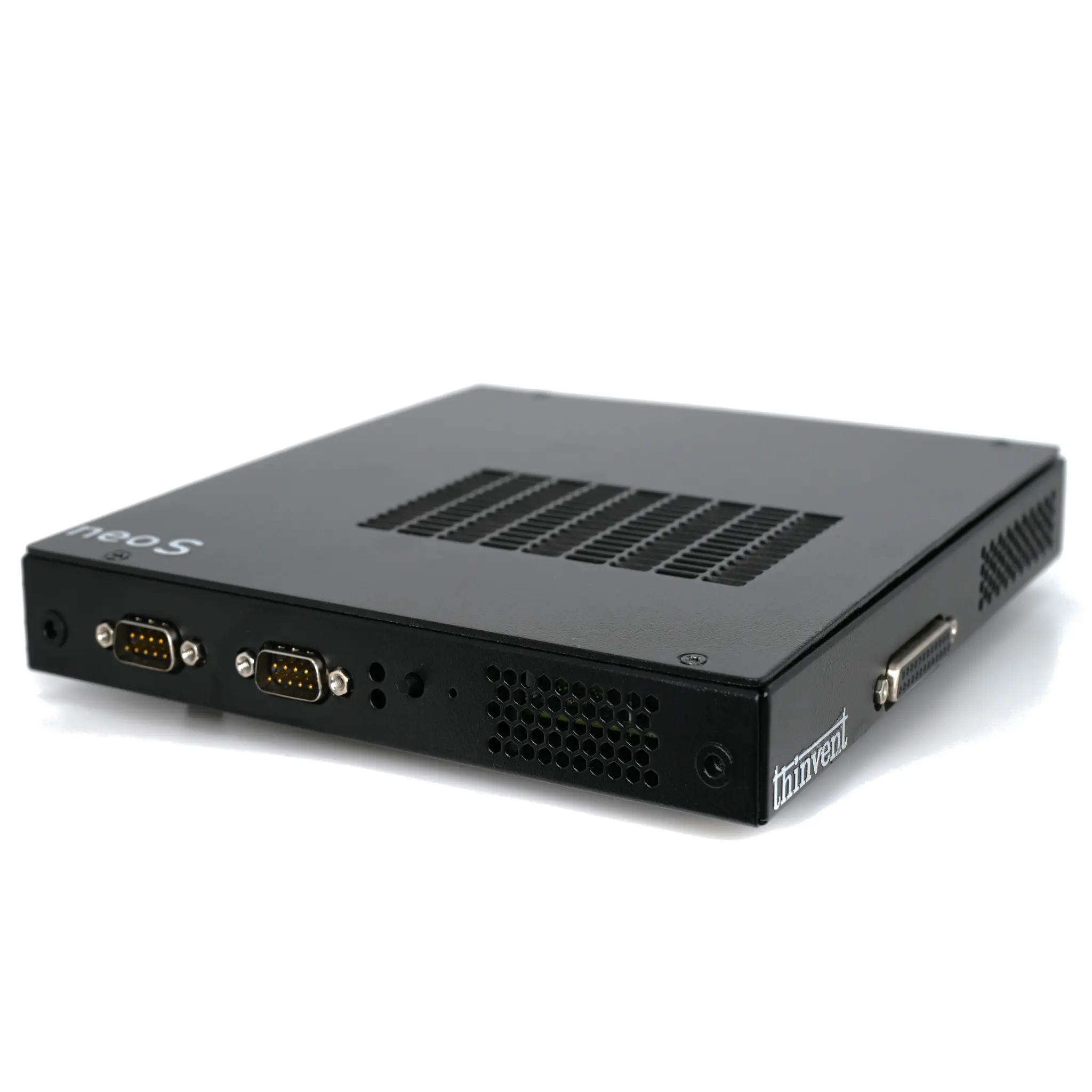
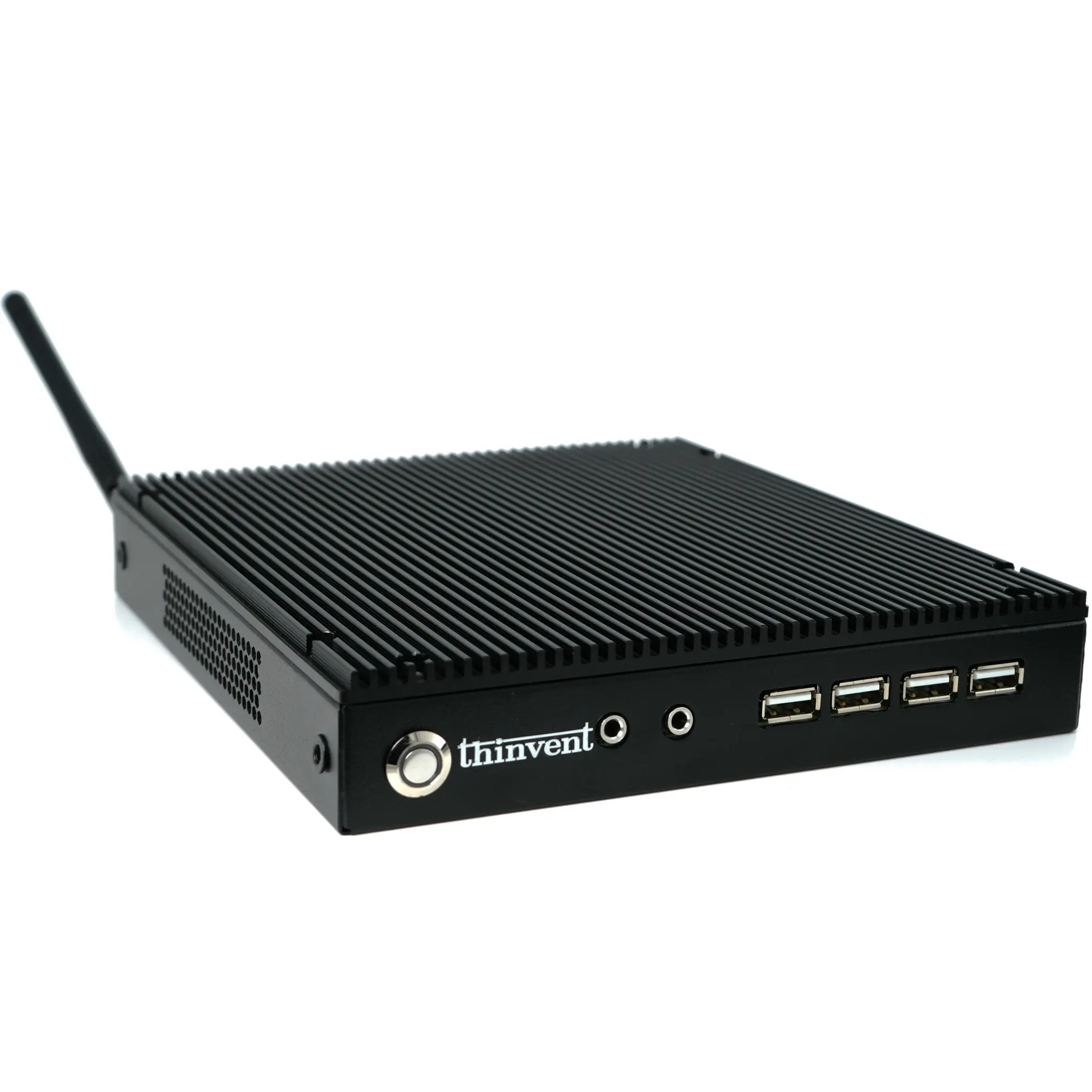
What Are Mini PCs for Space-Efficient Computing?
Mini PCs, also known as compact or small form factor computers, are designed to deliver full desktop computing capabilities in a fraction of the space required by traditional towers. These "mini rechner" (German for mini computers) typically measure just a few inches on each side, making them ideal for environments where desk space is at a premium, such as offices, retail counters, digital signage installations, and home entertainment centers. Despite their diminutive size, modern mini PCs pack impressive processing power, often featuring energy-efficient Intel or ARM processors that balance performance with low heat output and minimal power consumption.
Key Specifications and Technical Details
When evaluating compact mini PCs for space-efficient computing, several specifications determine their suitability for different tasks:
-
Processor Options: Entry-level models often use Intel N-series processors (like N100) with 4 cores and up to 3.4 GHz, suitable for basic office work, web browsing, and media playback. Mid-range options include Intel Core i3 (e.g., i3-1215U with 6 cores) for more demanding multitasking, while high-end configurations feature Core i5 (e.g., i5-1240P with 12 cores) for intensive applications like data analysis or light content creation. ARM-based processors (Cortex A53/A55) offer ultra-low power consumption for embedded and IoT applications.
-
Memory and Storage: RAM configurations range from 2GB to 32GB, with 4GB-8GB being standard for general use and 16GB+ for multitasking. Storage options include eMMC (16GB-64GB) for basic systems or SSDs (128GB-512GB) for faster boot times and application loading.
-
Connectivity: Most mini PCs include HDMI output, multiple USB ports, Ethernet, and WiFi capabilities. Some models offer dual-band WiFi for reliable wireless connectivity.
-
Operating Systems: Options include Windows 11 Pro, Ubuntu Linux, Thinux Embedded Linux, or without OS for custom deployments.
Use Cases and Applications
Compact mini PCs excel in various space-constrained environments:
| Use Case | Recommended Specs | Benefits |
|---|---|---|
| Office Productivity | Intel N100, 4-8GB RAM, 128GB SSD | Handles email, documents, web apps quietly |
| Digital Signage | ARM Cortex A55, 4GB RAM, 64GB eMMC | Low power, fanless operation, 24/7 reliability |
| Industrial Control | Intel i3/i5, 8-16GB RAM, 256-512GB SSD | Robust performance for monitoring and HMI |
| Home Entertainment | Intel N100 or i3, 4-8GB RAM, 256GB SSD | Compact media center for streaming and light gaming |
| Thin Client/Virtual Desktop | ARM or Intel N100, 2-4GB RAM, 16-64GB storage | Secure, manageable endpoints for VDI environments |
Comparison: ARM vs Intel Mini PCs
| Feature | ARM-Based (Cortex A53/A55) | Intel-Based (N100/i3/i5) |
|---|---|---|
| Power Consumption | Ultra-low (5V 2A adapter) | Low to moderate (12V 5-7A) |
| Performance | Basic tasks, IoT, embedded | General computing to productivity |
| Operating System | Linux (Thinux Embedded) | Windows, Linux, FreeDOS |
| Best For | Digital signage, kiosks, IoT | Office work, industrial, home use |
| Fanless Operation | Yes (typically) | Some models |
Thinvent's Range of Compact Mini PCs
Thinvent offers a comprehensive lineup of compact mini PCs tailored for space-efficient computing. The Treo and Aero series provide Intel-based solutions ranging from the economical N100 processor to the powerful Core i5 for demanding workloads. For ultra-low-power applications, the Micro series features ARM Cortex processors with Thinux Embedded Linux, ideal for digital signage and IoT gateways. Industrial-grade options like the IPC series deliver ruggedized performance for factory and automation environments. All Thinvent mini PCs are engineered with space-saving form factors, passive cooling options, and flexible mounting capabilities to fit seamlessly into any workspace or installation.