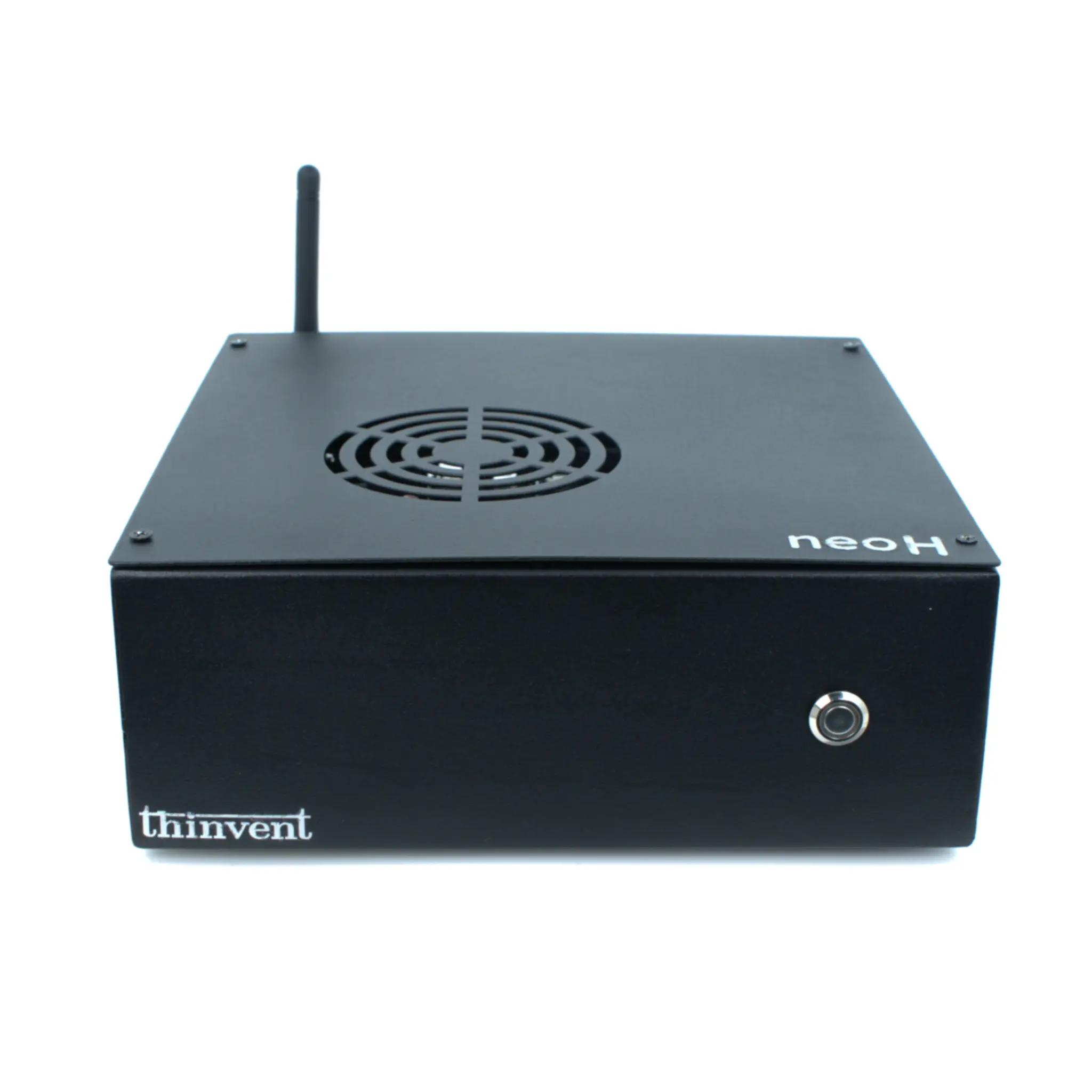
What Are Mini PCs?
Mini PCs are compact, space-saving desktop computers that deliver full computing functionality in a significantly smaller form factor than traditional towers. They are designed for efficiency, low power consumption, and quiet, fanless operation, making them ideal for environments where space, noise, and reliability are critical. These systems typically integrate the processor, memory, storage, and essential I/O ports into a single, small chassis, often using mobile or low-power components to minimize heat generation.
Key Specifications and Technical Details
Modern mini PCs are powered by efficient processors like Intel's N-series (e.g., N100, N95) or higher-performance Core i-series chips. Key specifications to consider include:
-
Processor: Low-power Intel processors (e.g., 4-core Intel N100) offer a balance of performance and energy efficiency.
-
Memory (RAM): Configurations typically range from 8GB to 16GB of DDR4 RAM, suitable for multitasking and business applications.
-
Storage: Solid State Drives (SSDs) from 128GB to 512GB provide fast boot times and responsive application loading.
-
Connectivity: Standard features include Gigabit Ethernet, multiple USB ports (including USB 3.2 and Type-C), HDMI/DisplayPort for dual monitor support, and optional Wi-Fi.
-
Design: A fanless, sealed design is common for industrial use, ensuring silent operation, dust resistance, and high reliability in harsh conditions.
Use Cases and Applications
The compact and robust nature of mini PCs makes them versatile for numerous applications:
-
Digital Signage & Kiosks: Powering displays in retail, hospitality, and public information points.
-
Office Productivity: As space-efficient desktops for general office work, web browsing, and communication suites.
-
Industrial Automation: Deployed in manufacturing environments for machine control, HMI (Human-Machine Interface), and data acquisition.
-
Thin Client & VDI: Acting as endpoints for virtual desktop infrastructure, centralizing management and security.
-
Edge Computing: Processing data locally in IoT networks, retail POS systems, or transportation.
Comparison: Mini PC vs. Traditional Desktop
| Feature | Mini PC | Traditional Desktop Tower |
|---|---|---|
| Size/Footprint | Extremely compact (often palm-sized) | Large, requires significant desk/floor space |
| Power Consumption | Very low (often 10W-30W) | Moderate to High (65W+ for CPU alone) |
| Noise Level | Typically silent (fanless) or very quiet | Can be noisy under load due to cooling fans |
| Upgradeability | Limited; often RAM and storage only | Highly upgradeable (GPU, RAM, storage, etc.) |
| Ideal For | Space-constrained, fixed-function, & industrial apps | High-performance gaming, workstations, heavy upgrades |
Thinvent Mini PC Solutions
Thinvent offers a range of industrial-grade mini PCs designed for reliability and continuous operation. Our Aero Mini PC series, for example, features the efficient Intel N100 processor in a robust, fanless chassis. These systems are built to withstand demanding environments and come with flexible configuration options, including choice of operating system (Windows 11, Linux variants, or DOS), memory, and storage. Ideal for business, digital signage, and embedded applications, Thinvent mini PCs provide a dependable computing foundation with global support.