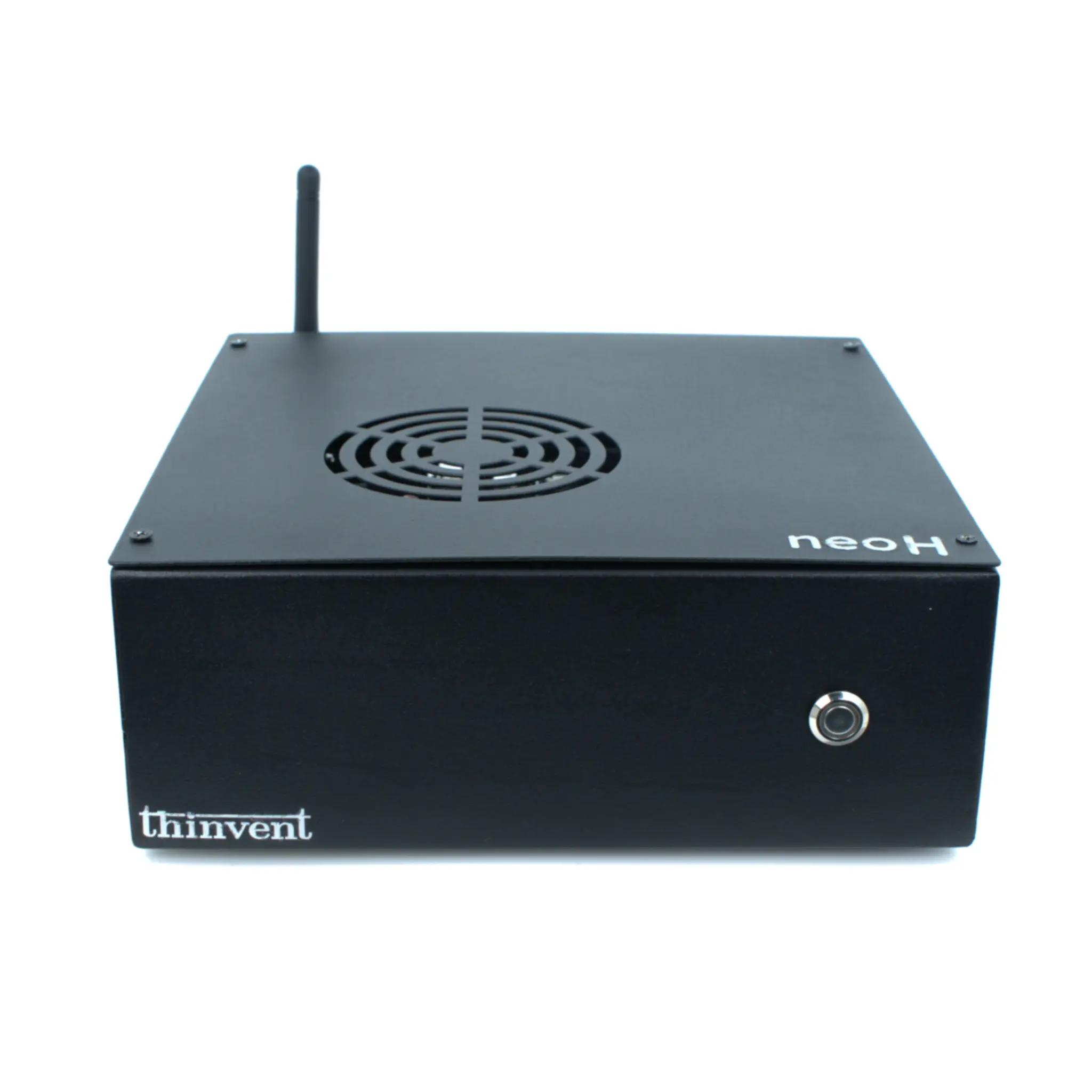
What is a Multiprocessor Computer?
A multiprocessor computer is a system that contains two or more central processing units (CPUs) or processor cores within a single computer chassis. This architecture allows the system to execute multiple tasks or threads simultaneously, significantly enhancing computational power, throughput, and reliability. In modern industrial computing, this is most commonly achieved through multi-core processors, where a single physical CPU contains multiple independent processing cores. These systems are engineered for demanding applications where parallel processing, high availability, and efficient multitasking are critical.
Key Specifications and Technical Details
Modern multiprocessor industrial computers are defined by their core architecture and supporting hardware. Key specifications include:
-
Processor Cores: The fundamental unit of parallel processing. Systems range from quad-core (4) to high-core-count processors (e.g., 12, 14 cores or more).
-
Processor Generation: Newer generations (e.g., 12th, 13th, 14th Gen Intel®) offer improved performance per core, better power efficiency, and enhanced integrated graphics.
-
Main Memory (RAM): Crucial for handling multiple applications. Configurations typically start at 8GB, with 16GB, 32GB, and 64GB options for data-intensive workloads.
-
Storage: Fast Solid State Drives (SSDs) with capacities from 128GB to 1TB or more ensure quick data access and system responsiveness.
-
Form Factor: These systems come in various robust enclosures, including fanless Mini PCs for silent, dust-resistant operation, Thin Clients for virtualized environments, and All-in-One panels for integrated display solutions.
Applications and Use Cases
Multiprocessor computers are indispensable in environments requiring robust, continuous operation and complex computations.
-
Industrial Automation & Control: Running real-time monitoring software, PLCs, and SCADA systems simultaneously.
-
Digital Signage & Kiosks: Powering multiple high-resolution displays and media streams from a single unit.
-
Edge Computing & IoT Gateways: Processing and analyzing data from numerous sensors at the network edge before transmitting.
-
Network Appliances: Functioning as firewalls, routers, or network-attached storage (NAS) devices handling high traffic.
-
Medical Imaging & Diagnostics: Processing large datasets from MRI or CT scanners efficiently.
Comparison of Common Processor Configurations
| Feature | Entry-Level (e.g., Intel N-Series) | Mid-Range (e.g., Intel Core i3/i5) | High-Performance (e.g., Intel Core i7/i9) |
|---|---|---|---|
| Typical Cores | 4 Cores | 6-10 Cores | 12+ Cores (P-cores + E-cores) |
| Use Case | Digital Signage, Thin Clients, Basic Gateways | Industrial PCs, Automation, Multi-display Kiosks | Data-Intensive Edge Computing, AI Inference, Server-grade Tasks |
| Power Profile | Very Low, Often Fanless | Balanced Performance & Efficiency | High Performance, May Require Active Cooling |
| Ideal For | Cost-sensitive, space-constrained, always-on applications | General-purpose industrial computing with good multitasking | Demanding computational workloads and future-proofing |
Thinvent Multiprocessor Computing Solutions
Thinvent offers a comprehensive range of industrial-grade multiprocessor computers designed for reliability in harsh environments. Our portfolio includes fanless Mini PCs powered by efficient Intel processors, robust All-in-One panels with integrated touchscreens, and versatile Thin Clients. Built with quality components and featuring wide operating temperature ranges, these systems provide the parallel processing power needed for critical industrial, commercial, and embedded applications worldwide. Explore our selection to find the perfect balance of core count, performance, and form factor for your project.