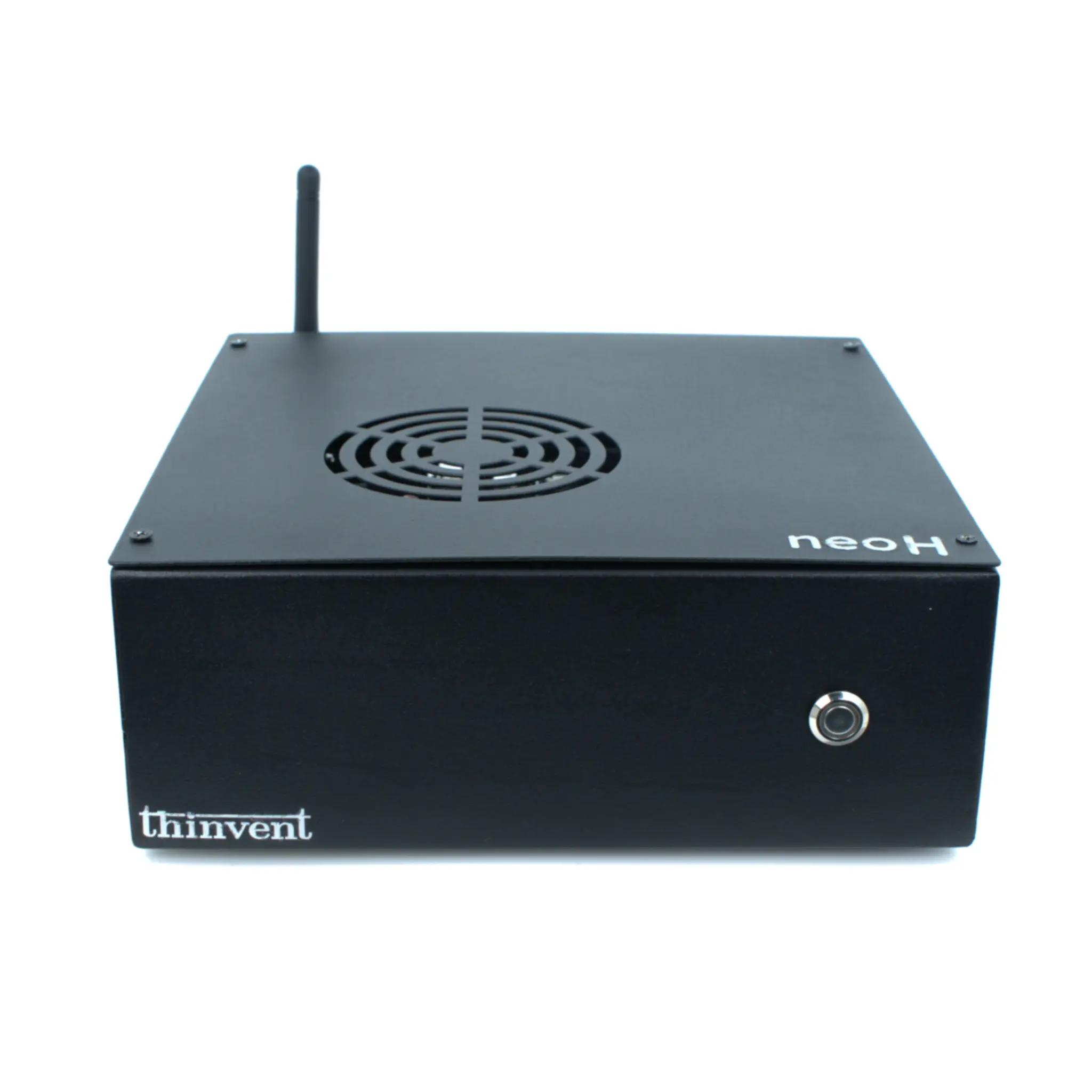
What is a NAS Box?
A Network Attached Storage (NAS) box is a dedicated file storage device connected to a network, allowing multiple users and client devices to access data from a centralized location. For a business or home office, a NAS provides a private cloud for backup, media streaming, file sharing, and remote access. While many off-the-shelf NAS appliances exist, a modern, compact industrial computer offers superior flexibility, performance, and reliability for building a custom NAS solution.
Key Specifications for a NAS Computer
When selecting a computer to act as a NAS, several technical aspects are critical. Reliable, always-on operation is paramount, making fanless, solid-state designs ideal to eliminate dust intake and mechanical failure points. Multiple high-speed Ethernet ports (ideally 2.5GbE or higher) are essential for handling simultaneous data streams. Adequate processing power from a modern, efficient CPU (like Intel's N-series) ensures smooth data encryption, transcoding, and running NAS software. Expandable storage via multiple SATA or M.2 slots, combined with sufficient RAM (8GB minimum, 16GB+ recommended), allows the system to handle caching and multiple services without bottlenecking.
Use Cases and Applications
A computer-based NAS is versatile. For small businesses, it serves as a central file server, backup target for workstations, and a host for business applications like CRM or accounting software. Creative professionals use it for collaborative video editing projects, storing large media libraries accessible to multiple editors. In home automation and surveillance, it acts as a central hub for security camera footage (Network Video Recorder - NVR) and smart home data. Its low power consumption and silent operation make it perfect for 24/7 home media servers running software like Plex or Jellyfin.
Thinvent Products for Your NAS Solution
Thinvent's range of industrial mini PCs are engineered to excel as powerful, reliable NAS boxes. Our fanless designs ensure silent, maintenance-free operation in demanding environments. Models feature the latest Intel processors, dual Gigabit or 2.5GbE LAN ports, and support for multiple internal storage drives. They come with a choice of operating systems, including Windows for direct management or Linux/FreeDOS for lightweight, dedicated NAS software installations like TrueNAS, OpenMediaVault, or Unraid. This flexibility allows you to build a tailored storage solution that scales with your needs, from a simple home backup server to a robust business-grade NAS.