A home NAS (Network Attached Storage) is a dedicated device for storing and sharing files across your home network. For home use, it typically involves a compact, low-power computer running specialized NAS software like TrueNAS, OpenMediaVault, or Unraid. This setup provides a centralized location for media libraries, document backups, and personal cloud storage, accessible from any device on your network.
Key Specifications for a Home NAS The ideal home NAS computer prioritizes efficiency, connectivity, and storage expansion over raw processing power. Key specifications include:
-
Processor: Modern, low-power Intel or ARM CPUs (e.g., Intel N-series) are perfect, offering ample performance for file serving and running lightweight applications like Plex Media Server.
-
Memory (RAM): 8GB to 16GB is sufficient for most home use, supporting smooth operation of the NAS OS and basic services.
-
Storage: A small internal SSD (128GB or 256GB) is used for the operating system. The primary data storage comes from multiple, larger SATA HDDs or SSDs installed in external enclosures or connected via USB 3.2.
-
Connectivity: Multiple Gigabit Ethernet ports are crucial for link aggregation or segregating network traffic. USB 3.2 Gen 2 and USB-C ports are essential for connecting high-speed external drive enclosures to expand storage capacity.
-
Form Factor: A fanless Mini PC is ideal, offering silent operation, compact size, and low energy consumption for 24/7 uptime.
Applications and Use Cases A home NAS is versatile. It can serve as a media server for streaming movies and music, a centralized backup target for all family devices, a private cloud for remote file access, or even host personal projects like a home automation server or a secure password manager. Its reliability and always-on nature make it superior to using a single external hard drive.
Mini PC vs. Traditional NAS Appliance | Feature | DIY NAS (Mini PC) | Pre-built NAS Appliance | | :--- | :--- | :--- | | Cost | Often more cost-effective, especially for higher capacities. | Can be premium for equivalent hardware. | | Flexibility | High. You choose the OS and can run other applications. | Limited to the vendor's OS and approved apps. | | Performance | Can be tailored with powerful modern CPUs. | Often uses specialized, lower-power hardware. | | Ease of Setup | Requires more technical knowledge. | Designed for plug-and-play simplicity. | | Upgradability | Generally easier to upgrade RAM or storage. | Often limited by vendor design. |
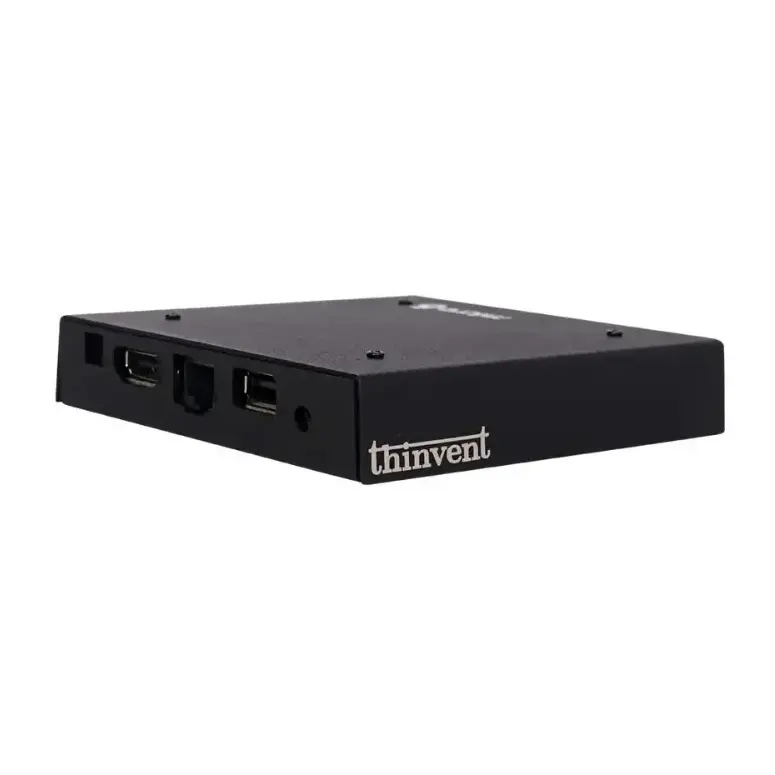
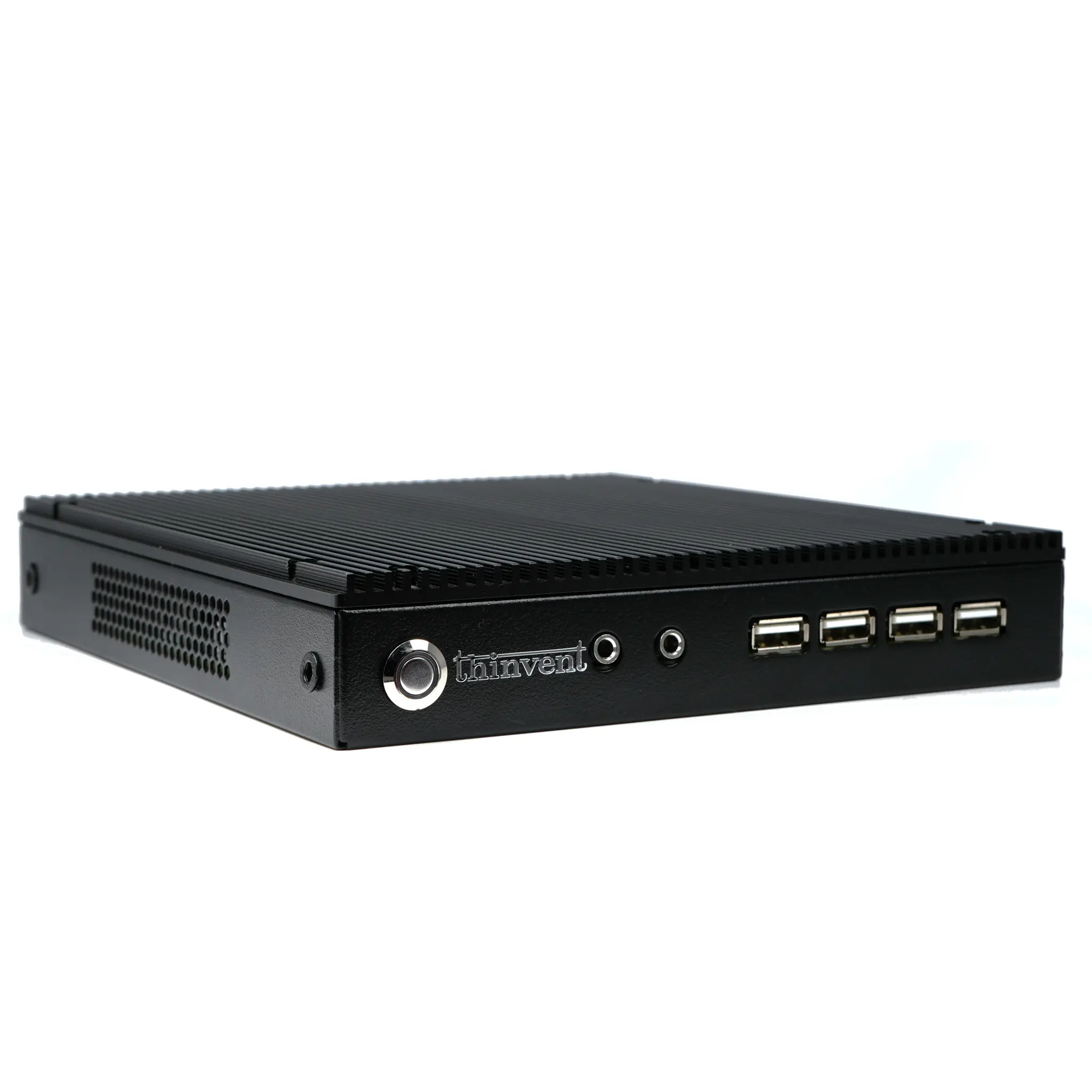
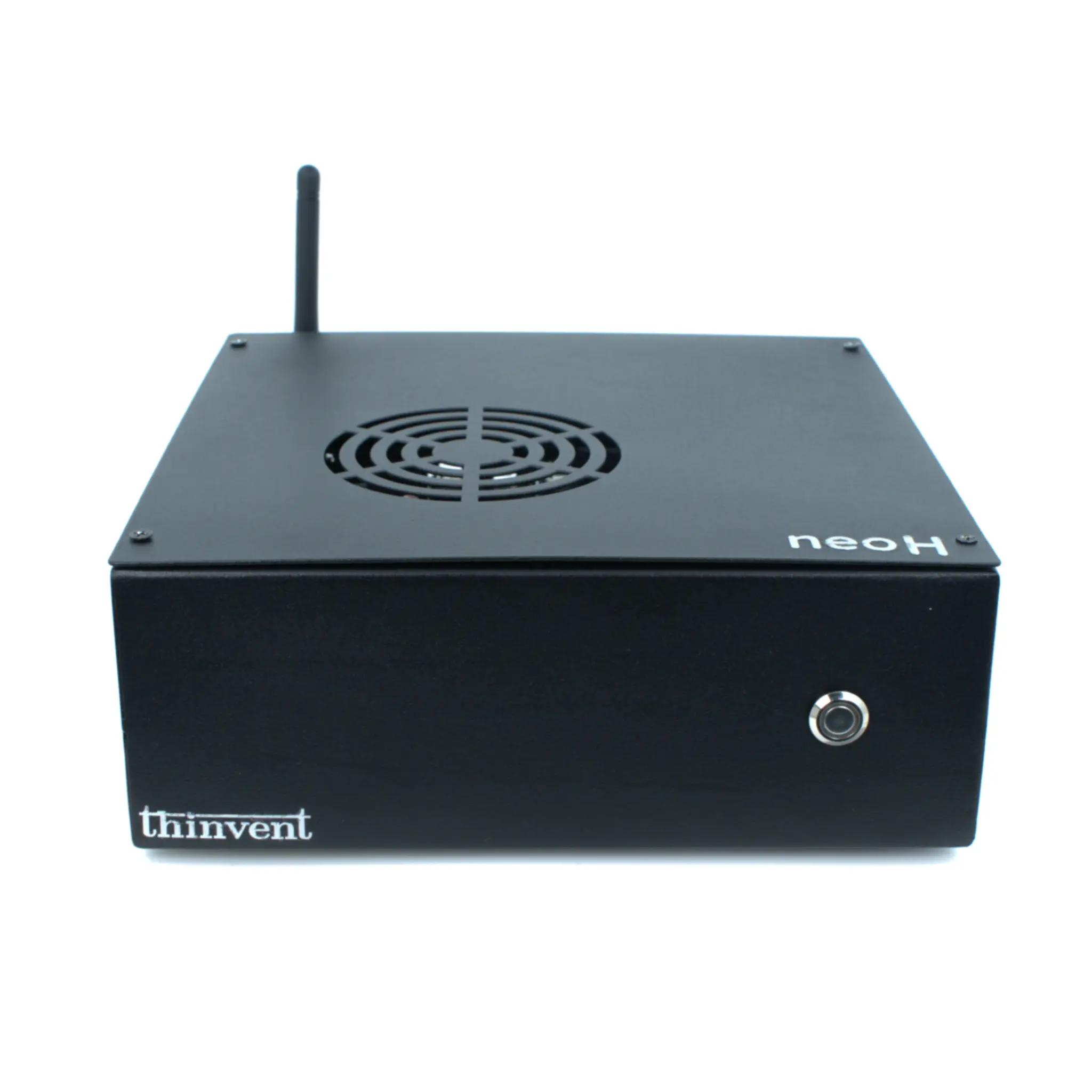
Thinvent Products for Your Home NAS Thinvent's range of industrial-grade Mini PCs are excellent foundations for building a robust, silent, and efficient home NAS. Models like the Aero Mini PC feature the power-efficient Intel N100 processor, multiple USB 3.2 ports for storage expansion, and Gigabit Ethernet. Their fanless, compact design ensures silent 24/7 operation perfect for living spaces. You can install your preferred NAS operating system on the internal SSD and connect large external drives via USB to create a customized, high-performance storage solution that fits your exact needs.