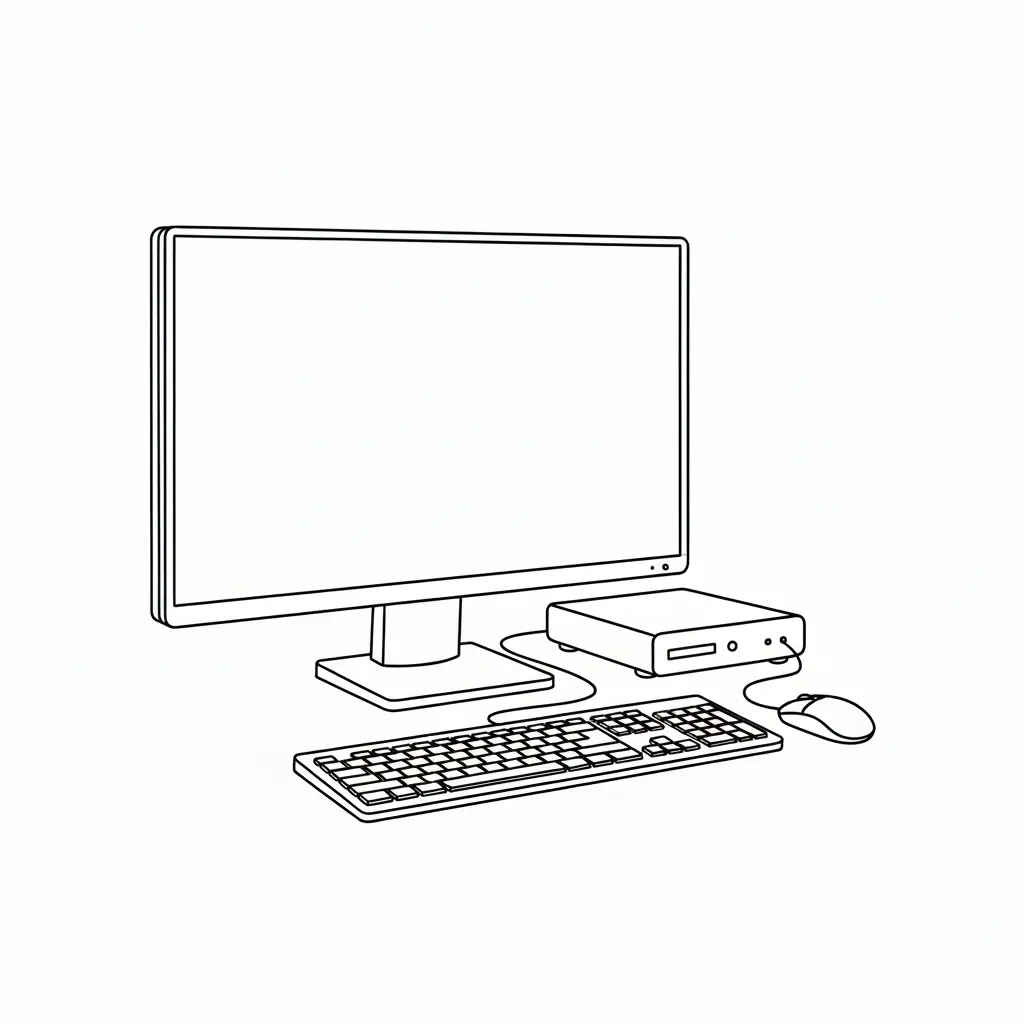
The NComputing L250 is a small endpoint device that repurposes x86-64 based PCs for virtual desktop infrastructure (VDI). The closest Thinvent alternative is the Thinvent Treo Mini PC, a compact desktop-class system offered with several processors and up to 64 GB of RAM. The comparison below uses the NComputing L250 details that are available and the Thinvent Treo range.
NComputing L250 vs Thinvent Treo Mini PC
| Feature | NComputing L250 | Thinvent Treo Mini PC, Intel Celeron N5095A | Thinvent Treo Mini PC, AMD Ryzen 5 7430U |
|---|---|---|---|
| Processor | Not stated | Intel Celeron N5095A (4 cores, up to 2.9 GHz) | AMD Ryzen 5 7430U (6 cores, up to 4.3 GHz) |
| Cores/Threads | Not stated | 4 cores | 6 cores |
| RAM | Not stated | Up to 8 GB (range 4 GB to 32 GB across options) | Up to 64 GB |
| Storage | Not stated | 128 GB to 2 TB SSD | 128 GB to 2 TB SSD |
| Form Factor | Small Form Factor | Mini PC | Mini PC |
| Wireless | Not stated | No WiFi or Dual Band Wi-Fi 5 options | No WiFi or Dual Band Wi-Fi 5 options |
Key differences
-
The Thinvent Treo Mini PC is a full mini PC with selectable RAM up to 64 GB, which exceeds the usable RAM stated for many VDI endpoint workloads.
-
Storage on the Thinvent Treo ranges from 128 GB to 2 TB SSD, giving room for local data and software.
-
The Treo line includes processor options from Intel Celeron to AMD Ryzen 5 and Intel Core Ultra 5, so buyers can match performance to workload.
-
The L250 is a dedicated endpoint device built around LEAF OS, while the Treo runs DOS in the listed configurations and can be used with the software of your choice.
Which one should you choose?
Choose the NComputing L250 if you need a purpose-built endpoint to connect to existing virtual desktops on supported platforms. Choose the Thinvent Treo Mini PC if you want a compact, configurable mini PC with higher RAM and storage options for demanding virtual desktop or general office workloads.