What Are Thin Clients for Remote Desktop Computing?
Thin clients are streamlined, low-power computing devices designed primarily to connect to a central server or cloud-based virtual desktop infrastructure (VDI). Unlike traditional PCs, they have minimal local processing power and storage, relying on the server for applications and data. This makes them exceptionally efficient, secure, and cost-effective for environments where multiple users need access to standardized software and data, such as in offices, call centers, schools, and healthcare facilities. The core function is to facilitate Remote Desktop Protocol (RDP) or similar connections, delivering a full desktop experience from a powerful backend server.
Key Specifications for Efficient Thin Clients
For optimal remote desktop performance, key thin client specifications focus on reliable connectivity and efficient decoding of video streams, not raw processing power. Essential features include:
-
Processor: Modern ARM-based processors (like Cortex-A53/A55) or efficient Intel processors (like the N-series) provide more than enough power for decoding and smooth operation.
-
Memory (RAM): 2GB to 4GB is typically sufficient for handling the remote session client and local OS tasks.
-
Storage: Small, solid-state eMMC storage (16GB to 64GB) is ideal for hosting the lightweight embedded operating system.
-
Connectivity: Dual or Gigabit Ethernet ports ensure a stable, high-speed connection to the network and server. Integrated Wi-Fi offers deployment flexibility.
-
Operating System: A lightweight, secure, and managed OS like Thinux™ Embedded Linux reduces overhead and enhances security compared to full desktop operating systems.
Ideal Use Cases and Applications
Thin clients are the backbone of centralized IT environments. Their primary applications include:
-
Corporate Task Workers: Providing standard office application access (email, word processing, spreadsheets) for general staff.
-
Call & Contact Centers: Enabling CRM and telephony software access for agents with high reliability and easy management.
-
Education Labs & Libraries: Deploying identical software environments across dozens of stations while preventing local data storage and malware.
-
Healthcare Point-of-Care: Accessing Electronic Health Records (EHR) systems from nursing stations or kiosks with enhanced security and compliance.
-
Digital Signage & Kiosks: Reliably displaying web-based or server-streamed content in public spaces with remote management.
Thinvent's Range of Efficient Thin Clients & Mini PCs
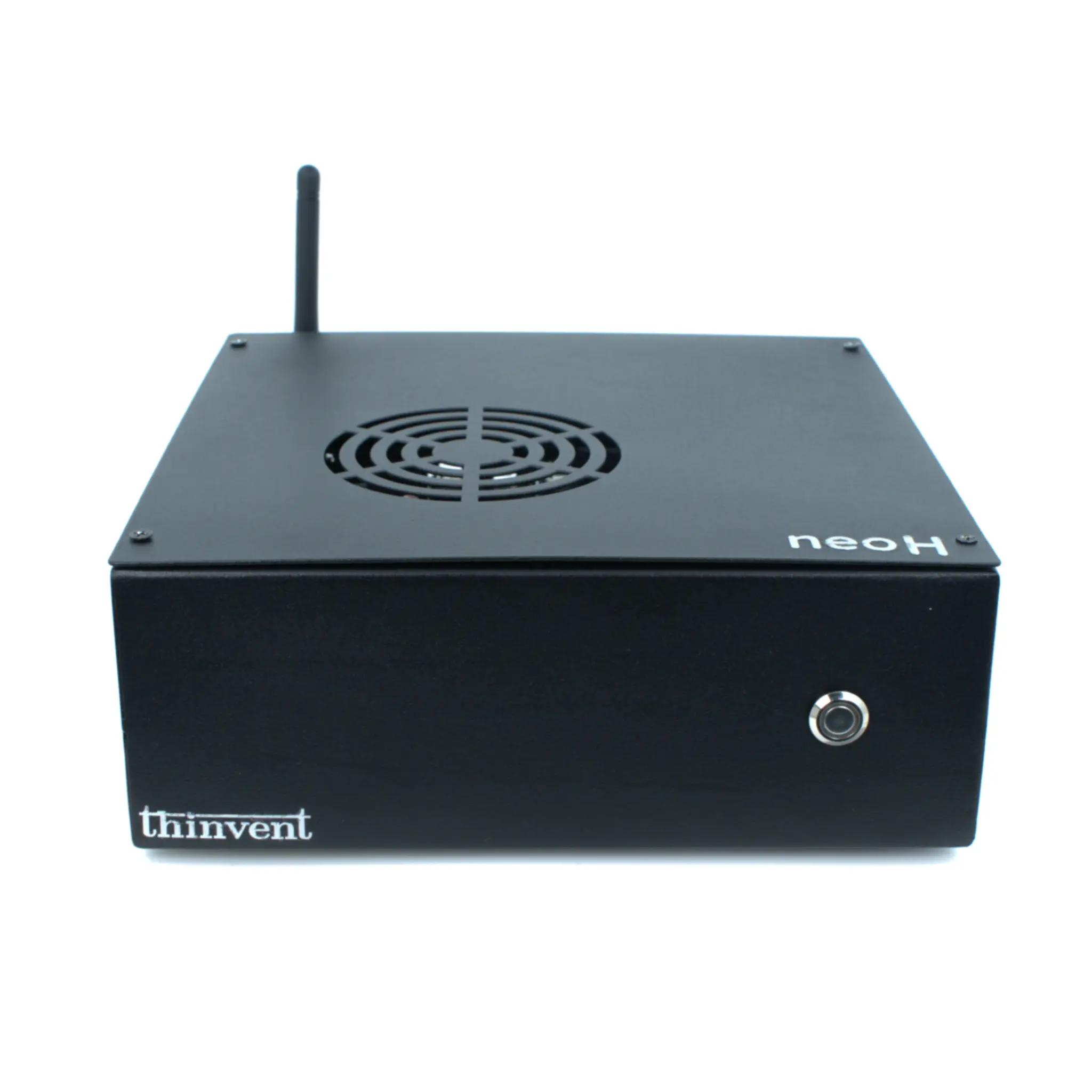
Thinvent offers a versatile portfolio of devices perfectly suited for remote desktop and VDI environments, from ultra-compact thin clients to more capable mini PCs that can also function as standalone workstations.
Thinvent Micro Series (Dedicated Thin Clients): These are purpose-built for RDP/VDI, featuring ARM processors, Thinux™ OS, and fanless designs for silent, reliable operation in any setting.
-
Thinvent Micro 5 Wifi Thin Client: An entry-level, highly efficient device with 2GB RAM and 16GB storage, perfect for basic remote desktop access.
-
Thinvent Micro 6 Pro Mini PC: A step-up model with 4GB RAM and 64GB storage, offering better performance for more demanding remote sessions and light local tasks.
Thinvent Treo & Industrial IPC Series (Flexible Mini PCs): For environments that need the option of local processing or a blend of VDI and standalone use, these Intel-based mini PCs provide excellent flexibility.
-
Thinvent Treo Mini PC (Intel N100): Features a capable Intel processor with 4GB RAM and 128GB SSD. It can run Thinux™ or Ubuntu Linux, making it a powerful thin client or a lightweight standalone PC.
-
Thinvent Industrial PC IPC1 (Intel N100): Offers the same reliable Intel N100 performance in a rugged industrial form factor, ideal for harsh environments requiring remote desktop connectivity.