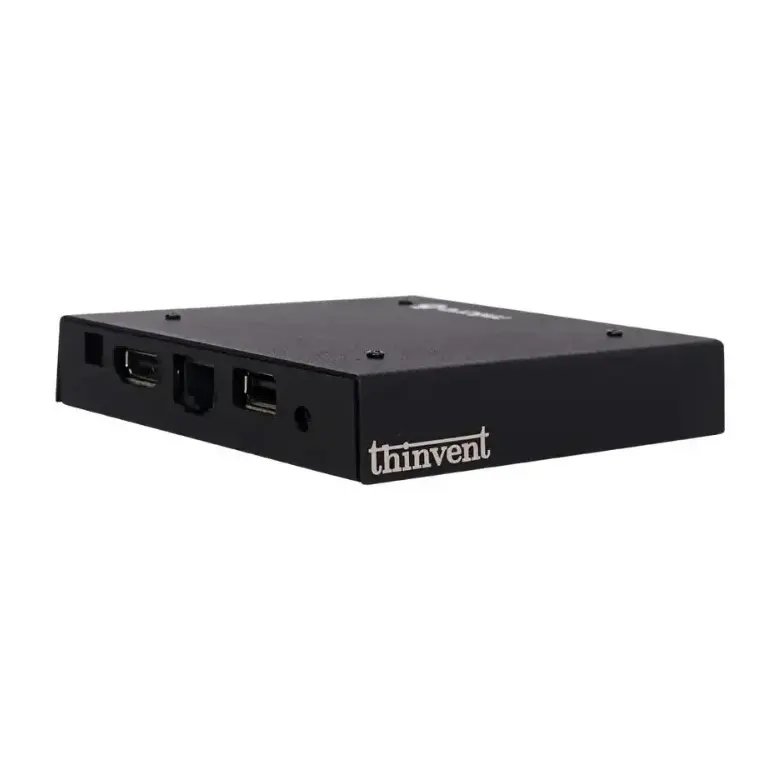
What is a Neoware Eon Thin Client?
The Neoware Eon was a popular line of thin client devices produced by Hewlett-Packard (HP) following its acquisition of Neoware. A thin client is a lightweight, network-dependent computer that relies on a central server to perform most of its processing tasks. Unlike traditional desktop PCs, thin clients have minimal local storage, processing power, and memory, as their primary function is to connect to a virtualized desktop environment (VDI) or cloud-based applications. The Eon series was designed for businesses seeking centralized IT management, enhanced security, and reduced total cost of ownership.
Key Specifications and Technical Details
While the original Neoware Eon models are legacy products, modern thin clients share core architectural principles. They typically feature low-power processors (like Intel Atom or ARM-based chips), small amounts of RAM (2GB to 8GB), and solid-state storage (often 8GB to 32GB eMMC). Their operating systems are streamlined, locked-down, and purpose-built for remote connectivity protocols such as Citrix HDX, VMware Blast, or Microsoft RDP. Key technical hallmarks include fanless designs for silent operation, multiple display outputs (VGA, DVI, DisplayPort), and robust network connectivity with Gigabit Ethernet.
Use Cases and Applications
Thin clients like the Neoware Eon are ideal for environments where standardization, security, and manageability are paramount.
-
Call Centers & Office Workstations: Provides a consistent, secure desktop experience for task workers using CRM or office productivity suites.
-
Healthcare (Clinical Workstations): Allows secure access to Electronic Health Records (EHR) systems from any terminal without storing sensitive data locally.
-
Education & Libraries: Offers a cost-effective way to provide computer access to students, with easy software deployment and maintenance from a central server.
-
Manufacturing & Retail: Used for kiosks, digital signage, and point-of-sale systems where hardware needs to be reliable and easily replaceable.
Modern Thin Client vs. Traditional Desktop
| Feature | Modern Thin Client | Traditional Desktop PC |
|---|---|---|
| Processing | Primarily server/cloud-based | Local CPU (Intel Core i3/i5/i7, etc.) |
| Data Storage | Minimal local storage (for OS) | Large local HDD/SSD |
| Security | High (no local data, centrally managed) | Variable (data at risk on local device) |
| Management | Centralized, simple software updates | Decentralized, complex imaging/deployment |
| Total Cost | Lower long-term OPEX (power, maintenance) | Higher upfront CAPEX and management costs |
| Use Case | Task workers, VDI, cloud apps | Power users, gaming, graphic design |
Thinvent's Modern Thin Client Solutions
Thinvent offers a range of contemporary industrial-grade computing solutions that serve as powerful and reliable successors to legacy thin clients like the Neoware Eon. Our compact and fanless systems are engineered for 24/7 operation in demanding environments. For example, the Thinvent Aero Mini PC series, powered by efficient Intel processors like the N100, provides excellent performance for virtual desktop infrastructure. These devices support a wide array of operating systems—including Windows IoT, Windows Pro, and various Linux distributions—offering the flexibility needed for diverse VDI and embedded applications. With robust connectivity options and a focus on durability, Thinvent's products are ideal for businesses upgrading from older thin client architectures to modern, efficient, and secure endpoint solutions.