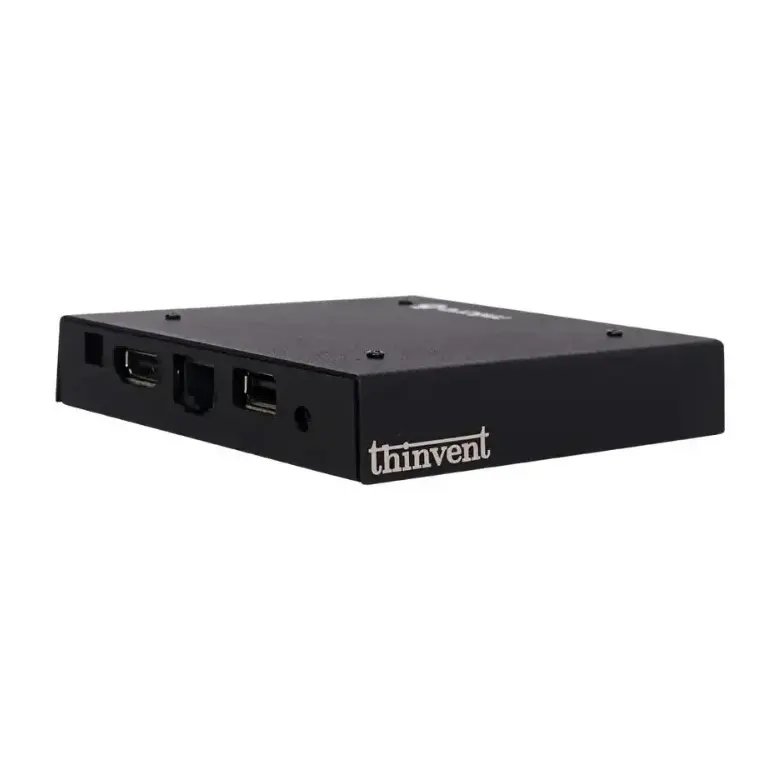
A network hard drive enclosure is a dedicated device that houses one or more hard drives and connects directly to a network, allowing multiple users and devices to access, store, and share files centrally. Unlike a standard external USB drive, a NAS (Network Attached Storage) enclosure operates independently, often running a lightweight operating system to manage data, permissions, and services like media streaming or automated backups. For a robust and reliable NAS solution, many users and businesses opt for a compact, fanless industrial computer instead of a consumer-grade enclosure, as it offers superior processing power, customization, and durability for 24/7 operation.
Key Specifications for a NAS Computer
When selecting a computer to act as a network storage server, several technical aspects are critical. Processing Power is needed for running the NAS OS (like TrueNAS, OpenMediaVault, or UnRAID) and handling data encryption and transcoding; efficient Intel processors like the N-series are ideal. Memory (RAM) is crucial for caching and smooth operation, with 8GB as a minimum for basic use and 16GB or more recommended for multiple users or additional services. Storage Connectivity via multiple SATA or M.2 ports is essential for drive bays, and Gigabit Ethernet (or faster) is mandatory for network throughput. Finally, a fanless, solid-state design ensures silent, dust-resistant, and reliable operation in various environments.
Applications and Use Cases
Industrial mini PCs configured as NAS servers are versatile solutions for diverse scenarios. In small offices and remote workstations, they provide a centralized repository for documents, project files, and shared resources. For digital signage networks and retail environments, they reliably store and serve media content to multiple displays. Home labs and media enthusiasts use them as Plex or Jellyfin servers for video transcoding and streaming. Their rugged, fanless build also makes them perfect for industrial settings—storing machine data, surveillance footage, or acting as a local cache in manufacturing or logistics hubs where reliability is paramount.
Comparison: Consumer NAS vs. Industrial Mini PC NAS
| Feature | Consumer NAS Enclosure | Industrial Mini PC as NAS |
|---|---|---|
| Processing Power | Often limited, ARM-based | x86 Intel/AMD, more powerful & versatile |
| Customization | Fixed drive bays, limited RAM/CPU upgrades | Highly configurable RAM, SSD, and often CPU |
| Operating System | Proprietary, locked-down OS | Choice of any NAS OS (TrueNAS, Linux, Windows Server) |
| Durability | Plastic casing, cooling fans | Metal chassis, fanless, wide temperature range |
| Expandability | Limited to built-in ports | Can often add PCIe cards for more NICs or SATA ports |
| Primary Use Case | Simple file sharing, home media | Demanding, multi-service, 24/7 industrial applications |
Thinvent Solutions for Network Storage
Thinvent's range of fanless industrial computers are engineered to excel as powerful and dependable network storage solutions. Devices like the Aero Mini PC series feature efficient Intel processors, ample RAM configurations, and multiple storage options, providing the perfect hardware foundation for your custom NAS build. Their robust, silent operation and support for various operating systems, from Windows to Linux distributions, offer unparalleled flexibility. For businesses seeking a centralized, high-availability storage server that goes beyond consumer-grade limitations, Thinvent's industrial PCs deliver the performance, reliability, and customization required for professional-grade Network Attached Storage.