What Are New Computer Link Systems?
A "New Computer Link" typically refers to a modern, compact computing system designed to connect and integrate with existing industrial hardware, networks, or digital signage setups. These systems act as the central processing node, linking various peripherals, sensors, and displays to create a cohesive, intelligent network. They are characterized by their small form factor, robust connectivity, and reliable performance in demanding environments.
Key Specifications and Technical Details
Modern link computers are built for 24/7 operation and seamless integration. Core specifications often include efficient, low-power Intel processors like the N-series (e.g., N100), which provide ample performance for connectivity tasks without generating excess heat. They typically feature fanless cooling for silent and maintenance-free operation, ample DDR4 RAM (commonly 8GB or 16GB) for smooth multitasking, and fast SSD storage (128GB to 512GB) for quick boot times and data access. Essential connectivity includes multiple Gigabit Ethernet ports for network linking, USB 3.2 ports for peripheral attachment, and HDMI outputs for display control. These systems support a wide range of operating systems, from Windows IoT and Pro to various Linux distributions, offering flexibility for different software ecosystems.
Primary Use Cases and Applications
These compact computers are ideal for creating links in diverse industrial and commercial settings. Common applications include:
-
Digital Signage & Kiosks: Serving as the media player and control unit for networked displays in retail, hospitality, and public spaces.
-
IoT Gateways: Aggregating data from sensors and devices on the factory floor or in smart buildings and linking it to cloud or central servers.
-
Thin Client & VDI Endpoints: Providing a secure, low-maintenance link to virtualized desktop environments in offices, call centers, and healthcare.
-
Industrial Automation: Acting as a control link for PLCs, HMIs, and other machinery on the production line.
-
Edge Computing Nodes: Processing data locally at the "edge" of the network before sending relevant information onward, reducing latency and bandwidth use.
Comparison of Common Link Computer Configurations
| Feature | Basic Connectivity Node | Enhanced Performance Node | Industrial Gateway |
|---|---|---|---|
| Typical Processor | Intel Celeron / N95 | Intel N100 / i3 | Intel i5 / Higher-end N-series |
| RAM | 4GB - 8GB | 8GB - 16GB | 16GB - 32GB |
| Storage | 128GB SSD | 256GB SSD | 512GB+ SSD |
| Best For | Simple digital signage, single-purpose kiosks | Multi-display signage, IoT aggregation, light VDI | Data-intensive edge computing, multi-machine control |
Thinvent Solutions for Reliable Computer Linking
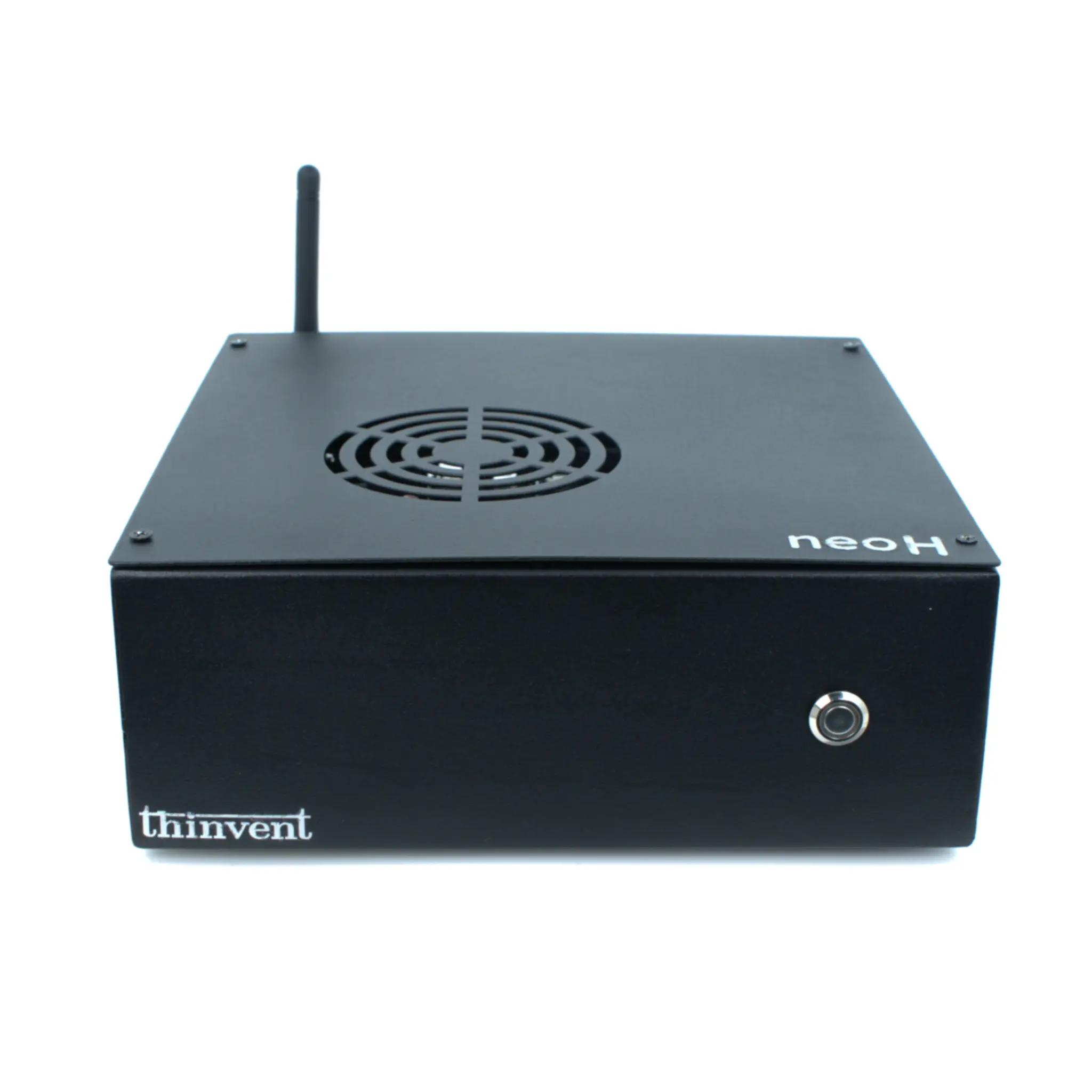
Thinvent specializes in robust, fanless mini PCs that are perfectly engineered to serve as dependable New Computer Links. Our Aero Mini PC series, for example, features the efficient Intel N100 processor, up to 16GB of RAM, and solid-state storage in a compact, rugged chassis. Designed for continuous operation, these systems offer extensive connectivity options and support for multiple operating systems, ensuring compatibility with your existing infrastructure. Whether you need a simple link for a digital menu board or a powerful node for an industrial IoT network, Thinvent's range of industrial computers provides the reliability, performance, and flexibility required for critical linking applications worldwide.