What Are New Model Computers?
New model computers represent the latest generation of industrial computing hardware, featuring significant advancements in processor technology, energy efficiency, and system architecture. These systems are designed to deliver superior performance, reliability, and longevity in demanding environments, often incorporating modern chipsets, faster memory standards, and enhanced connectivity options. For industrial applications, "new" typically means the latest processor generations (e.g., Intel's 12th Gen and newer Alder Lake-N series), support for DDR4/DDR5 RAM, and M.2 NVMe storage, all packaged in robust, fanless enclosures for silent and maintenance-free operation.
Key Specifications and Technical Details
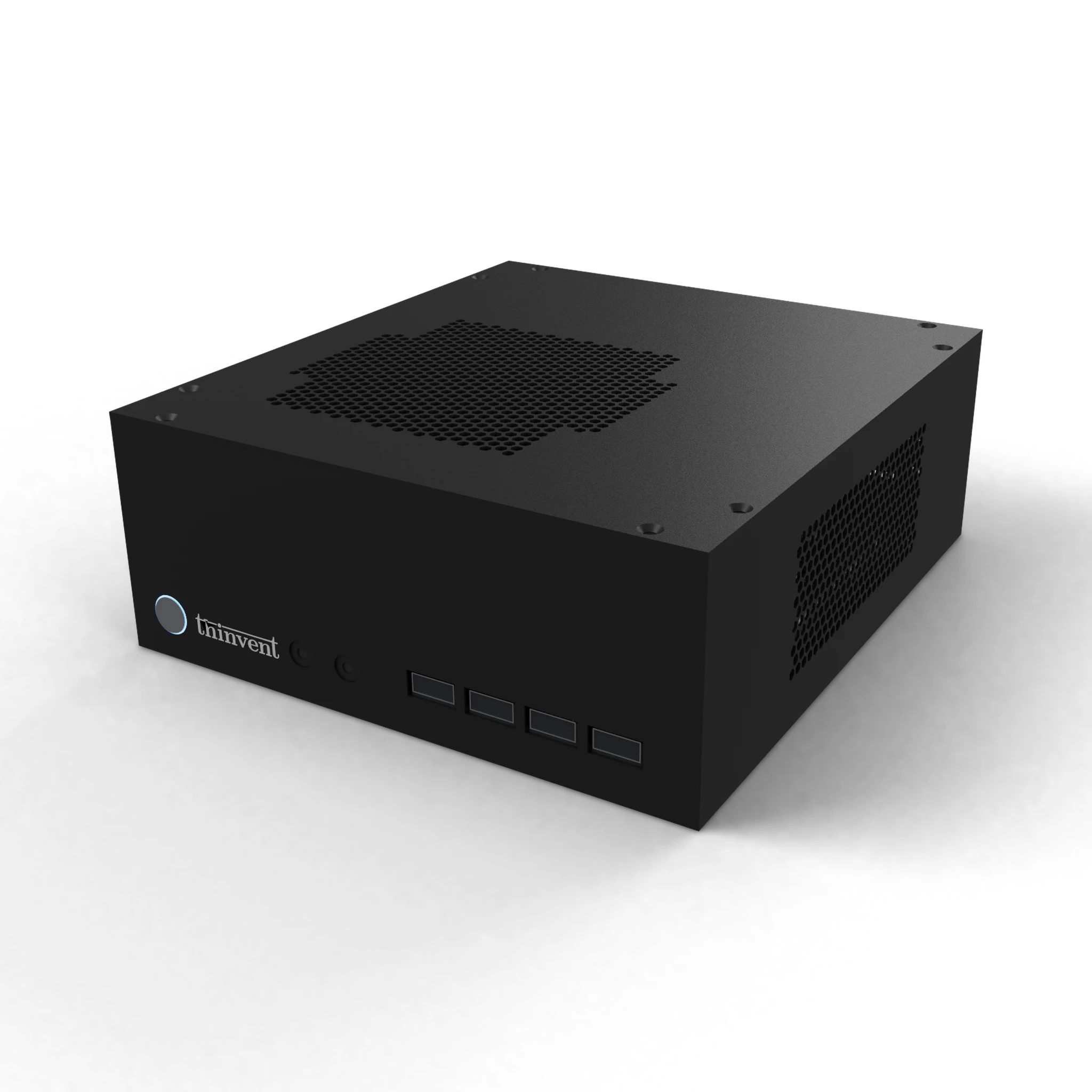
The defining characteristics of new model industrial computers include modern, efficient processors like the Intel N100. This 4-core, 12th Generation chip operates at up to 3.4 GHz with a 6 MB cache, providing a balance of performance and low thermal design power (TDP). Systems are commonly equipped with 16GB of DDR4 RAM for smooth multitasking and 128GB SSDs for fast boot times and application loading. A critical feature is their fanless design, which uses advanced heat dissipation techniques to eliminate moving parts, reducing points of failure and allowing operation in dusty or volatile settings. Standard I/O includes multiple USB ports, HDMI outputs, and Gigabit Ethernet for versatile connectivity.
Ideal Use Cases and Applications
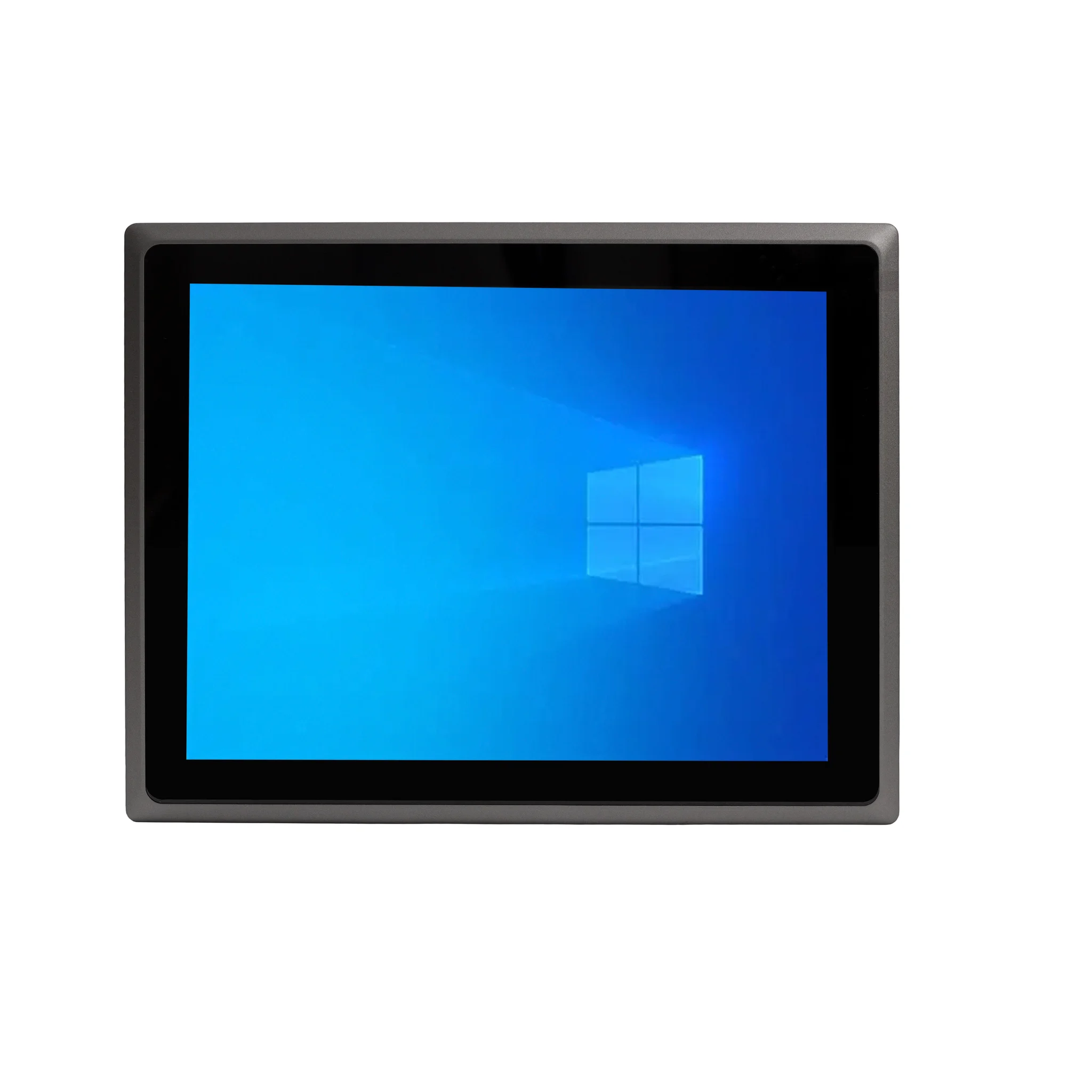
These modern computers are engineered for 24/7 reliability in critical infrastructure. Primary applications include digital signage and kiosks in retail and hospitality, where silent operation and sleek form factors are essential. They are also perfect for industrial automation, serving as programmable logic controller (PLC) hosts or human-machine interface (HMI) stations on the factory floor. Their ruggedness makes them suitable for transportation systems, edge computing nodes in IoT networks, and thin client solutions for virtual desktop infrastructure (VDI) in enterprise and educational environments.
Comparison of Modern Processor Options
When selecting a new model, the processor is a key differentiator. Below is a comparison of common modern industrial-grade CPUs:
| Processor Model | Generation | Cores/Threads | Max Frequency | Typical Use Case |
|---|---|---|---|---|
| Intel N100 | 12th (Alder Lake-N) | 4 / 4 | 3.4 GHz | Entry-level kiosks, basic automation, digital signage |
| Intel N95 | 12th (Alder Lake-N) | 4 / 4 | 3.4 GHz | Similar to N100, often found in cost-optimized designs |
| Intel 1215U | 12th (Alder Lake) | 6 (2P+4E) / 8 | 4.4 GHz | Mid-range HMIs, medical devices, advanced networking |
| Intel 1315U | 13th (Raptor Lake) | 6 (2P+4E) / 8 | 4.5 GHz | High-performance edge servers, AI inference, complex control systems |
Thinvent's Latest Industrial Computing Solutions
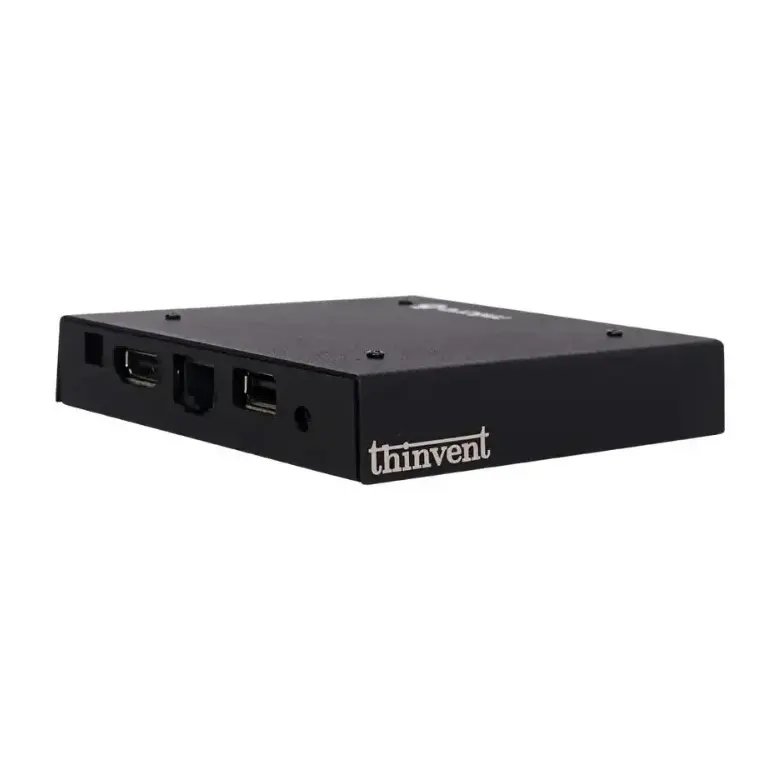
Thinvent specializes in integrating these cutting-edge technologies into reliable, fanless industrial computers. Our product range includes compact Mini PCs, like the Aero series, which harness the efficiency of the Intel N100 processor. These systems are built for durability and come configured with your choice of operating system—including Windows 11 IoT/Pro, Ubuntu Linux, or a lightweight embedded OS—to match your specific software environment. We focus on delivering plug-and-play solutions that offer the latest performance in a robust, maintenance-free package, ensuring your operations benefit from modern computing power without compromise.