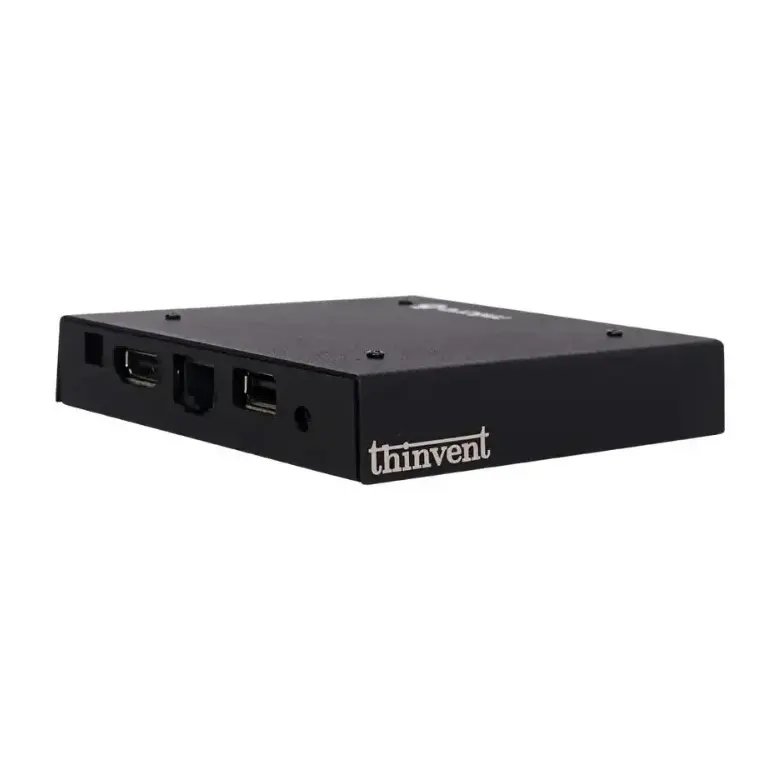
What Are Compact Mini PCs?
Compact Mini PCs are small-form-factor computers designed to deliver full computing functionality in a significantly reduced physical footprint. They are engineered to be portable, energy-efficient, and versatile, making them ideal for space-constrained environments or mobile computing needs. Unlike traditional desktop towers, these systems often utilize low-power processors, solid-state storage, and fanless cooling designs for silent and reliable operation. They provide a complete computing solution, including processing power, memory, storage, and connectivity, in a package that can fit in the palm of your hand or be mounted discreetly behind a monitor.
Key Specifications and Technical Details
The core appeal of compact Mini PCs lies in their balanced specifications tailored for efficiency. They typically feature modern processors from Intel (like the Core i-series, N-series) or ARM (Cortex series), which offer a good blend of performance and low thermal design power (TDP). Memory configurations usually range from 2GB to 16GB of RAM, with storage options including eMMC flash or faster NVMe SSDs ranging from 16GB to 512GB. Connectivity is comprehensive, with multiple USB ports (including USB-C), HDMI or DisplayPort outputs for dual displays, and often built-in Wi-Fi and Bluetooth. Their power consumption is minimal, often running on external power adapters between 5V and 12V, contributing to low operational costs and heat output.
Use Cases and Applications
The portability and versatility of compact Mini PCs open them up to a wide array of applications. They are perfect as digital signage players in retail stores or restaurants, as thin clients for virtual desktop infrastructure (VDI) in offices, or as media centers for home entertainment. Their small size and low noise make them excellent for kiosks, point-of-sale systems, and interactive displays. In industrial settings, their ruggedness and support for wide operating temperature ranges allow them to function in manufacturing floors or as embedded controllers. For general users, they serve as a discreet and powerful home or office desktop replacement.
Comparison of Compact Mini PC Types
| Feature | ARM-Based Mini PCs (e.g., Thinvent Micro Series) | Intel x86-Based Mini PCs (e.g., Thinvent Treo/Aero Series) | Industrial Mini PCs (e.g., Thinvent IPC Series) |
|---|---|---|---|
| Core Architecture | ARM (e.g., Cortex A53/A55) | x86 (e.g., Intel N100, Core i3/i5) | x86 (Intel processors) |
| Typical Use Case | Lightweight computing, thin client, digital signage | General computing, office productivity, media playback | Rugged environments, industrial automation, 24/7 operation |
| Power Efficiency | Very High | High to Moderate | High, with stable power design |
| Performance Profile | Optimized for specific tasks & low power | Balanced performance for broader applications | High reliability & extended lifecycle support |
| Common OS | Embedded Linux (Thinux™) | Windows, Ubuntu Linux, Thinux™ | Windows IoT, Linux variants |
| Form Factor | Ultra-compact, often fanless | Compact, some with active cooling | Robust, often with enhanced durability |
Thinvent's Range of Compact Mini PCs
Thinvent offers a comprehensive portfolio of compact Mini PCs designed to meet diverse global needs. For ultra-portable and energy-sensitive applications, the Thinvent Micro series (like the Micro 5 Wifi and Micro 6 Pro) provides ARM-based solutions with embedded Linux, perfect for digital signage and thin client deployments. The Thinvent Treo and Aero series leverage efficient Intel processors like the N100 and Core i3/i5, delivering robust performance for office computing, home theaters, and light business applications in a silent, fanless, or actively cooled chassis. For demanding environments, the Thinvent Industrial PC (IPC) series features ruggedized designs with processors like the Intel Core i5-1250P, built for reliability in automation, kiosks, and other industrial uses. Across all series, Thinvent emphasizes quality, silent operation through fanless designs where possible, and flexible software options including Thinux™ Embedded Linux, Ubuntu, and Windows.