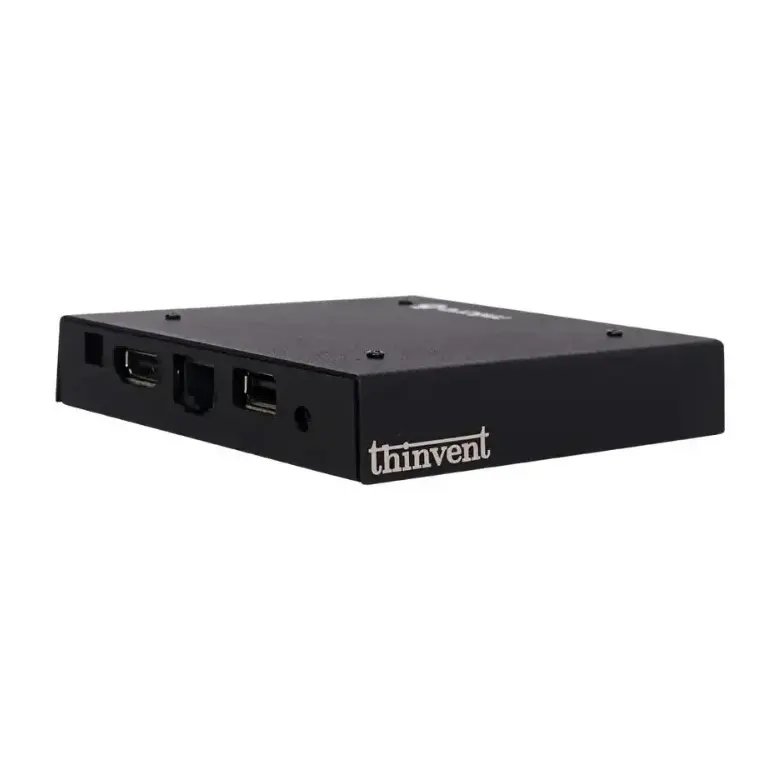
What Are Industrial Mini PCs?
Industrial Mini PCs are compact, ruggedized computing systems designed for demanding business and embedded applications. Unlike consumer-grade desktops, they are built for 24/7 operation, extended temperature ranges, and harsh environments. They offer a perfect balance of performance, reliability, and space efficiency, making them ideal for digital signage, kiosks, factory automation, IoT gateways, and thin client deployments. Their fanless designs are common, ensuring silent operation and immunity to dust, which is critical for long-term reliability in industrial settings.
Key Specifications and Technical Details
The core of an industrial mini PC is defined by its processor architecture, thermal design, and I/O capabilities. Two primary processor families dominate this space: ARM-based systems and x86-based (Intel) systems.
-
ARM-based Mini PCs: Such as those featuring ARM Cortex-A53 or A55 processors, are highly power-efficient, often fanless, and generate minimal heat. They typically use onboard RAM and eMMC storage, are paired with lightweight embedded Linux OS (like Thinux™), and are perfect for dedicated, low-power tasks.
-
x86-based Mini PCs: Powered by Intel processors like the N100, Core i3/i5, or the latest Core Ultra series, they offer higher computational power for complex applications. They support standard DDR4 RAM and NVMe/SATA SSDs, and can run full desktop operating systems like Windows 11 IoT or Ubuntu Linux. These systems handle tasks requiring more processing muscle, such as edge computing, machine vision, or multi-display digital signage.
Applications and Use Cases
The versatility of industrial mini PCs enables deployment across numerous sectors:
-
Digital Signage & Kiosks: Reliable, always-on operation for interactive displays and information terminals.
-
Factory Automation & Control: Acting as a compact PLC or HMI station on the factory floor.
-
Thin Client & VDI: Secure, centralized computing for office environments, call centers, and healthcare.
-
IoT Gateway & Edge Computing: Collecting, processing, and transmitting data from sensors and equipment at the network edge.
-
Embedded Systems: Integrated into medical devices, transportation systems, and retail POS terminals where space and reliability are paramount.
Comparison: ARM vs. x86 Industrial Mini PCs
| Feature | ARM-based Mini PCs (e.g., Thinvent Micro Series) | x86-based Mini PCs (e.g., Thinvent IPC/Aero Series) |
|---|---|---|
| Processor | ARM Cortex (A53, A55) | Intel (N100, Core i3/i5, Core Ultra) |
| Power Consumption | Very Low (5V-12V adapters) | Low to Moderate (12V adapters) |
| Thermal Design | Typically Fanless | Often Fanless or Active Cooling |
| Performance Profile | High Efficiency, Dedicated Tasks | High Performance, General Computing |
| Typical OS | Embedded Linux (Thinux™, Ubuntu) | Windows IoT, Windows Pro, Ubuntu |
| Ideal For | Thin Clients, Basic Kiosks, IoT Nodes | Edge Computing, Automation, Multi-tasking |
Thinvent's Range of Industrial Mini PCs
Thinvent offers a comprehensive portfolio of industrial-grade mini PCs tailored for diverse business and embedded needs. Our Micro Series provides ultra-compact, ARM-powered solutions perfect for lightweight thin client and kiosk duties. For more demanding computational tasks, the IPC Series and Aero Series deliver robust Intel-powered performance in fanless or actively cooled designs, capable of running full Windows or Linux environments. The Treo Mini PC series offers an excellent balance with efficient Intel N100 processors. Every Thinvent mini PC is engineered for durability, long-term availability, and stable operation in challenging conditions, backed by our global support.