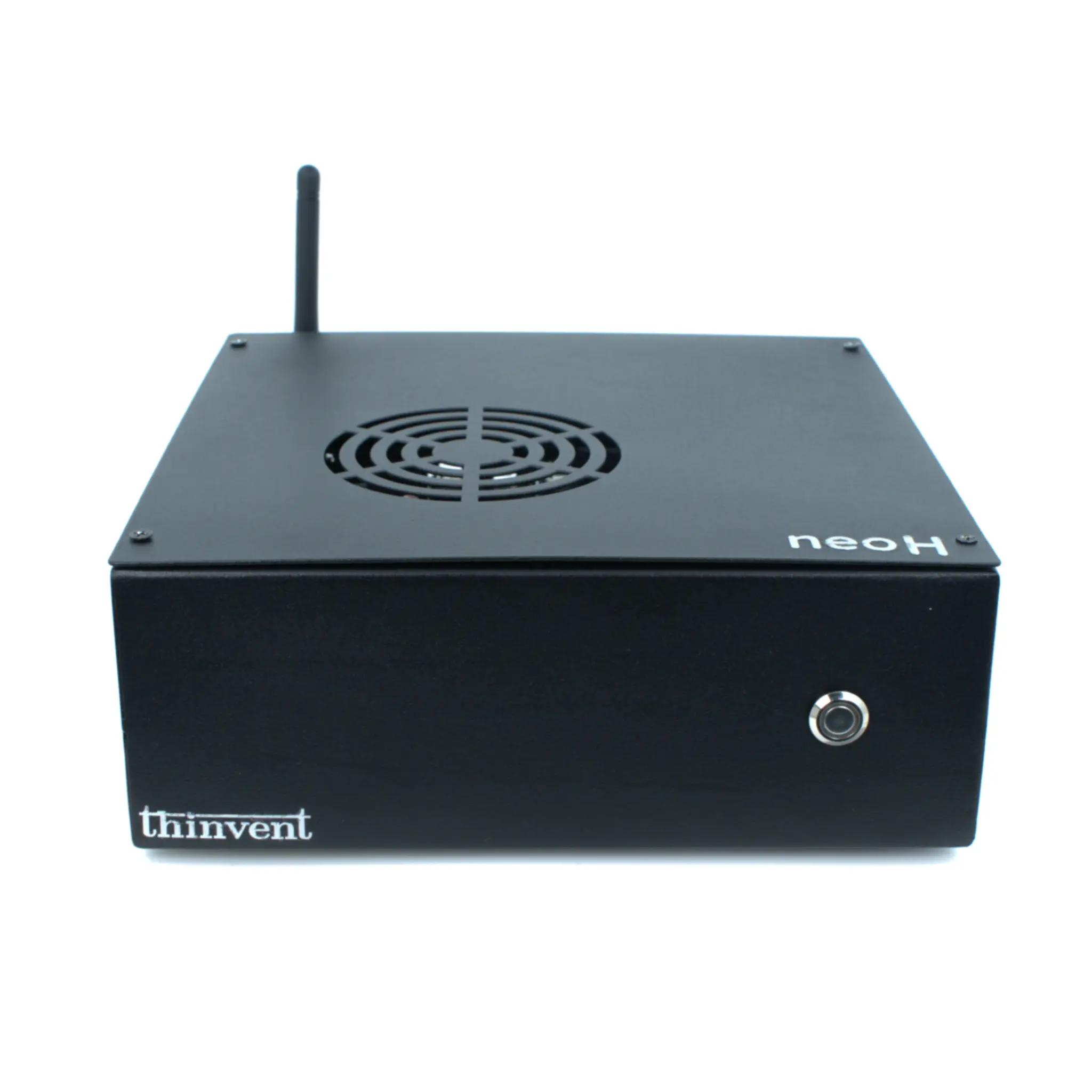
What Are Compact Desktop Computers?
Compact desktop computers, often referred to as small form factor (SFF) or mini PCs, are space-saving computing solutions that deliver full desktop functionality in a significantly reduced footprint. These systems are designed for environments where space is at a premium, such as modern offices, retail point-of-sale stations, digital signage installations, and industrial control panels. They offer a compelling alternative to traditional tower desktops by integrating core components into a chassis that can be mounted behind a monitor or tucked away discreetly.
Key Specifications and Technical Details
Modern compact desktops are powered by efficient processors, such as Intel's N-series or Core i-series CPUs, which balance performance with low power consumption and heat output. This often enables fanless, silent operation—a critical feature for noise-sensitive environments. Standard configurations include DDR4 or DDR5 RAM, solid-state drives (SSD) for fast boot and load times, and a comprehensive set of I/O ports including multiple USB, HDMI/DisplayPort, and Gigabit Ethernet. Their small size does not compromise connectivity, with many models supporting dual or even triple display outputs, making them ideal for multitasking and digital signage applications.
Use Cases and Applications
The versatility of compact desktops makes them suitable for a wide range of professional and industrial applications. In corporate settings, they serve as efficient workstations for general office productivity, video conferencing, and virtual desktop infrastructure (VDI) clients. In retail and hospitality, they power point-of-sale systems, self-service kiosks, and menu boards. For industrial automation, their ruggedized variants (often fanless and with wide temperature tolerance) are deployed in manufacturing floors, logistics hubs, and as embedded controllers in machinery. Their low power draw also makes them excellent for 24/7 operations like surveillance systems or information displays.
Comparison: Compact Desktop vs. Traditional Tower
| Feature | Compact Desktop | Traditional Tower Desktop |
|---|---|---|
| Form Factor | Ultra-small (often < 1L volume) | Large, standalone chassis |
| Footprint | Minimal; VESA-mountable | Requires significant desk/floor space |
| Power Consumption | Typically 10W - 65W | Typically 65W - 800W+ |
| Cooling | Often fanless or low-noise | Active cooling with multiple fans |
| Upgradeability | Limited; often RAM/SSD only | High; multiple expansion slots & bays |
| Ideal For | Space-constrained, fixed-function, embedded use | High-performance computing, gaming, extensive upgrades |
Thinvent's Compact Desktop Solutions
Thinvent offers a robust portfolio of industrial-grade compact desktop computers engineered for reliability and performance. Our Aero Mini PC series exemplifies this category, featuring fanless designs with Intel processors for silent, maintenance-free operation in demanding environments. These systems are built with industrial components for extended longevity and support a range of operating systems, including Windows, Linux, and embedded platforms. Thinvent's compact desktops are ideal for business automation, digital signage, thin client deployments, and edge computing applications where space, efficiency, and durability are paramount.