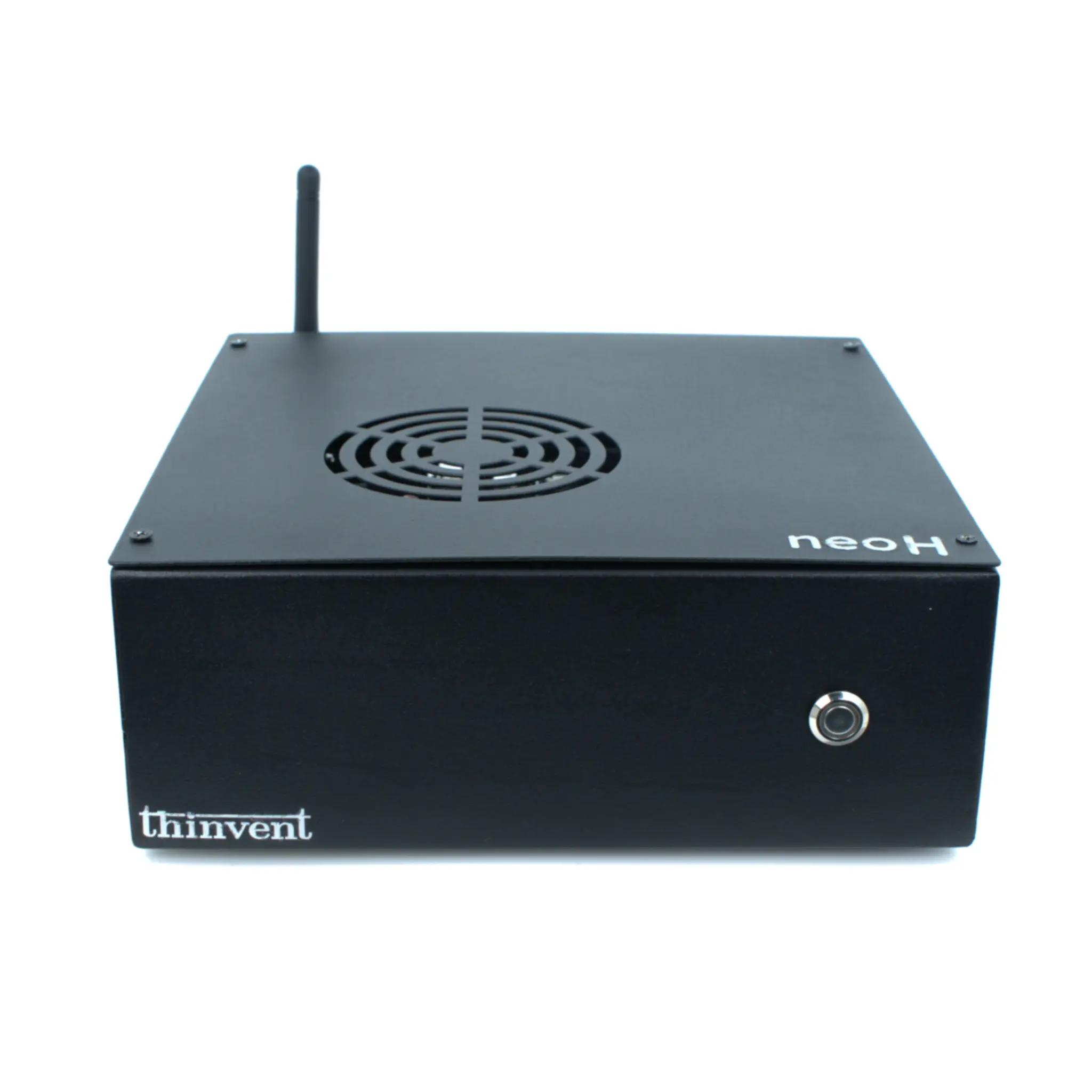
Industrial PCs designed for multiple operating systems are specialized computing platforms built for flexibility, long-term stability, and deployment in diverse environments. Unlike standard consumer PCs, these systems feature robust hardware with wide OS compatibility, often supporting x86 and ARM architectures. This allows them to run everything from real-time operating systems (RTOS) and embedded Linux distributions to full desktop versions of Windows and Ubuntu. Key specifications that enable this versatility include UEFI/BIOS with extensive boot options, certified drivers for industrial components, and hardware that meets the power and thermal requirements for 24/7 operation in challenging conditions.
The ability to support multiple operating systems is critical for various industrial and commercial applications. In manufacturing, a single PC platform might need to run a lightweight Linux OS for machine control while another instance requires Windows for HMI (Human-Machine Interface) software. In digital signage and kiosks, flexibility allows for easy software updates or complete OS changes without replacing hardware. For IoT gateways and edge computing, support for Ubuntu Linux or custom RTOS enables data aggregation and processing closer to the source. This multi-OS capability future-proofs investments, as software stacks can be migrated or updated independently of the hardware lifecycle.
When selecting an industrial PC for multi-OS support, several technical factors are paramount. The processor architecture (Intel x86 or ARM) dictates the range of compatible OSes. Systems should offer ample and fast storage (NVMe SSDs are ideal) for dual-boot or virtualization scenarios. Sufficient RAM (typically 8GB or more) is needed to handle modern OS workloads. Robust I/O, including multiple Ethernet ports (often with PoE capability), USB ports, and serial COM ports, ensures connectivity with industrial peripherals regardless of the OS. Finally, fanless cooling and wide-temperature operation (-40°C to 70°C) are hallmarks of true industrial-grade PCs built for reliability.
Typical Operating System Support for Industrial PCs: | Operating System | Typical Use Case | Key Hardware Considerations | | :--- | :--- | :--- | | Windows 11 IoT/Pro | HMIs, SCADA, Legacy Software | Intel Core i3/i5/i7, TPM 2.0, 8GB+ RAM | | Ubuntu Linux 24.04 LTS | Development, Servers, Edge AI | x86 or ARM, 4GB+ RAM, SSD Storage | | Thinux™ (Embedded Linux) | Thin Clients, Kiosks, Digital Signage | Low-power ARM/Intel, eMMC storage | | FreeDOS | Legacy Manufacturing Equipment | Basic x86 compatibility, USB boot | | Without OS (Bare Metal) | Custom RTOS, Proprietary Software | Driver availability, Boot from USB/Network |
Thinvent Industrial PCs with Multi-OS Support
Thinvent's range of industrial computing solutions is engineered for maximum operating system flexibility. Our Industrial PC (IPC) series, featuring Intel Core and N-series processors, provides a robust x86 foundation certified for Windows 11, Ubuntu Linux, and other distributions. For embedded and lightweight deployments, our Micro series thin clients and mini PCs, powered by efficient ARM processors, are optimized for Thinux™ Embedded Linux and other compatible OSes. Whether your project requires the full graphical power of Windows for complex visualizations or the lean efficiency of Linux for headless operations, Thinvent platforms offer the driver support, boot options, and hardware reliability to ensure seamless multi-OS functionality in any industrial setting.