Industrial PC Quotation And Configuration Guide
Creating an accurate quotation for an Industrial PC (IPC) requires careful consideration of the specific demands of the application environment. Unlike standard desktop PCs, industrial computers must be configured for reliability, longevity, and performance under challenging conditions such as wide temperature ranges, dust, vibration, and continuous 24/7 operation. This guide outlines the key factors to consider when specifying and configuring an IPC for your project.
The core of any IPC configuration is its processing platform. For many industrial automation, digital signage, and edge computing tasks, a modern, efficient processor like the Intel® N100 is an excellent choice. This 12th Gen processor offers 4 cores, a max frequency of 3.4 GHz, and 6 MB cache, providing ample power for control logic, data processing, and running multiple applications simultaneously. It is paired with sufficient memory, such as 16GB DDR4 RAM, to ensure smooth multitasking and responsiveness. Storage, typically an SSD (e.g., 128GB), is selected for its speed and resilience to shock compared to traditional hard drives.
Beyond the core compute specifications, the operating system is a critical configuration choice that impacts software compatibility, security, and total cost of ownership. Common options include:
-
Windows 11 IoT/Pro: Ideal for applications requiring specific Windows-based industrial software, HMIs, or legacy support.
-
Linux (Ubuntu/Thinux™): Preferred for custom applications, embedded systems, and environments where open-source software, stability, and lower licensing costs are priorities.
-
DOS: Used for highly customized or proprietary systems where the end-user installs their own specialized operating environment.
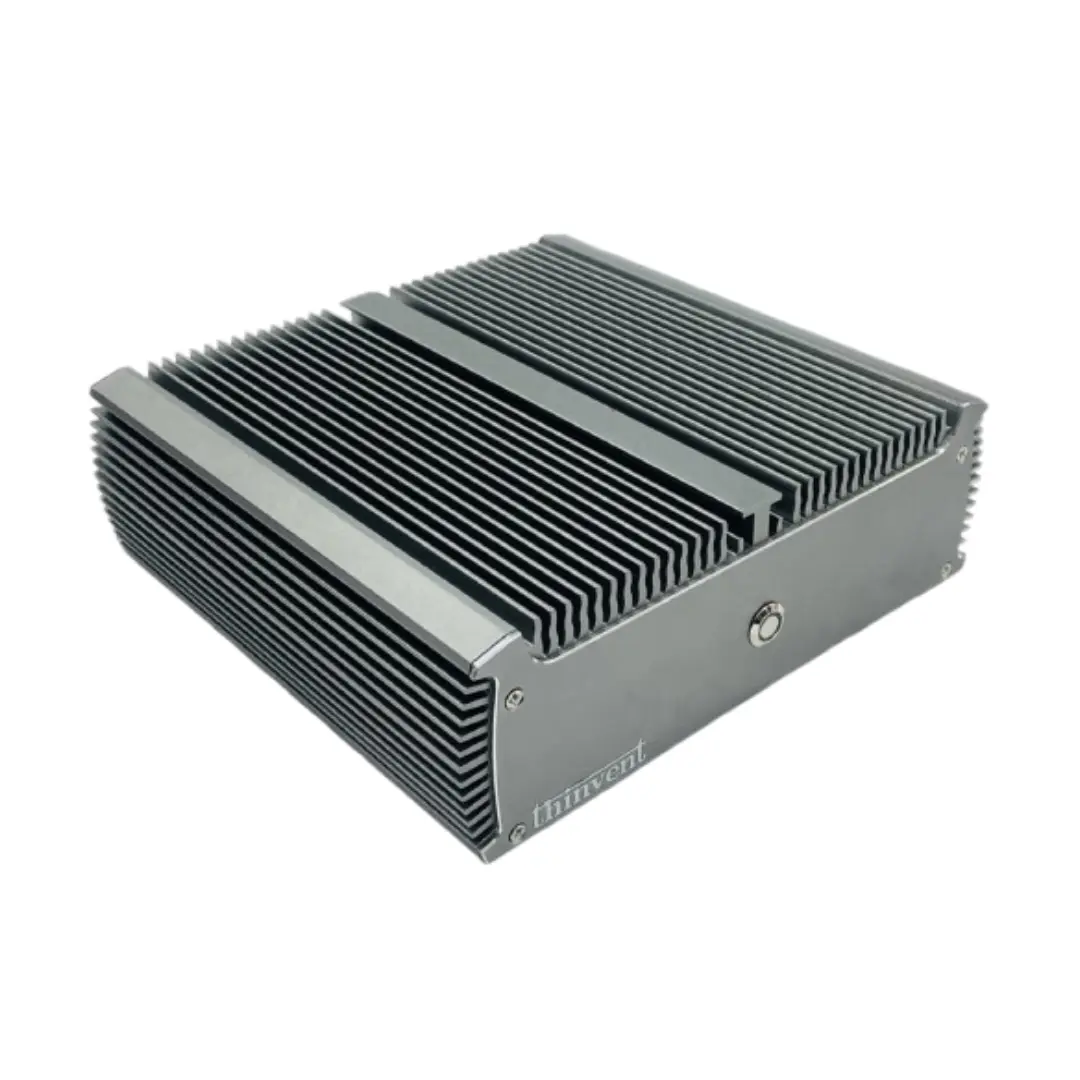
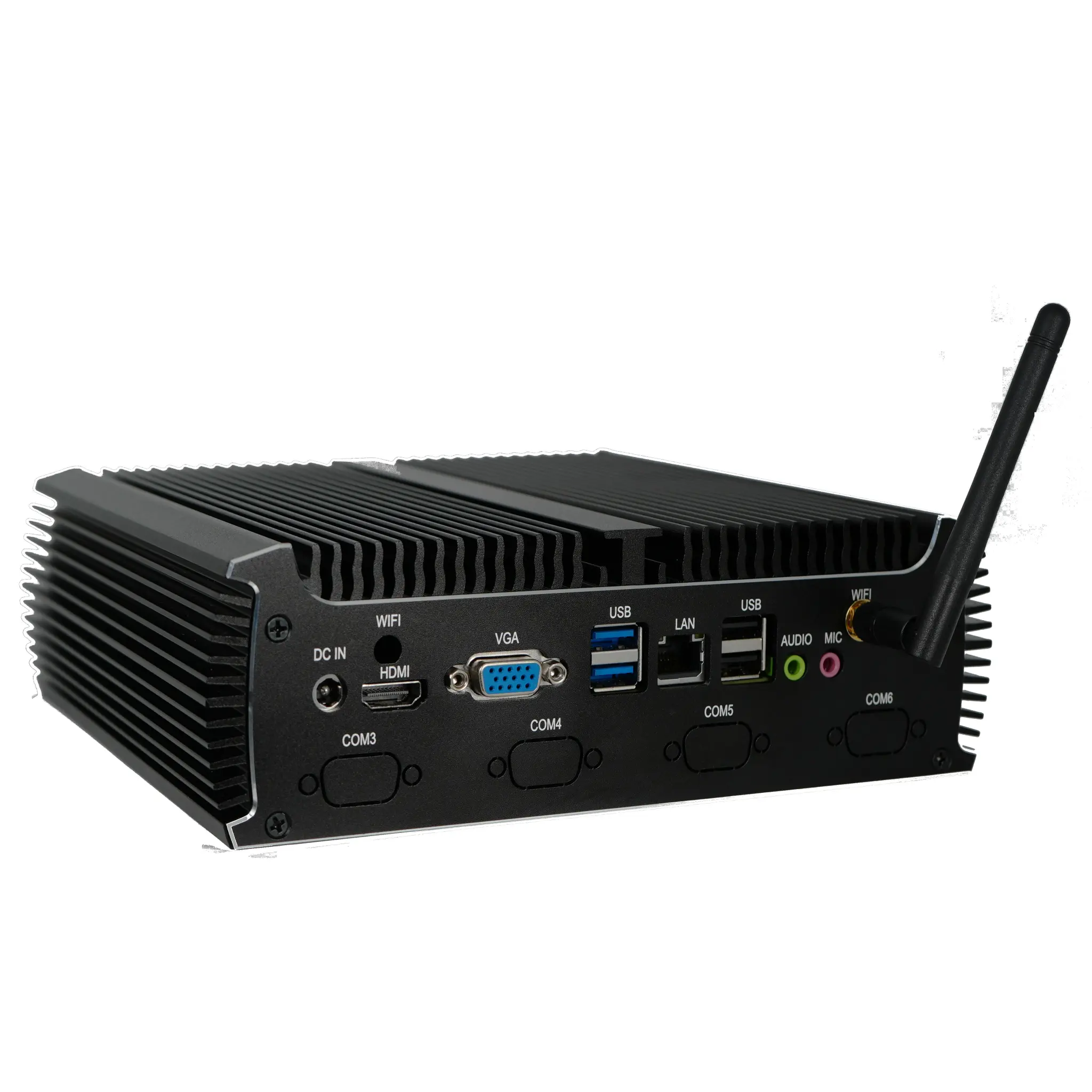
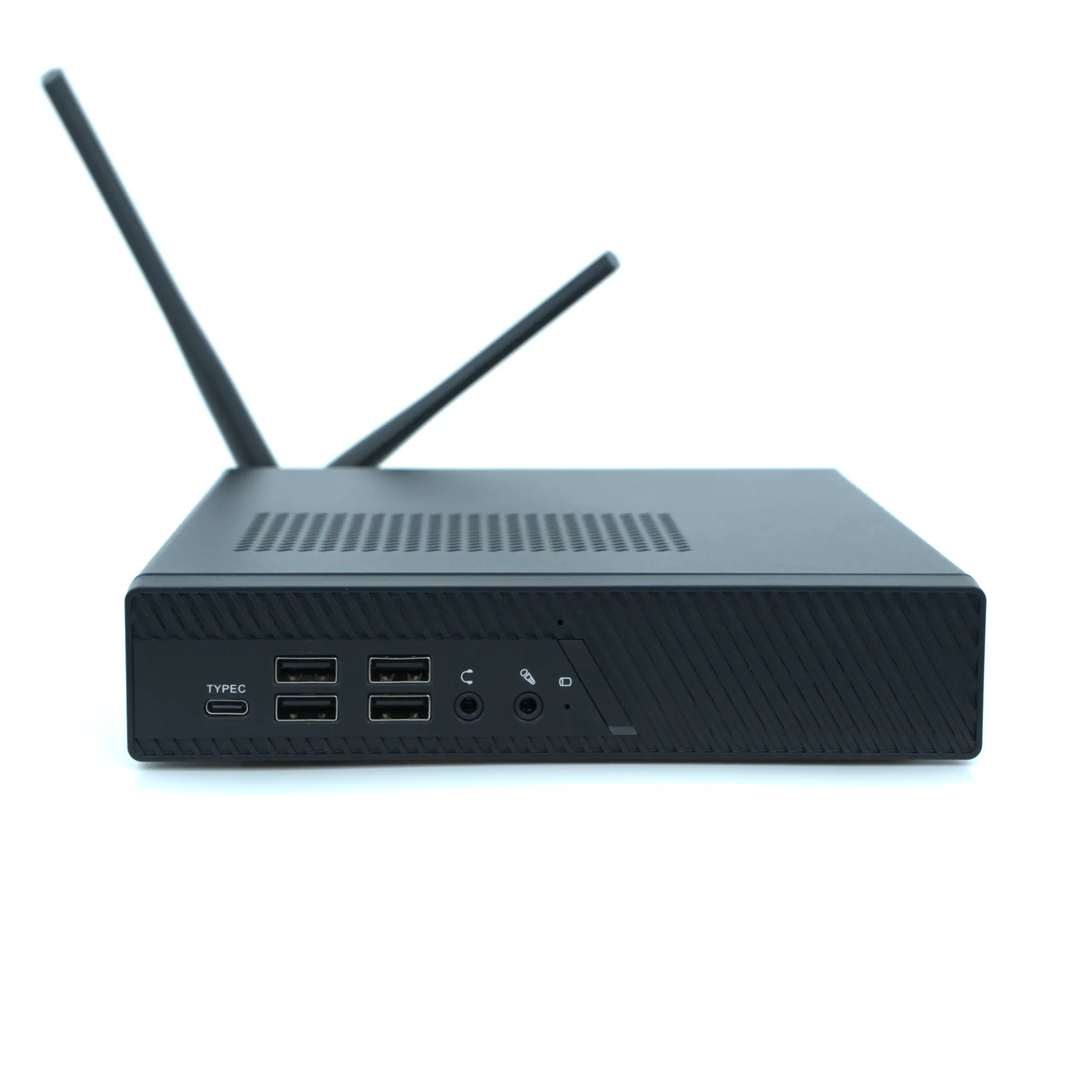
Additional peripherals and features must also be specified. This includes connectivity options (Ethernet ports, optional WiFi/Bluetooth modules), expansion slots for I/O cards, power supply requirements (e.g., a wide-range 12V DC input), and environmental hardening like fanless cooling for silent and dust-resistant operation. Bundling accessories like a dedicated keyboard and mouse set can simplify procurement and deployment.
Key Configuration Decision Table
| Configuration Aspect | Options & Considerations | Typical Use Case |
|---|---|---|
| Processor | Intel® N100 (4C/4T, 3.4GHz) | Edge computing, automation, digital signage |
| Memory (RAM) | 16GB DDR4 | Multitasking, running virtual machines, data caching |
| Storage | 128GB SSD (or higher) | OS, applications, and local data storage |
| Operating System | Windows 11 IoT, Windows 11 Pro, Linux (Ubuntu/Thinux™), DOS | Software compatibility, security, and licensing needs |
| Connectivity | Gigabit Ethernet, Optional WiFi | Network integration, remote locations |
| Power | 12V DC Input (e.g., 12V/2A adapter) | Flexibility for industrial power setups |
| Cooling | Fanless Design | Dusty environments, silent operation, 24/7 reliability |
| Accessories | Keyboard & Mouse Set | Complete out-of-the-box solution |
Thinvent Industrial PCs Featuring This Configuration
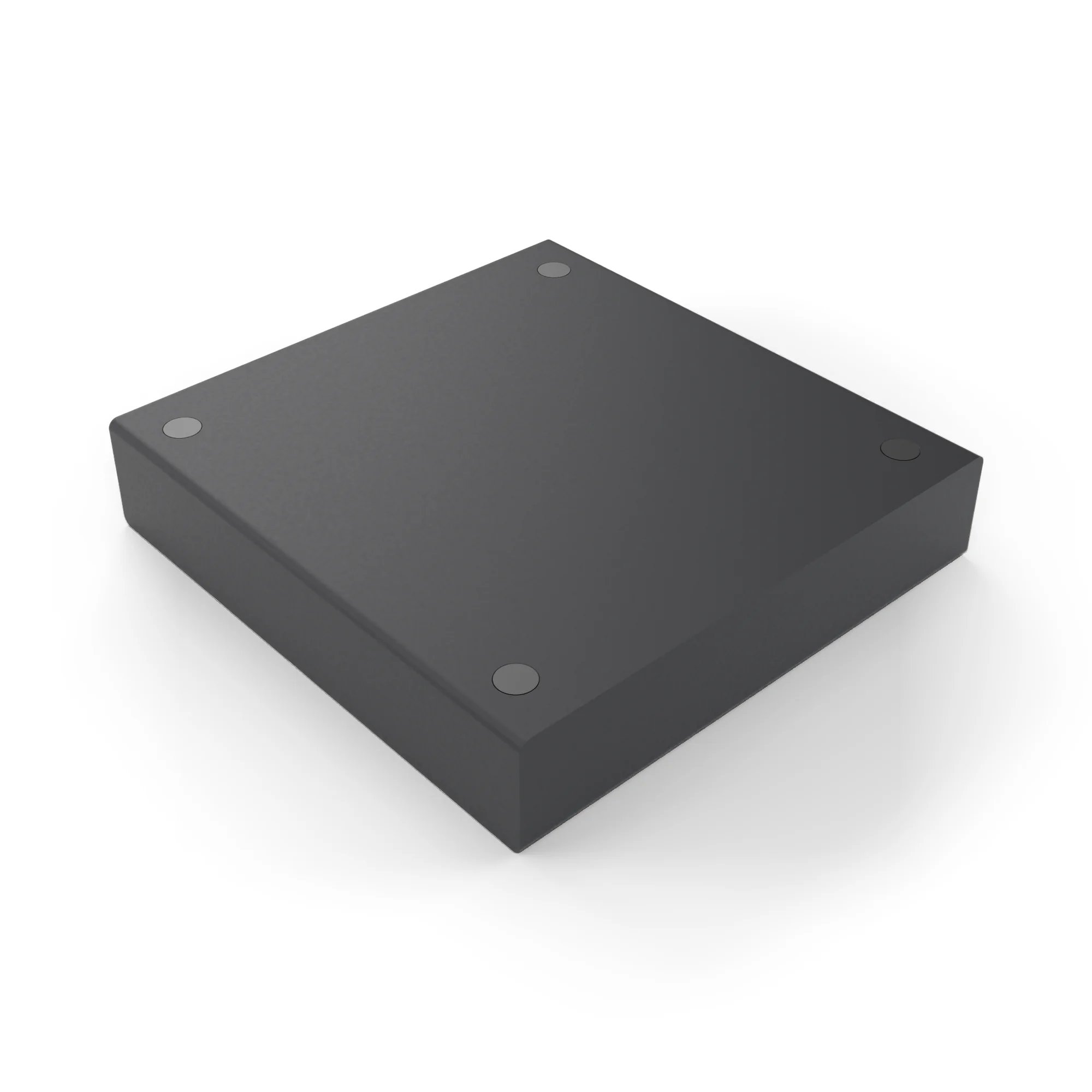
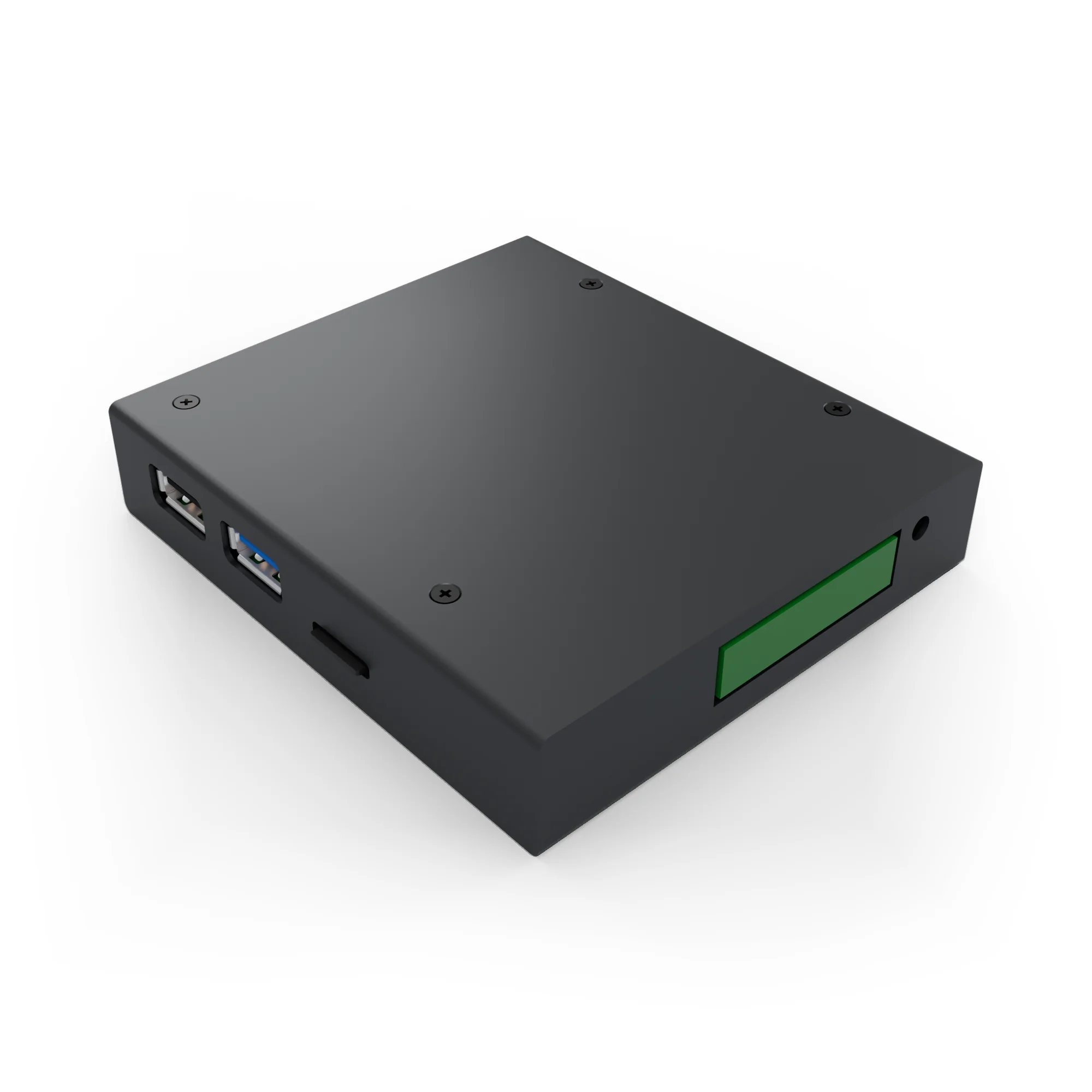
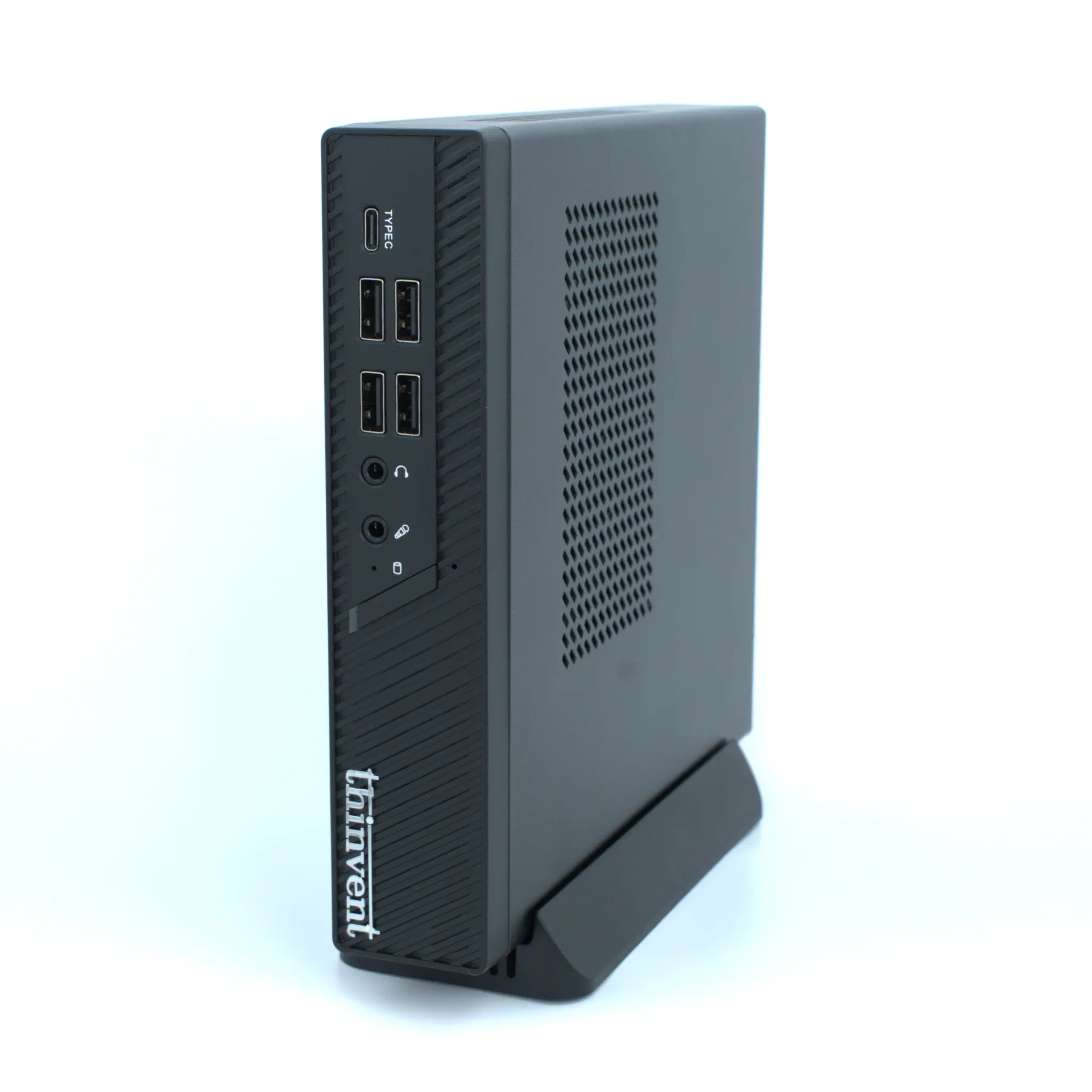
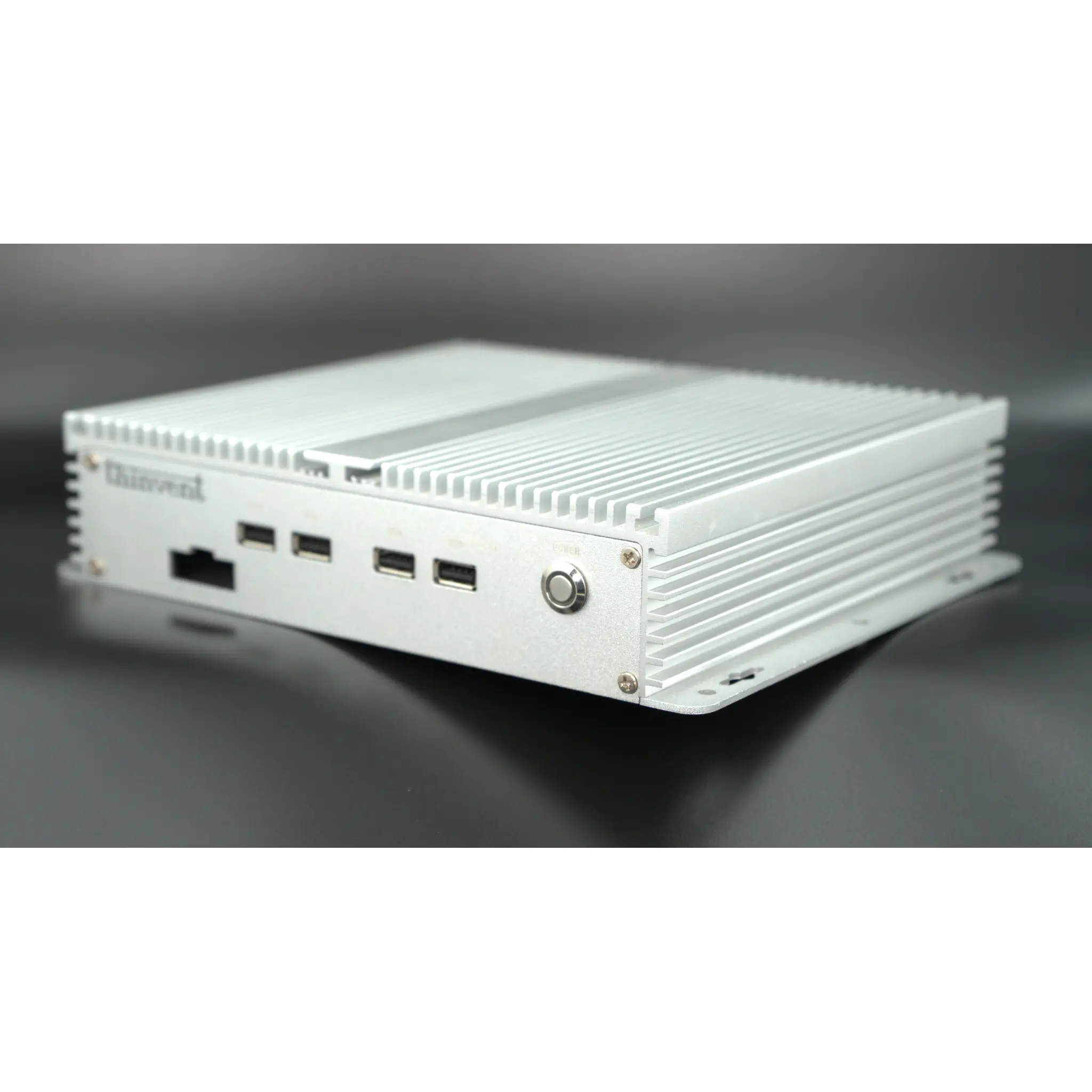
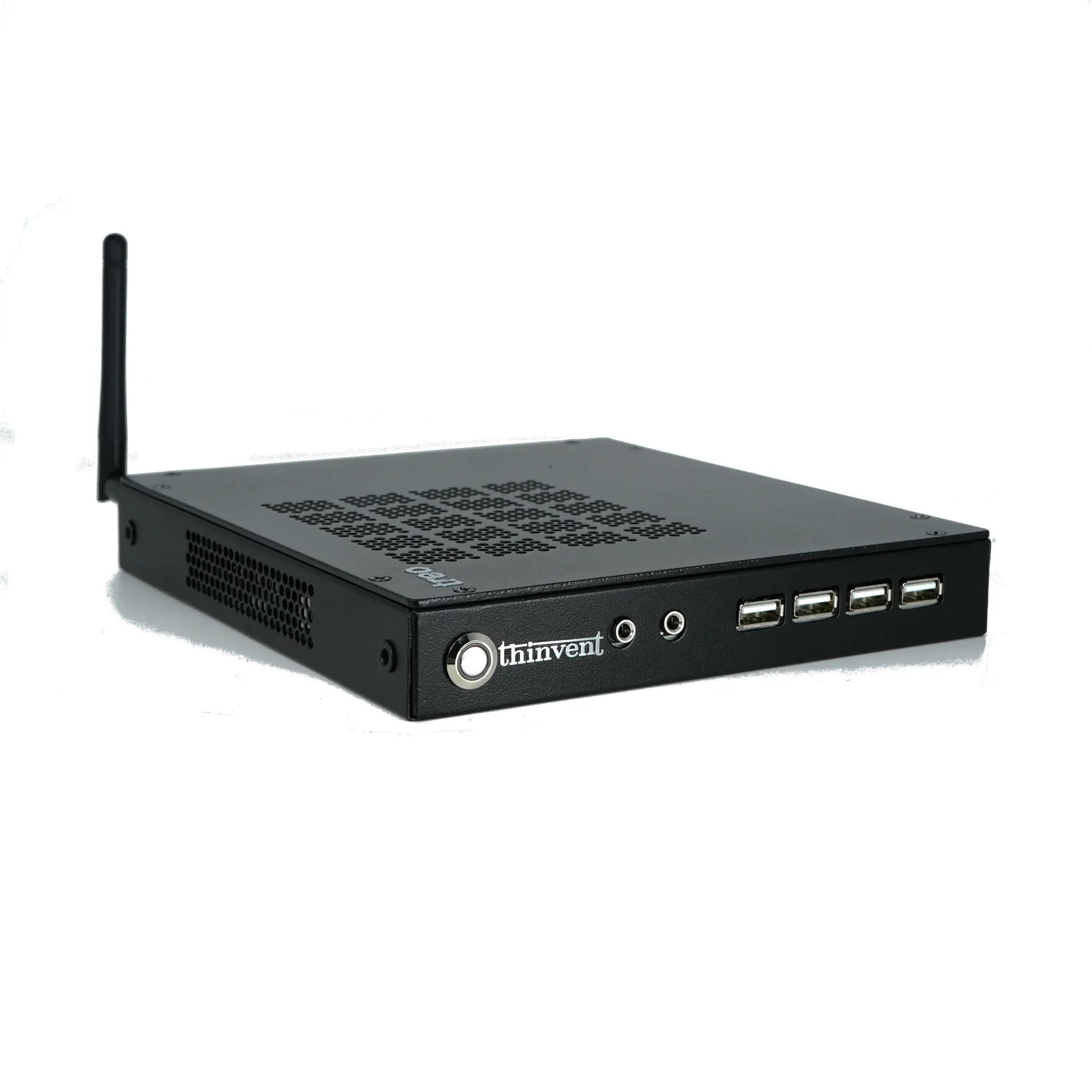
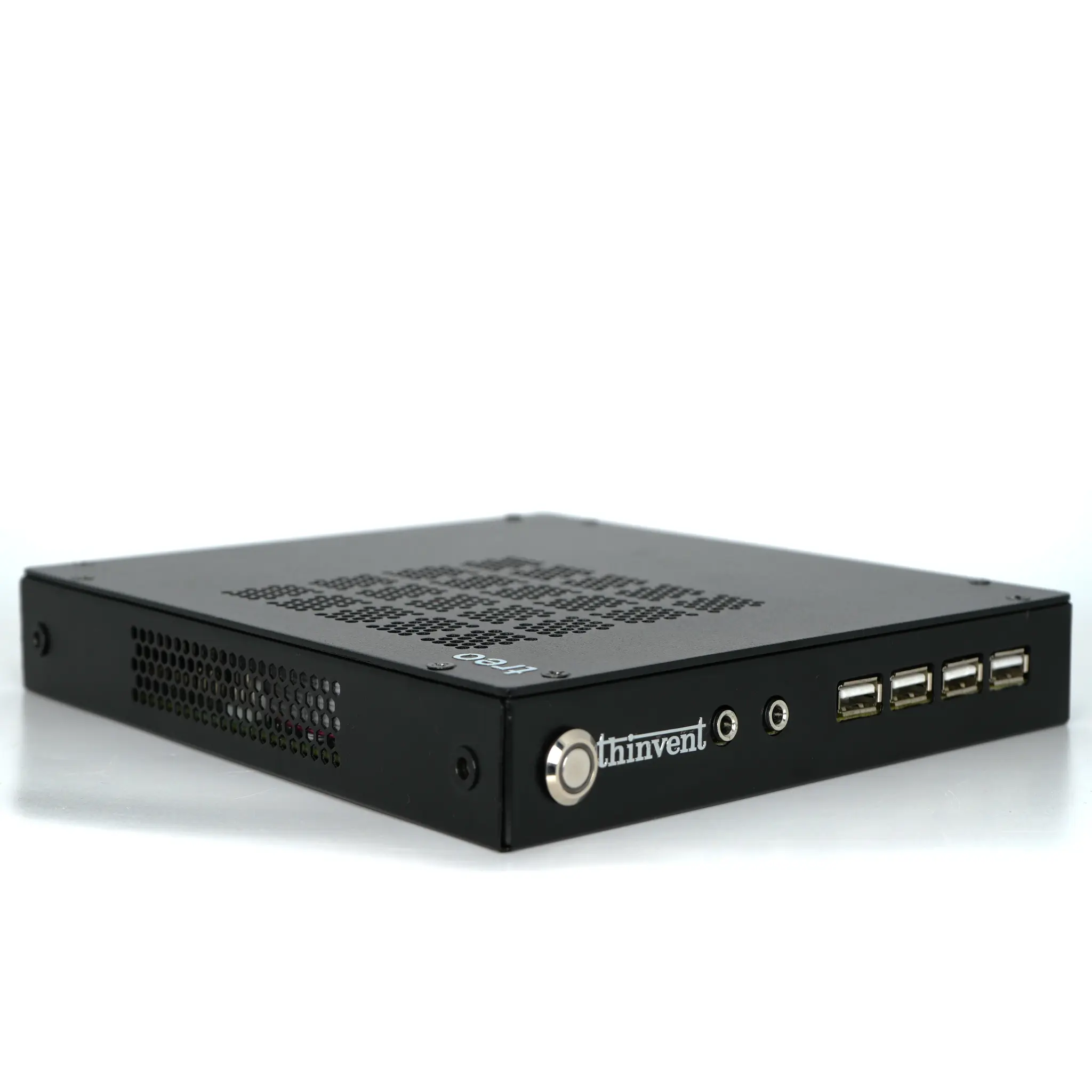
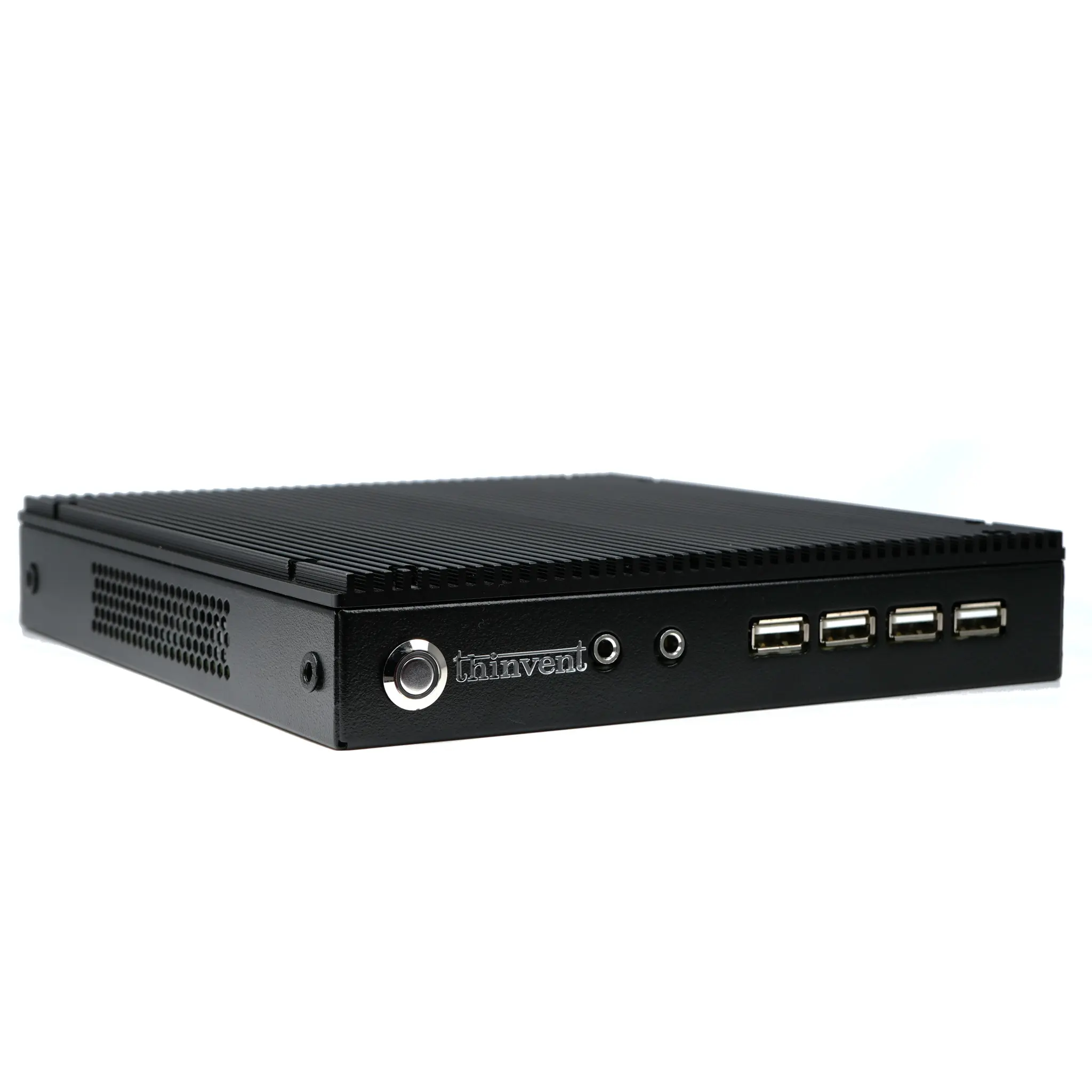
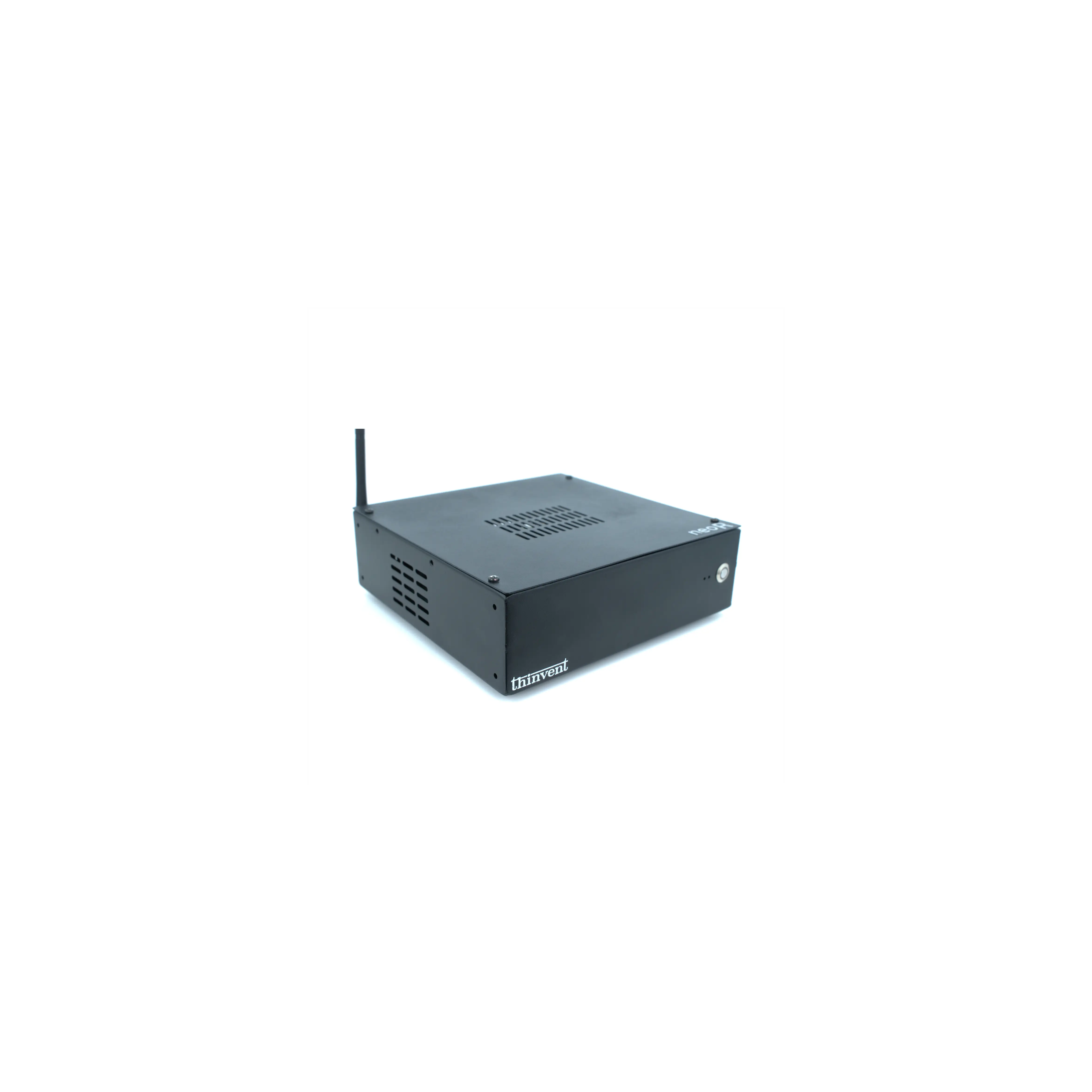
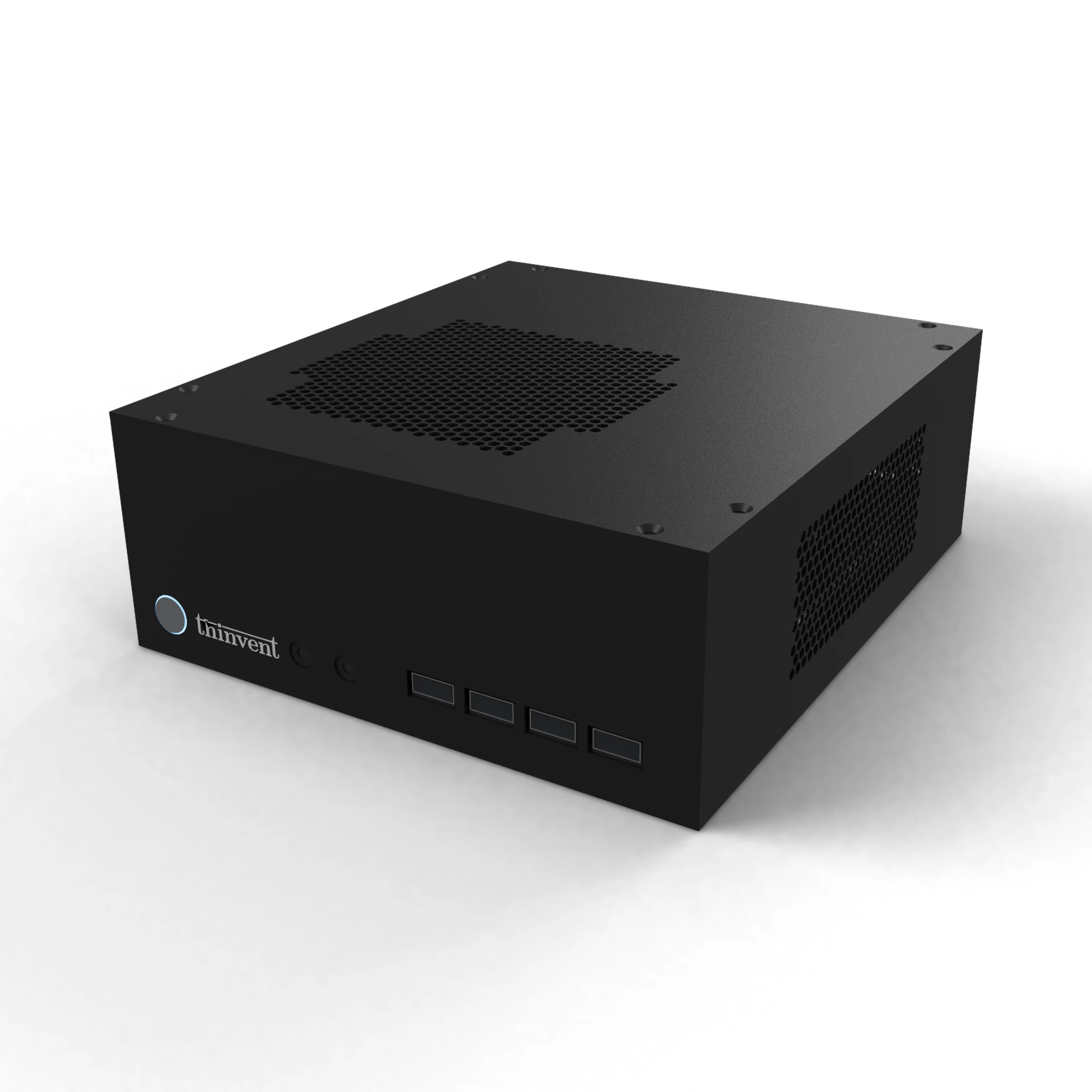
Thinvent offers robust and reliable industrial computing solutions built around configurations like the one detailed above. Our Thinvent® Aero Mini PC series exemplifies this approach, featuring the efficient Intel® N100 processor in a compact, fanless chassis designed for harsh environments. These systems come pre-configured with your choice of operating system—Windows, Linux, or DOS—and can be bundled with essential peripherals for a turnkey deployment. Thinvent's IPCs are engineered for durability and continuous operation, making them ideal for factory automation, kiosks, transportation, and other demanding industrial applications worldwide. Contact our technical sales team for a customized quotation tailored to your specific project requirements.