What is a RAID 1 PC?
A RAID 1 PC is a computer system configured with a Redundant Array of Independent Disks (RAID) Level 1 setup. This configuration, often called "disk mirroring," involves using two or more storage drives (typically SSDs or HDDs) where data is written identically to each drive simultaneously. The primary purpose is to provide real-time data redundancy. If one drive fails, the system continues to operate seamlessly using the mirrored drive, ensuring zero downtime and preventing data loss. This is a critical feature for industrial and business applications where data integrity and system uptime are non-negotiable.
Key Specifications and Technical Details
Industrial PCs suitable for RAID 1 are built with specific hardware to support this configuration reliably. Key features include:
-
Multiple SATA/M.2 Ports: The motherboard must have multiple independent storage interfaces to connect the drives for mirroring.
-
Hardware RAID Controller: Some systems include a dedicated chip on the motherboard to manage the RAID array independently of the CPU, improving performance and reliability. Software RAID managed by the operating system is also common.
-
Robust Power Supply: A stable and sufficient power supply is crucial to ensure both mirrored drives receive consistent power, preventing corruption.
-
Industrial-Grade Components: For 24/7 operation in harsh environments, features like wide temperature tolerance, fanless cooling, and shock/vibration resistance are essential.
-
Operating System Support: The OS must support RAID configuration, whether through hardware drivers or built-in software management (common in Windows Pro/Enterprise and Linux distributions).
Use Cases and Applications
RAID 1 PCs are indispensable in scenarios where data availability is critical:
-
Digital Signage & Kiosks: Ensures continuous operation for public displays and transactional terminals.
-
Industrial Automation & Control: Protects process data and machine programming in manufacturing.
-
Point-of-Sale (POS) Systems: Safeguards transaction records and inventory databases.
-
Surveillance & NVRs: Maintains continuous video recording archives for security.
-
Edge Computing & IoT Gateways: Secures data collected from sensors before transmission to the cloud.
-
Thin Client Servers: Provides fault tolerance for host systems in virtual desktop infrastructure (VDI).
RAID 1 vs. Other Common RAID Levels
| RAID Level | Name | Minimum Drives | Key Benefit | Best For |
|---|---|---|---|---|
| RAID 1 | Mirroring | 2 | High data redundancy & fault tolerance. Simple recovery. | Critical applications where uptime and data protection are paramount. |
| RAID 0 | Striping | 2 | Maximum performance & capacity. | Non-critical applications requiring high speed, like video editing caches. |
| RAID 5 | Striping with Parity | 3 | Balance of performance, capacity, and redundancy. | File and application servers where capacity and cost are considerations. |
| RAID 10 (1+0) | Mirroring & Striping | 4 | High performance + high redundancy. Combines RAID 1 & RAID 0. | High-demand databases and enterprise applications. |
Thinvent Industrial PCs with RAID 1 Capability
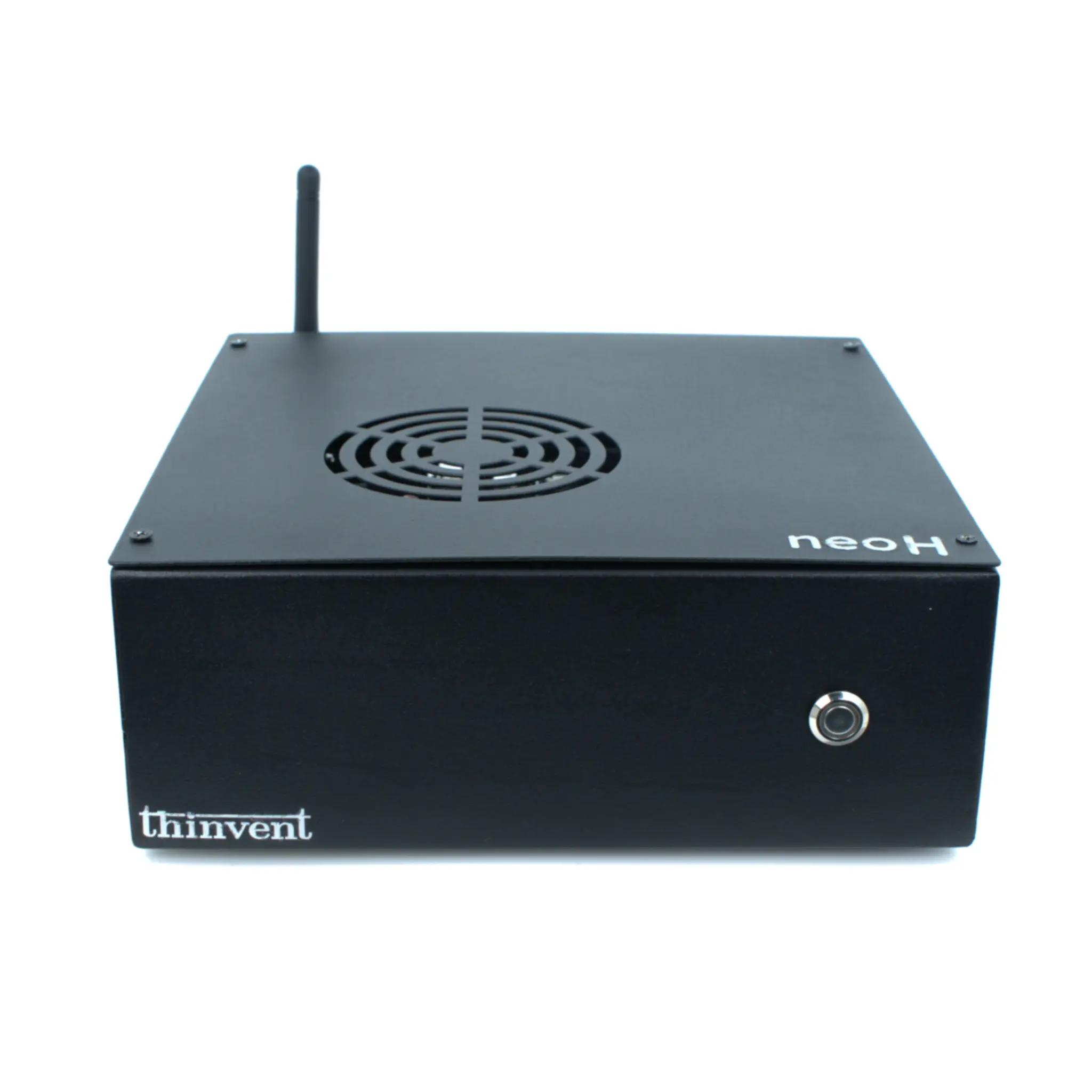
Thinvent designs robust industrial computing solutions that are ideal for implementing RAID 1 configurations. Our product range includes Industrial PCs, Mini PCs, and All-in-One systems built with the necessary hardware foundations—such as multiple storage bays and reliable Intel processors—to support mirrored storage setups. These systems feature fanless designs for silent, maintenance-free operation in demanding environments and are tested for long-term reliability. Whether for a secure digital signage network, a fault-tolerant factory control station, or a resilient edge server, Thinvent provides the durable hardware platform upon which you can build your redundant storage solution.