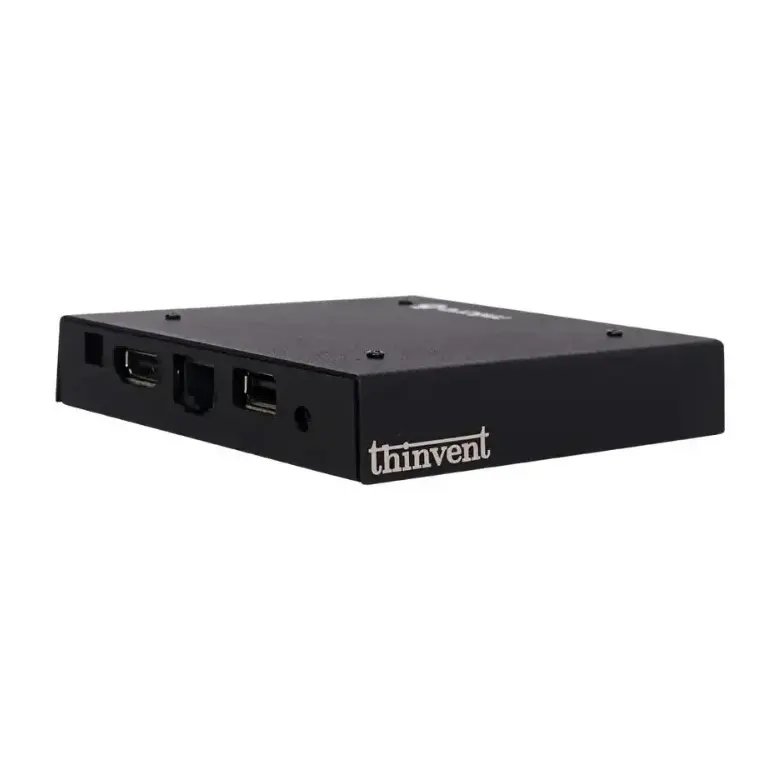
What is a Fanless PC?
A Fanless PC, or "PC Senza Ventola," is a computer system engineered to operate without any internal moving cooling fans. Instead, it relies on passive cooling techniques, such as advanced heat sinks and thermally conductive chassis designs, to dissipate heat. This fundamental design choice eliminates points of failure associated with fans, such as dust clogging, bearing wear, and motor burnout, resulting in a system renowned for exceptional reliability and silent operation.
Key Specifications and Technical Advantages
The core of a modern fanless PC is typically a low-power, high-efficiency processor from Intel's N-series (like the N100 or N95) or similar ARM-based chips. These CPUs generate minimal heat, making passive cooling highly effective. Key specifications include:
-
Rugged Construction: Often housed in all-metal, IP-rated enclosures for protection against dust and moisture.
-
Wide Temperature Range: Certified to operate reliably in extreme temperatures, from well below freezing to high industrial heat.
-
Shock & Vibration Resistance: With no spinning disks (if using SSD storage) or fans, these systems withstand harsh physical environments.
-
Rich I/O Connectivity: Multiple Ethernet ports (including PoE options), USB, serial ports (COM), and display outputs (HDMI, DP) are standard for industrial integration.
-
Flexible Power Input: Supports wide-range DC input (e.g., 9-36V DC) for vehicle or unstable power grid applications.
Primary Use Cases and Applications
The silent and robust nature of fanless PCs makes them ideal for environments where reliability is paramount.
-
Industrial Automation: As PLCs, HMIs, or gateways on the factory floor, immune to conductive dust and metal shavings.
-
Digital Signage & Kiosks: Silent operation is crucial for retail, museums, and public transportation info points.
-
IoT Edge Computing: Deployed in remote or outdoor locations for data acquisition and control in smart city, agricultural, or energy projects.
-
In-Vehicle Computing: Used in fleet management, public transit, and emergency vehicles, handling vibration and wide temperature swings.
-
Clean & Quiet Environments: Essential in medical facilities, laboratories, recording studios, and libraries.
Comparison: Fanless vs. Traditional Air-Cooled PCs
| Feature | Fanless Industrial PC | Traditional Air-Cooled PC |
|---|---|---|
| Cooling Method | Passive (Heat Sinks) | Active (Fans) |
| Noise Level | Silent (0 dB) | Audible to Loud |
| Dust & Debris | Highly Resistant (Sealed) | Vulnerable (Intakes) |
| Mechanical Failure Points | None (No Moving Parts) | Fans, HDD Spindles |
| Typical Operating Temp Range | -40°C to 70°C+ | 5°C to 40°C |
| Maintenance | Minimal to None | Regular Dust Cleaning |
| Best For | Harsh, Unattended, Quiet Zones | Office, Controlled Environments |
Thinvent Fanless Computing Solutions
Thinvent specializes in high-performance, reliable fanless computers designed for demanding industrial and commercial deployments. Our product range includes compact Fanless Mini PCs and robust Fanless Industrial PCs, powered by efficient Intel processors from the N-series up to Core i5. These systems are built with durability as a core principle, featuring all-aluminum chassis for optimal heat dissipation, wide voltage input support, and a selection of operating systems to match your project needs. Whether for a digital signage network, a factory automation cell, or a remote monitoring station, Thinvent's fanless solutions deliver uncompromising performance without the noise or maintenance concerns of traditional cooling.