Choosing between a desktop PC and a laptop is a fundamental decision that depends on your specific needs for performance, portability, and use case. While traditional desktops and laptops are well-known, modern computing solutions like mini PCs and industrial computers offer compelling alternatives that blend the strengths of both.
Performance and Upgradability Desktop PCs, including modern compact and industrial form factors, typically offer superior performance and thermal management due to larger chassis that accommodate more powerful processors, better cooling, and higher-wattage power supplies. They are also far more upgradeable, allowing users to easily swap out components like RAM, storage, and expansion cards. Laptops prioritize portability, which often limits their thermal headroom and performance ceiling. Their components are usually soldered, making upgrades difficult or impossible.
Portability and Space Efficiency Laptops are the clear winner for mobility, integrating the display, keyboard, and trackpad into a single, battery-powered unit. However, modern Mini PCs redefine space efficiency for stationary setups. These devices, often smaller than a book, offer desktop-like performance while consuming minimal desk space. They are perfect for digital signage, kiosks, office workstations, or home entertainment centers where a traditional tower is too bulky, but a laptop's integrated screen and keyboard are not needed.
Durability and Use Cases For demanding environments like factories, retail, or outdoor installations, Industrial PCs are purpose-built. They feature fanless designs for silent, dust-resistant operation, wide operating temperature ranges, and robust construction to ensure 24/7 reliability. Laptops and consumer desktops are not designed for such harsh conditions. Laptops excel in business travel, education, and general home use where mobility is key, while desktops and their compact variants are ideal for fixed-location tasks requiring sustained performance, multiple monitor setups, or specialized I/O.
Cost and Long-Term Value Initially, desktops and mini PCs often provide better performance per dollar than an equivalently priced laptop. Their modular nature also extends their lifespan, as individual components can be replaced. A laptop's entire system usually needs replacement for a major upgrade. For large-scale commercial deployments like thin client networks or digital signage arrays, compact and industrial PCs offer significant long-term value through reliability, manageability, and lower total cost of ownership.
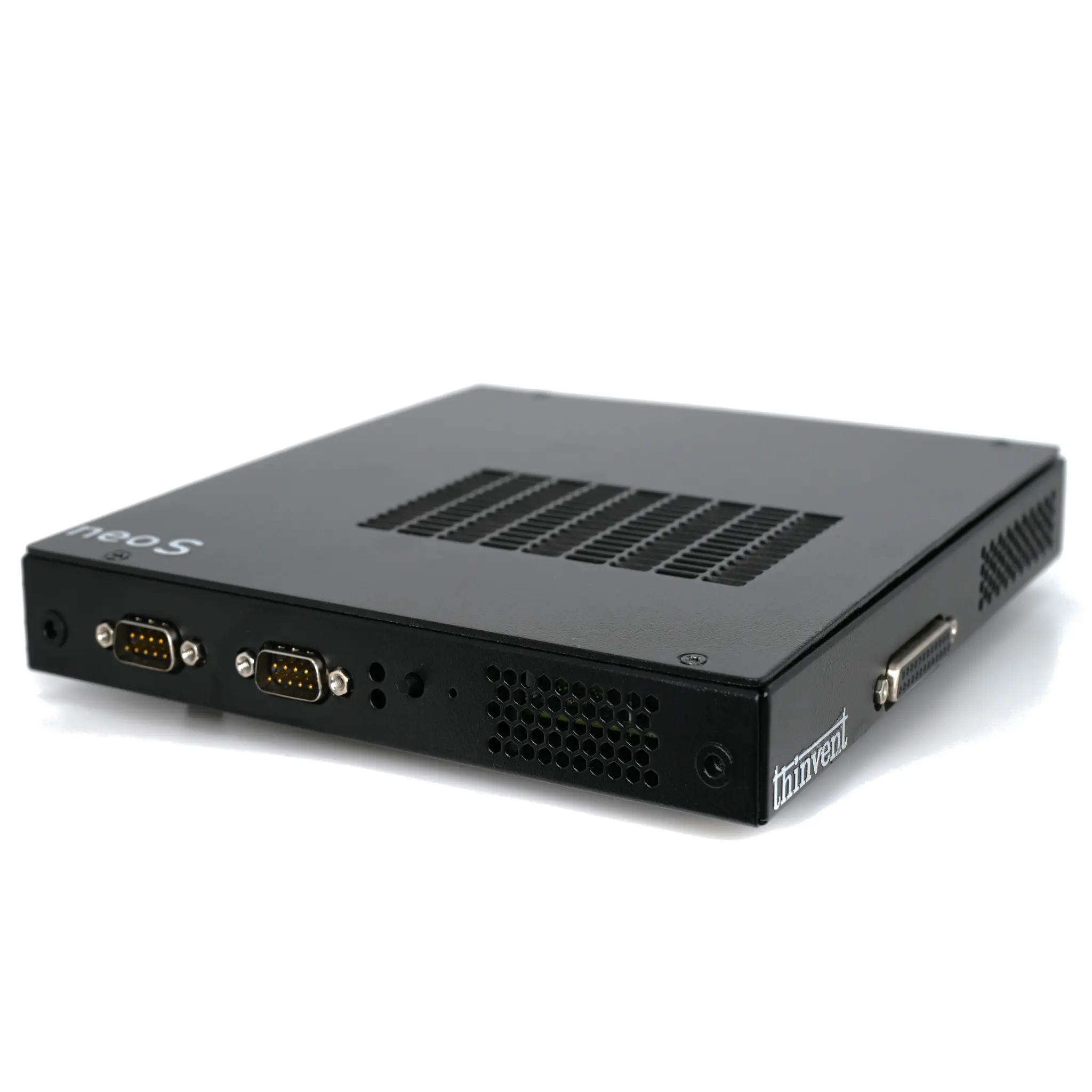
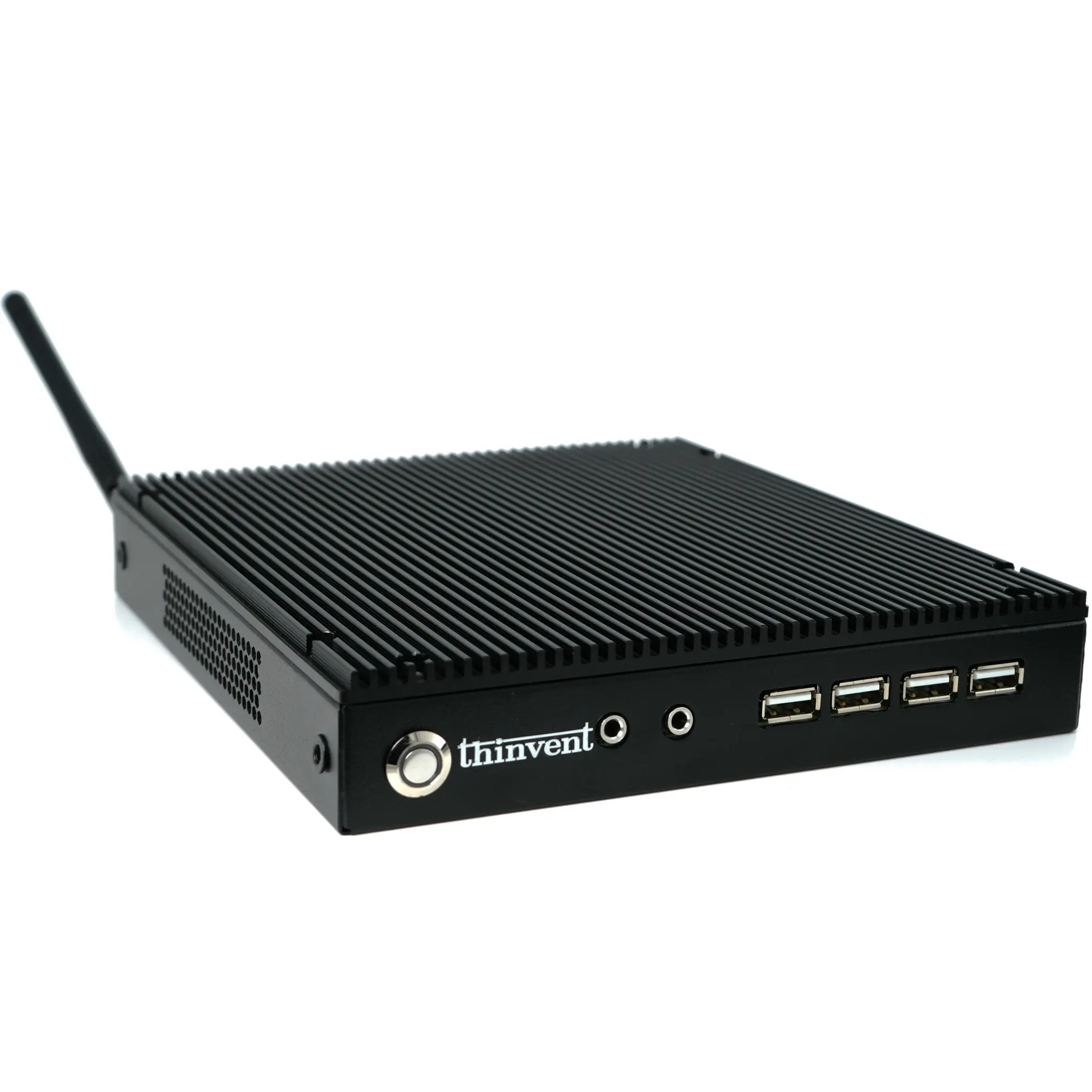
Thinvent's Compact Computing Solutions Thinvent specializes in robust, space-saving computing solutions that fit into the desktop category but offer unique advantages. Our product range includes:
-
Mini PCs: Like the Treo and Aero series, these deliver efficient Intel Core or N-series processor performance in an ultra-compact form factor, ideal for office productivity, media centers, and light business applications.
-
Industrial PCs: Such as the IPC series, built for 24/7 operation in challenging environments with fanless cooling, wide voltage input, and support for industrial operating systems.
-
Thin Clients: Including the Micro series with ARM processors, designed for secure, centralized virtual desktop environments, offering low power consumption and easy management.
These devices provide the core benefits of a desktop—performance, stability, and easy connectivity—while minimizing footprint and, in many cases, offering enhanced durability over standard consumer hardware.