Compact Mini PCs: Space-Saving Powerhouses
Compact Mini PCs are small-form-factor desktop computers designed to deliver substantial computing power while occupying minimal desk space. Unlike traditional bulky towers, these devices are often no larger than a book, making them ideal for modern home offices, corporate workstations, digital signage, and educational environments. They offer a perfect balance of performance, energy efficiency, and a clutter-free aesthetic, providing a full desktop experience without the footprint.
Key Specifications and Technical Details
These systems are built around efficient processors, ranging from low-power ARM architectures for basic tasks to powerful Intel Core processors for demanding applications. Key specifications typically include:
-
Processors: Options span from ARM Cortex (A53, A55) for lightweight computing to Intel processors (N100, Core i3/i5) for enhanced performance.
-
Memory & Storage: Configurations vary from 2GB/4GB RAM with 16GB/64GB eMMC storage for thin clients, to 16GB DDR4 RAM with 512GB SSDs for intensive workloads.
-
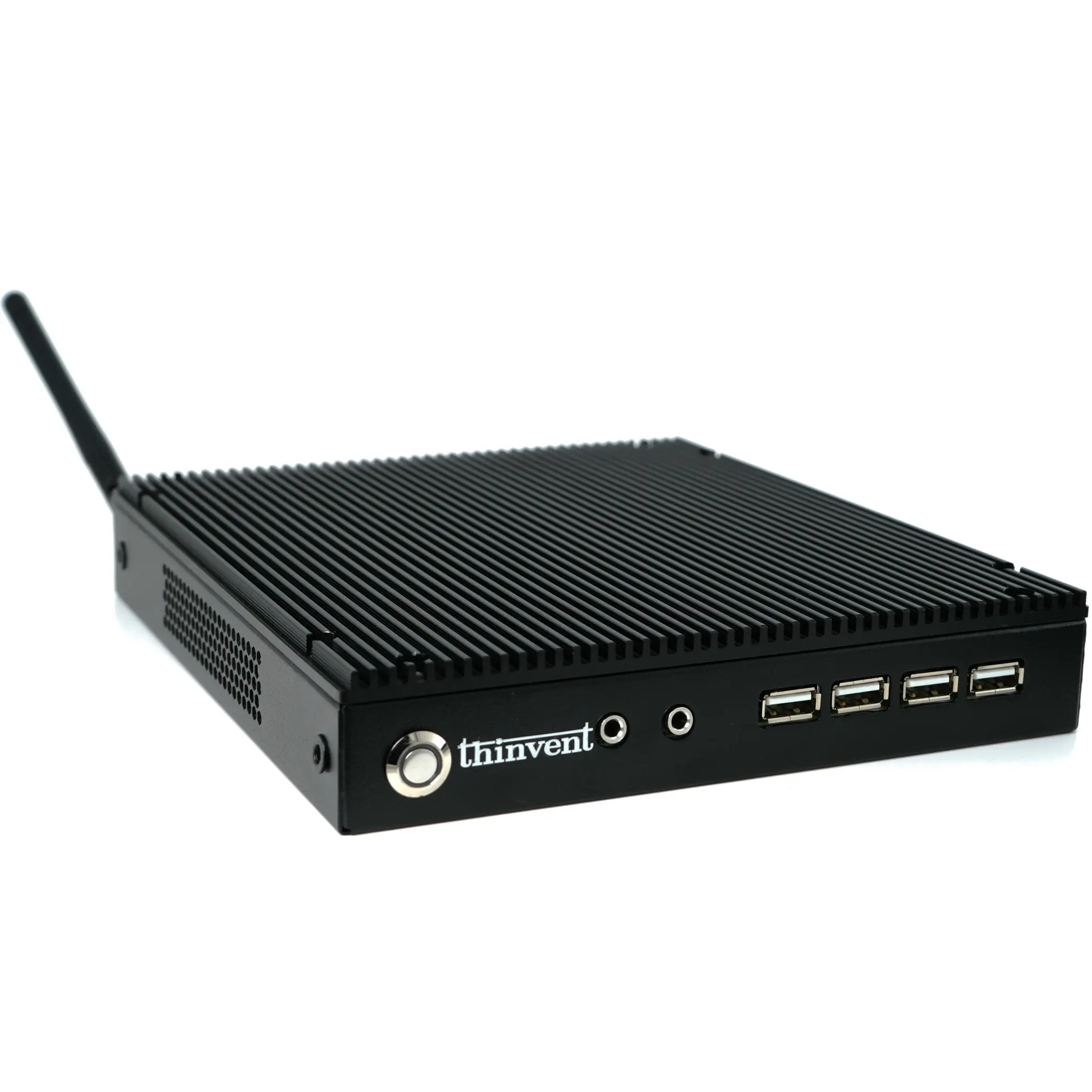
Connectivity: Standard features include HDMI output, USB ports, and optional dual-band Wi-Fi for wireless connectivity.
-
Power & OS: They operate on low-voltage adapters (e.g., 5V/12V) and can run embedded Linux (like Thinux™), Ubuntu, or Windows 11, offering flexibility for different user needs.
Ideal Use Cases and Applications
The versatility of compact Mini PCs makes them suitable for a wide array of applications:
-
Home & Office Computing: Perfect for everyday tasks like web browsing, document editing, video conferencing, and as a central media hub.
-
Digital Signage & Kiosks: Their small size allows for discreet mounting behind monitors or in public displays for advertising and information.
-
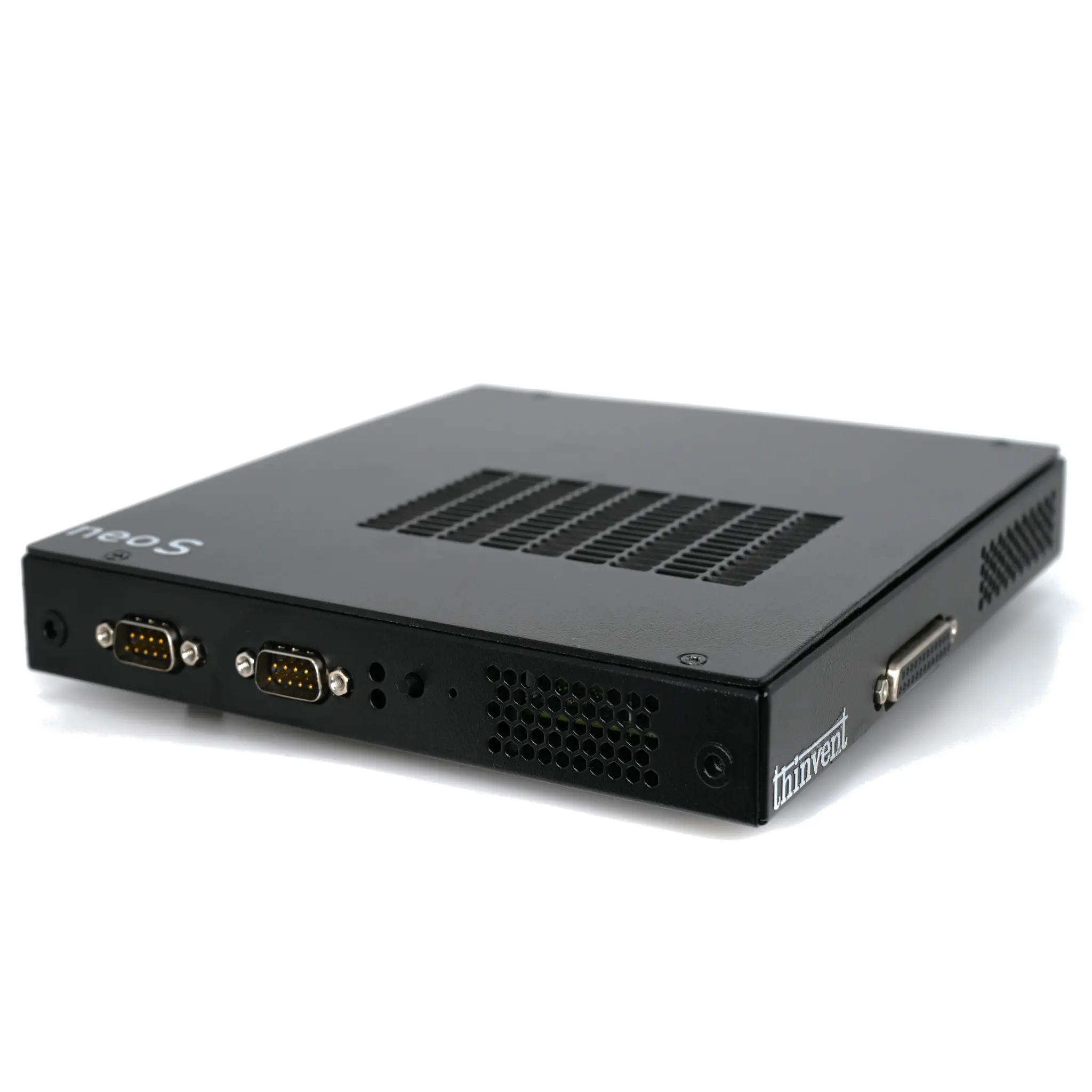
Light Industrial & Edge Computing: Fanless and ruggedized models can operate reliably in environments where space, dust, or noise is a concern.
-
Thin Client & Virtual Desktop Infrastructure (VDI): Lower-powered models are excellent endpoints for accessing cloud-based or virtualized desktop environments securely.
Comparison of Compact Mini PC Types
| Feature | Basic Thin Client / Mini PC | Performance Mini PC | Industrial-Grade Mini PC |
|---|---|---|---|
| Typical Processor | ARM Cortex A53/A55 | Intel N100 / Core i3 | Intel Core i5 / i7 (P/U-series) |
| Best For | Web browsing, VDI, digital signage | Office productivity, media playback | CAD, software development, edge servers |
| Power Consumption | Very Low (5V-12V) | Low to Moderate | Moderate |
| Form Factor | Ultra-Compact | Compact | Compact, often fanless |
| Example OS | Thinux™ Embedded Linux | Ubuntu / Windows 11 | Windows 11 IoT / Ubuntu |
Thinvent's Range of Compact Mini PCs
Thinvent offers a comprehensive portfolio of compact Mini PCs engineered for reliability and diverse performance needs. Our lineup includes the ultra-efficient Micro series (Micro 5 Wifi, Micro 6 Pro) based on ARM processors, ideal for thin client and lightweight computing tasks. For more robust home and office performance, the Treo Mini PC and Aero Mini PC feature Intel processors like the N100 and Core i3/i5, providing excellent speed for everyday applications. For demanding commercial and industrial environments, our Industrial PC (IPC) series, such as the IPC5 with a 12th Gen Intel Core i5 processor, delivers high-performance computing in a durable, compact chassis. All Thinvent products are designed for global deployment, offering energy-efficient operation, multiple operating system choices, and the reliability required for continuous use in any setting.