Understanding Personal Computer Pricing
Personal computers vary widely in price based on their intended use, performance capabilities, and hardware configuration. Entry-level PCs, such as thin clients and basic mini PCs, are designed for light tasks like web browsing, office applications, and digital signage. These typically feature low-power processors (like ARM Cortex or Intel N-series), 2–8 GB of RAM, and 64 GB or less of storage, making them highly cost-effective. Mid-range personal computers often include Intel Core i3 or i5 processors, 8–16 GB RAM, and 256–512 GB SSDs, suitable for multitasking, content consumption, and moderate productivity. High-performance PCs with Core i7 or i9 processors, 32 GB+ RAM, and dedicated graphics are built for demanding applications like video editing, 3D modeling, and gaming, commanding a higher price point.
Key Factors Influencing PC Prices
Several technical specifications directly impact the cost of a personal computer. The processor brand and model are primary drivers—Intel Core i5 and i7 series typically cost more than N-series or ARM processors due to higher core counts, clock speeds, and cache sizes. Memory (RAM) and storage (SSD capacity) also significantly affect pricing; doubling RAM from 8 GB to 16 GB, or upgrading from a 128 GB to a 512 GB SSD, increases the overall price. Form factor plays a role too—mini PCs and thin clients are generally more affordable than larger desktops or all-in-ones, as they use compact, power-efficient components. Additionally, included peripherals, operating system licenses (Windows vs. Linux), and connectivity options (WiFi, USB-C, HDMI ports) add to the total cost.
Use Cases and Application Scenarios
Personal computers serve diverse environments, from home offices to industrial settings. Affordable thin clients and mini PCs are ideal for education, call centers, and retail point-of-sale systems, where reliability and low power consumption are prioritized. Mid-range PCs excel in small business offices, software development, and media consumption, offering a balance of performance and cost. For specialized applications like medical imaging, financial trading, or engineering simulations, higher-spec PCs with robust processors and ample memory are necessary. Thinvent’s lineup covers all these segments, providing tailored solutions whether you need a fanless, silent PC for a library or a rugged industrial computer for a factory floor.
Comparison of Personal Computer Tiers
| Tier | Typical Processor | RAM | Storage | Use Cases | Price Range |
|---|---|---|---|---|---|
| Entry-Level | ARM Cortex A53/A55, Intel N100 | 2–8 GB | 16–128 GB eMMC/SSD | Web browsing, office tasks, digital signage | Low |
| Mid-Range | Intel Core i3, i5 (12th Gen) | 8–16 GB | 256–512 GB SSD | Multitasking, productivity, light creative work | Medium |
| High-Performance | Intel Core i5/i7 (13th/14th Gen) | 16–64 GB | 512 GB–1 TB SSD | Video editing, 3D modeling, intensive computing | High |
Thinvent’s Range of Personal Computers
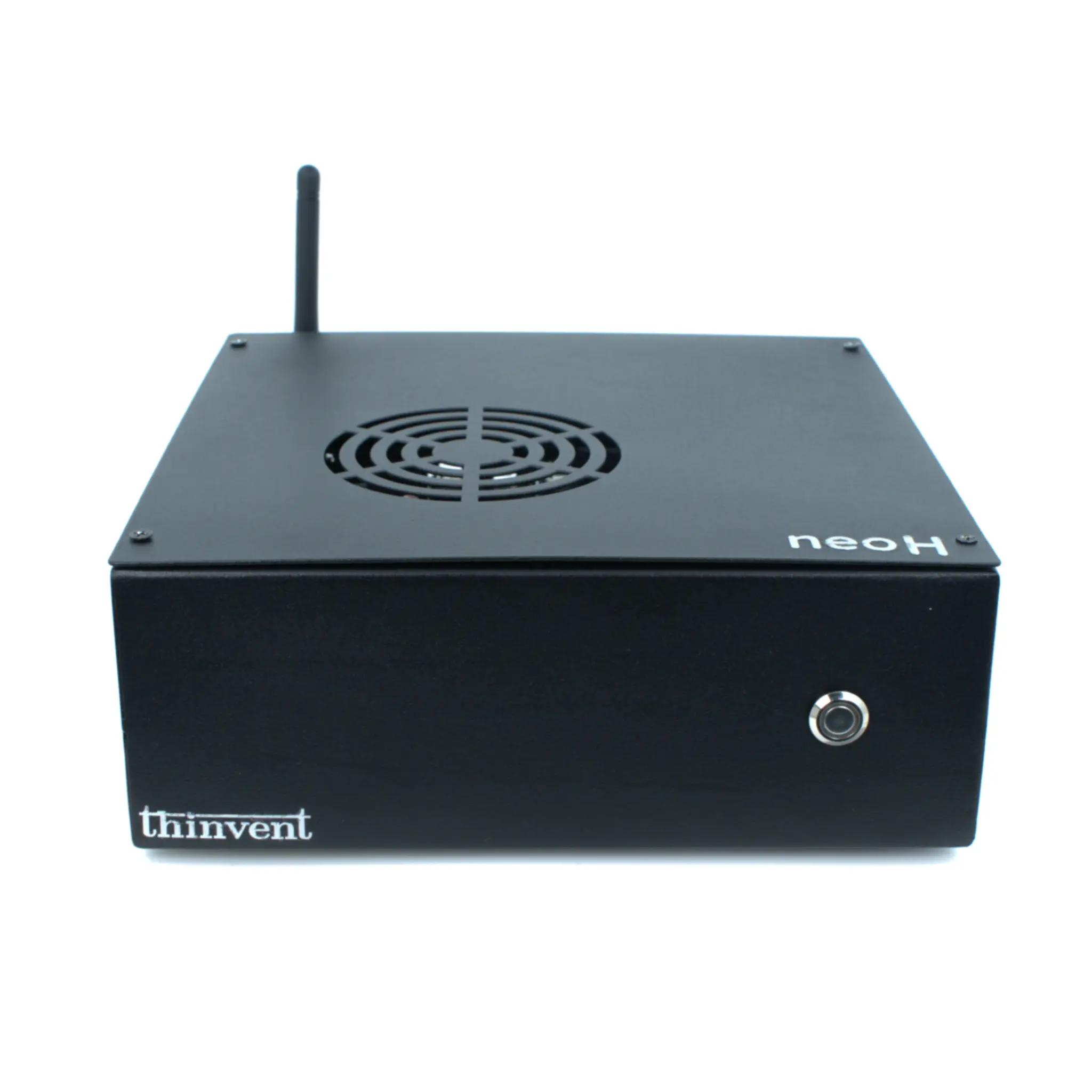
Thinvent offers a comprehensive selection of personal computers designed to meet varying performance needs and budgets. From the Micro 5 and Micro 6 Pro thin clients with ARM processors for energy-efficient computing, to the Treo and Aero mini PCs powered by Intel N-series and Core processors for everyday productivity, and the Industrial PC series (IPC1, IPC3, IPC5) for rugged, high-reliability environments, every system is built with quality components. Thinvent’s PCs come with flexible operating system options including Windows 11 Pro, Ubuntu Linux, or without OS, ensuring you get the right configuration for your application. Explore our catalog to find a personal computer that balances price and performance for your specific requirements.