Understanding Industrial CPU Performance and Pricing
The price of an industrial computer's CPU is intrinsically linked to its performance, which is determined by a combination of factors including core architecture, clock speed, thermal design power (TDP), and the specific demands of the intended application. Unlike consumer-grade processors, industrial CPUs are selected for long-term reliability, extended temperature ranges, and stable operation in harsh environments, which influences their cost structure. Performance is not a single metric but a spectrum, ranging from ultra-low-power ARM processors for simple digital signage to high-performance Intel Core i5 and i7 chips for complex machine vision and automation.
Key Specifications Driving Performance and Cost
The primary specifications that define an industrial CPU's capability and price point are:
-
Processor Brand & Architecture: Intel x86 and ARM are the dominant architectures. Intel processors (Celeron, Core i3/i5) offer high single-thread performance and broad software compatibility, typically at a higher cost. ARM processors (Cortex-A series) provide exceptional power efficiency and lower cost for lightweight, dedicated tasks.
-
Core Count & Threads: More cores allow for better multitasking and parallel processing. A 4-core Intel N100 is sufficient for kiosks and thin clients, while a 12-core i5-1240P is necessary for data aggregation and edge computing.
-
Clock Speed (Frequency): Measured in GHz, this determines how quickly a core can execute instructions. Higher boost clocks (e.g., 5.0 GHz on a Core 5 120U) benefit single-threaded applications.
-
Thermal Design Power (TDP): Lower TDP (e.g., 6W-15W for N-series or ARM) enables fanless, silent operation crucial for dust-sensitive environments but may limit peak performance. Higher TDP chips (28W+) require active cooling but deliver greater computational power.
Application-Based Performance Tiers and Cost Implications
Selecting the right CPU involves matching performance to the use case to optimize value:
-
Entry-Level / Cost-Sensitive (ARM, Intel Celeron/N-series): Ideal for digital signage, thin client terminals, and basic HMIs. These systems prioritize low power consumption, fanless design, and low total cost of ownership.
-
Mainstream Industrial (Intel Core i3/i5, 10th-12th Gen): The workhorse for factory automation, PLC supervision, and ruggedized edge gateways. They balance good performance with industrial durability and a moderate price point.
-
High-Performance Edge (Intel Core i5/i7, 12th-14th Gen): Required for demanding applications like AI inference, advanced machine vision, and real-time analytics at the edge. These command a premium price for their superior computational throughput and support for faster memory and I/O.
Thinvent Industrial Computers: Performance Across the Spectrum
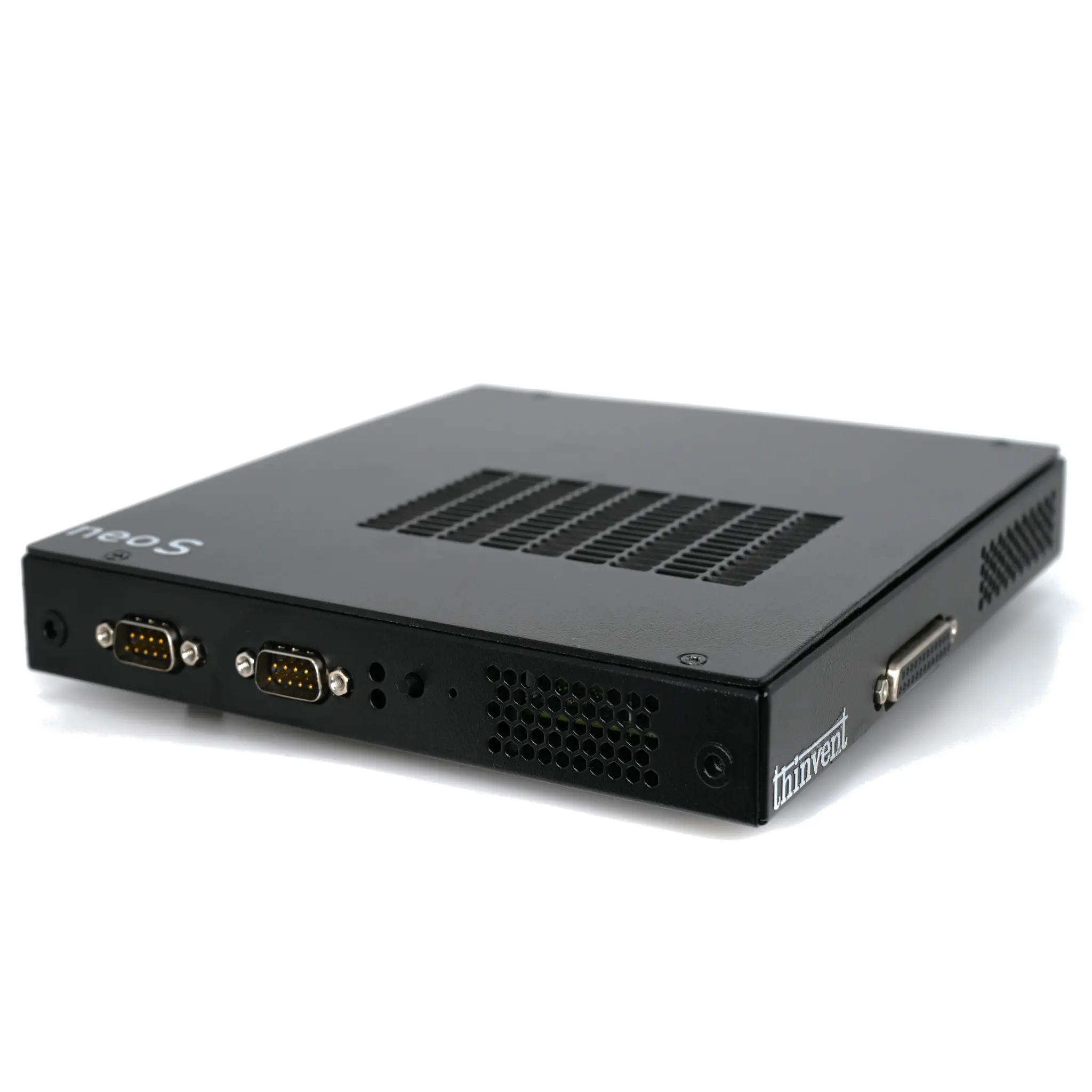
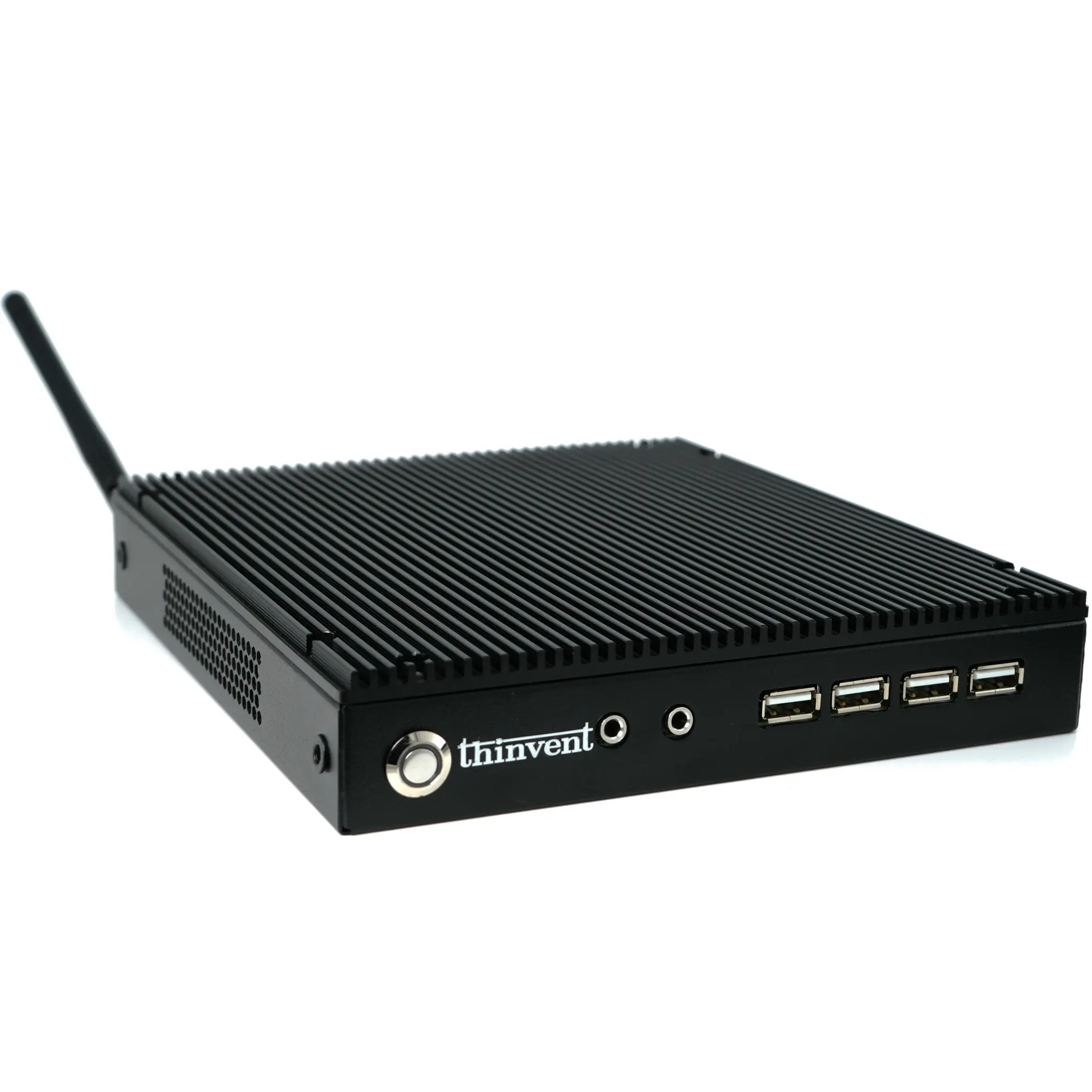
Thinvent offers a comprehensive range of industrial computing solutions to match every performance need and budget. Our product lines are engineered for reliability in challenging conditions.
-
For Lightweight & Fanless Operations: The Thinvent Micro series with ARM Cortex processors and the Treo/IPC1 series with Intel N100 CPUs provide efficient, silent operation for kiosks and thin clients.
-
For Balanced Industrial Workloads: The Thinvent IPC3 series featuring Intel Core i3-1215U processors delivers robust performance for automation and control systems.
-
For High-Performance Edge Computing: The Thinvent IPC5 series with Intel Core i5-1240P and the Aero series with latest-gen Intel Core 5 120U processors are built to handle intensive data processing and complex industrial applications with ease. By offering this spectrum, Thinvent ensures you invest in precisely the level of CPU performance your industrial application requires, without overpaying for unnecessary capability.