What is a Processor in a Computer?
The processor, or Central Processing Unit (CPU), is the primary component of a computer that executes instructions from software. It acts as the brain of the system, performing calculations, logical operations, and managing data flow between other hardware components. For industrial applications, the processor's reliability, thermal efficiency, and performance under sustained load are critical factors beyond raw speed.
Key Specifications and Technical Details
When selecting a processor for an industrial computer, several key specifications determine its suitability:
-
Cores and Threads: Modern processors feature multiple cores, allowing them to handle several tasks simultaneously. More cores are beneficial for multitasking and parallel processing.
-
Clock Speed (GHz): Measured in gigahertz, this indicates how many cycles a processor can execute per second. Higher speeds generally mean faster performance for single-threaded tasks.
-
Cache Memory: This is a small, high-speed memory located on the processor die. Larger cache sizes (e.g., 6MB, 12MB) allow the CPU to store frequently accessed data, significantly improving performance.
-
Thermal Design Power (TDP): This measures the maximum heat a processor is expected to generate. Lower TDP processors are ideal for fanless, compact designs common in industrial settings, as they require less cooling and offer higher reliability.
-
Instruction Set Architecture (ISA): Common architectures include x86 (Intel, AMD) and ARM. x86 is dominant in industrial PCs for software compatibility, while ARM is known for exceptional power efficiency.
Use Cases and Applications
The choice of processor directly impacts the computer's application:
-
Entry-Level / Edge Computing: Processors like the Intel N-series (e.g., N100) are perfect for digital signage, thin clients, kiosks, and basic IoT gateways. They offer excellent power efficiency for fanless operation.
-
Mid-Range / General Industrial: Intel Core i3 and i5 processors provide balanced performance for factory automation, machine vision, and interactive terminals.
-
High-Performance / AI Inference: Intel Core i7/i9 or high-core-count processors are necessary for demanding tasks like real-time data analytics, complex control systems, and light AI workloads at the edge.
Processor Comparison for Industrial Use
| Feature | Entry-Level (e.g., Intel N100) | Mid-Range (e.g., Intel i5) | High-Performance (e.g., Intel i7) |
|---|---|---|---|
| Typical Cores | 4 | 6-10 | 10-14+ |
| Power Efficiency | Excellent (Low TDP) | Good | Moderate to High |
| Ideal For | Kiosks, Thin Clients, Basic IoT | Automation, POS, Machine Vision | Data Analytics, Control Systems, AI |
| Cooling | Fanless (Passive) | Active or Fanless | Typically Active |
| Use Case Example | Running a single display application | Running multiple factory HMI screens | Processing sensor data in real-time |
Thinvent Industrial Computers with Optimized Processors
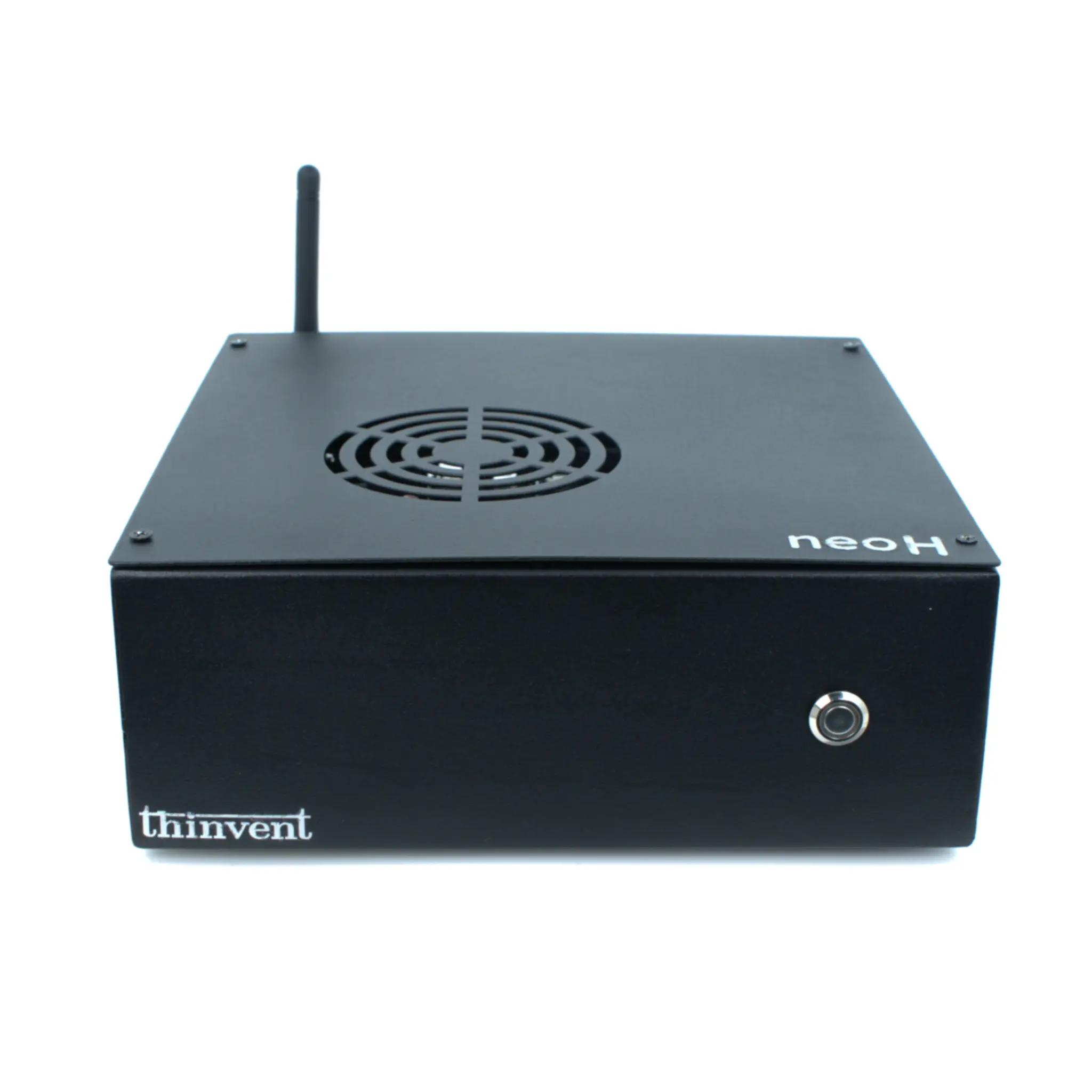
Thinvent designs its industrial computing solutions around processors chosen for specific operational demands. Our product range includes fanless mini PCs powered by efficient Intel N-series CPUs for harsh environments, robust industrial PCs with Intel Core processors for scalable performance, and compact systems built for reliability. Each system is engineered to leverage the full potential of its processor, ensuring stable operation in temperature-variable, dusty, or high-vibration industrial settings. Explore our catalog to find the perfect processing power for your application.