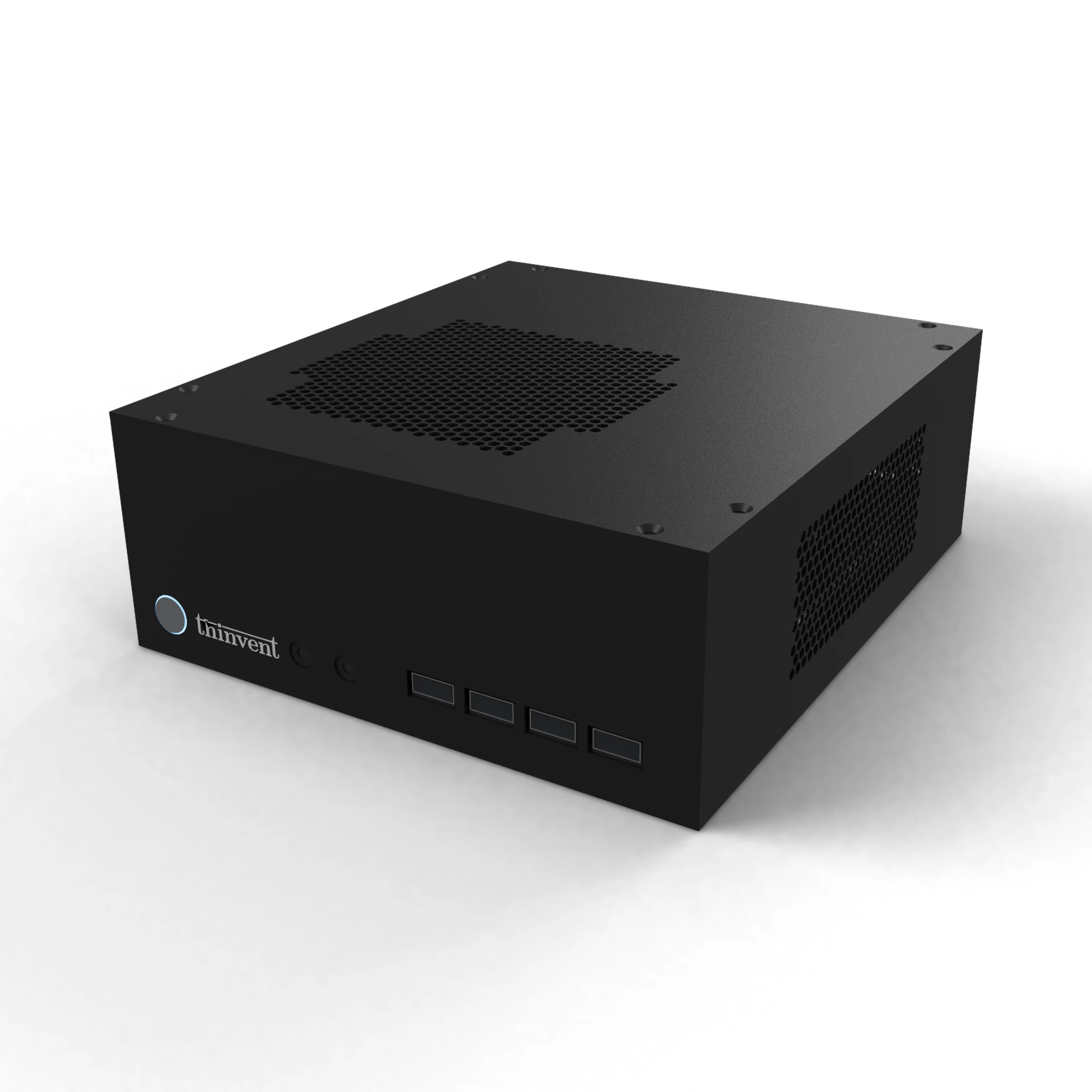
What Are Rugged Rack Mount Computers?
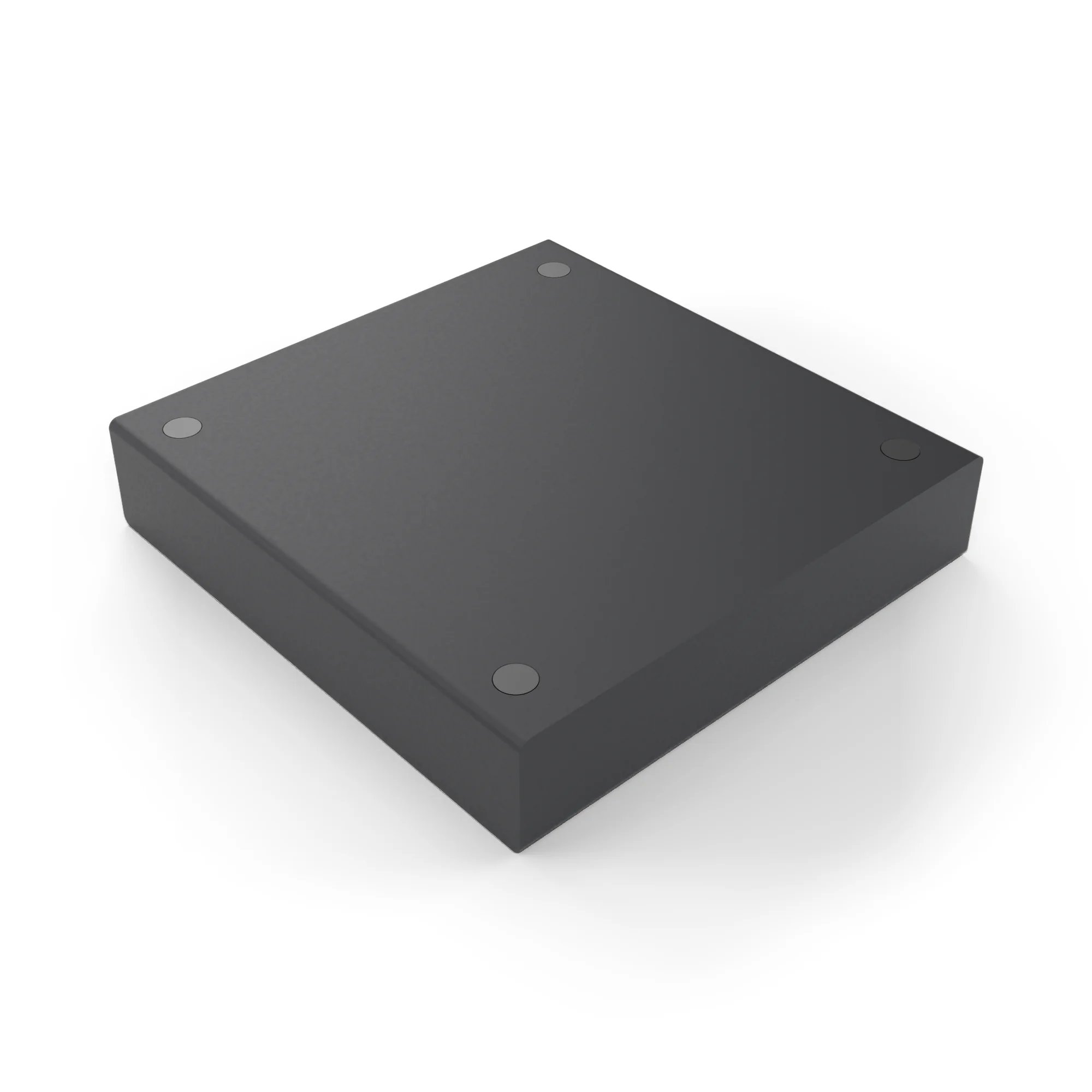
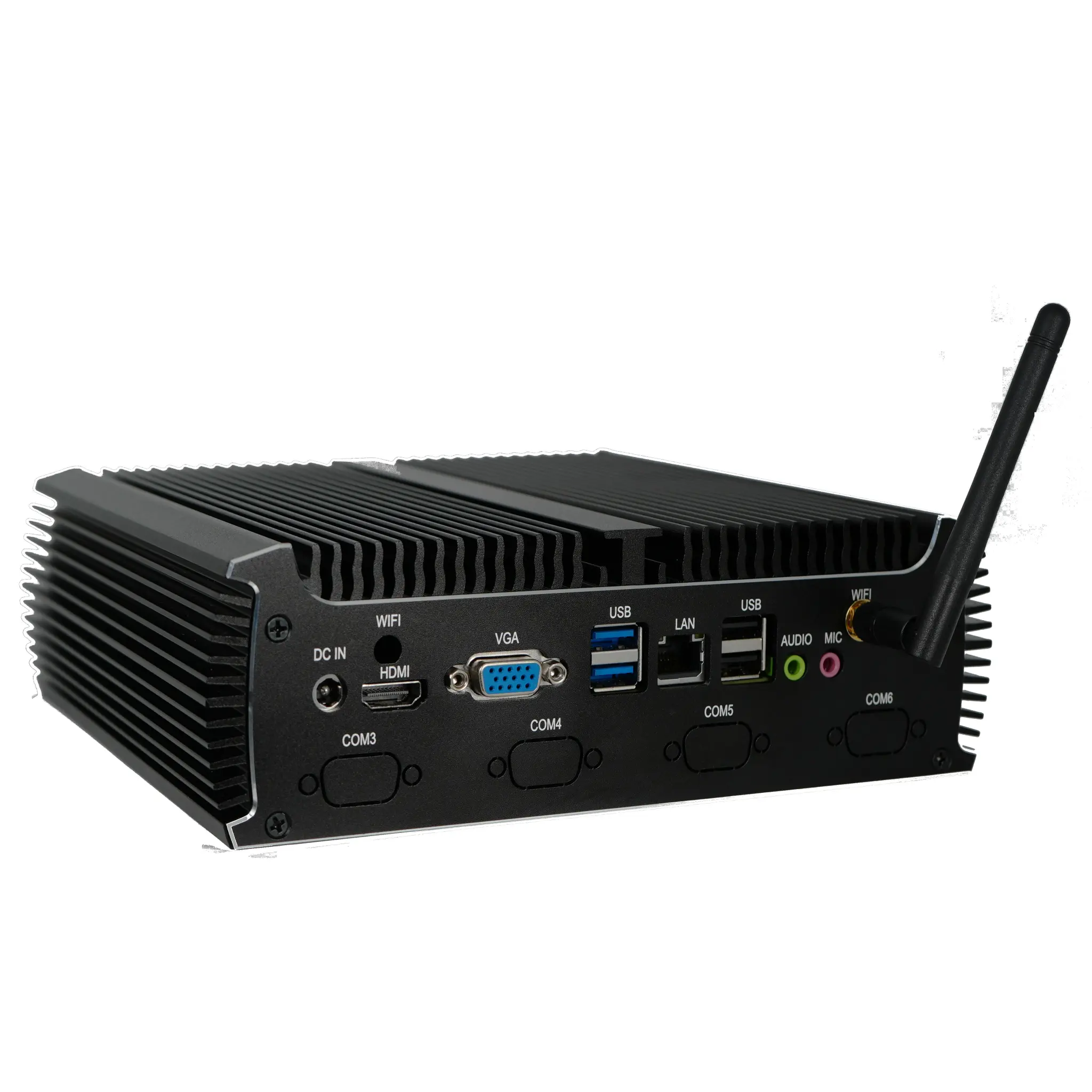
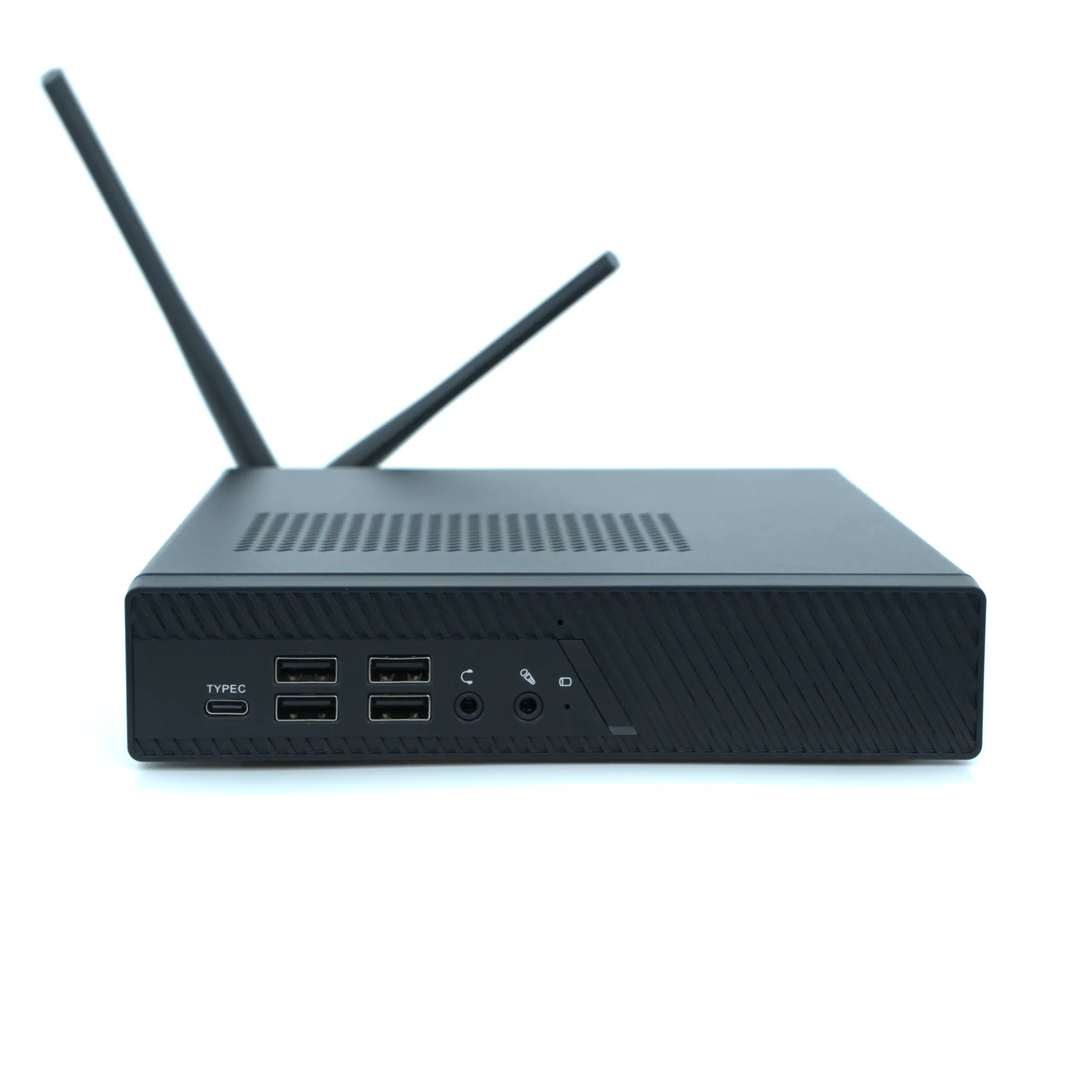
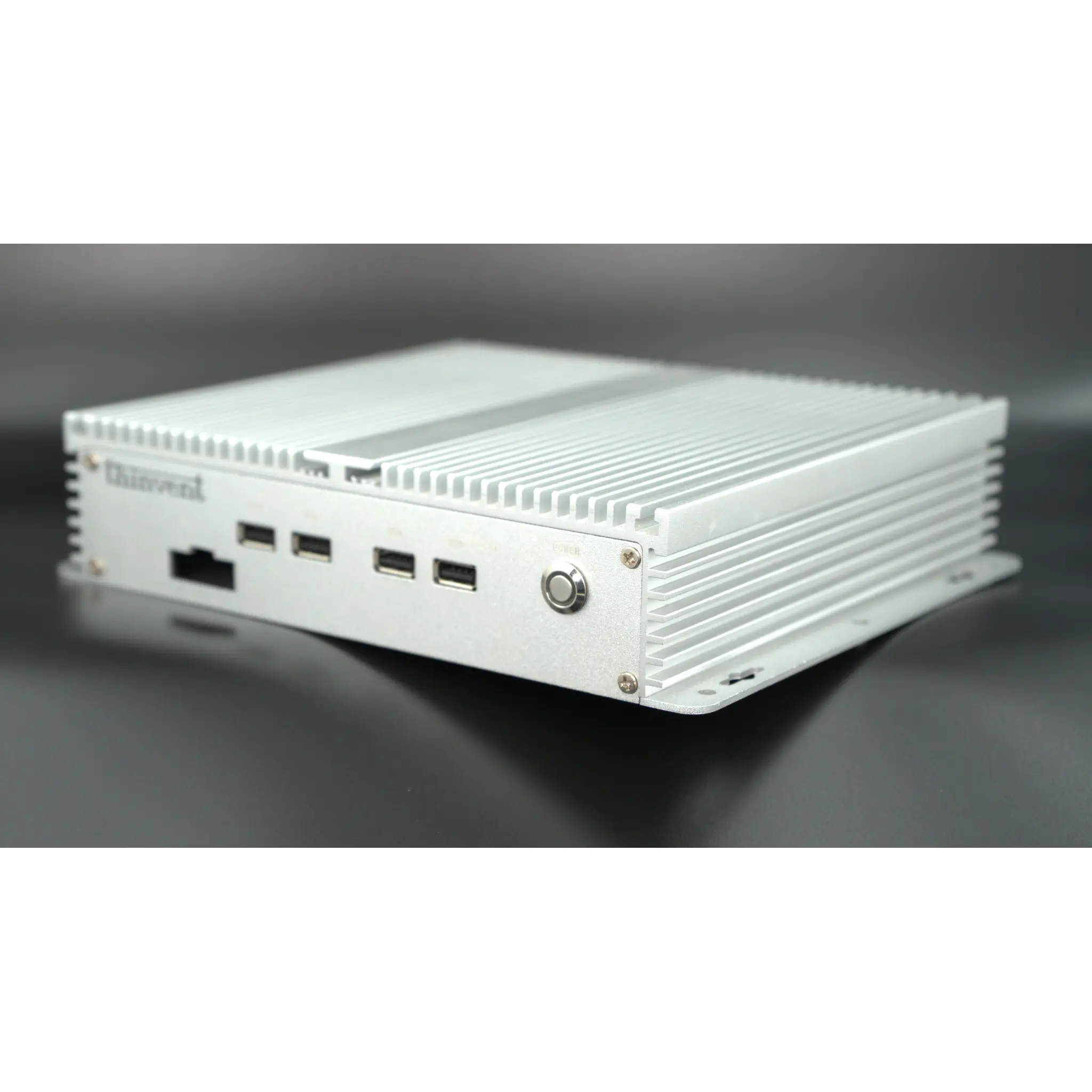
Rugged rack mount computers are specialized computing systems designed for deployment in standard 19-inch equipment racks within demanding industrial environments. Unlike standard servers or desktop PCs, these systems are built to withstand harsh conditions such as extreme temperatures, dust, vibration, and continuous 24/7 operation. They are the backbone of industrial automation, providing reliable processing power for critical applications where failure is not an option. Their compact, rack-optimized form factor allows for efficient use of space in control cabinets, data centers, and mobile installations.
Key Specifications & Design Features
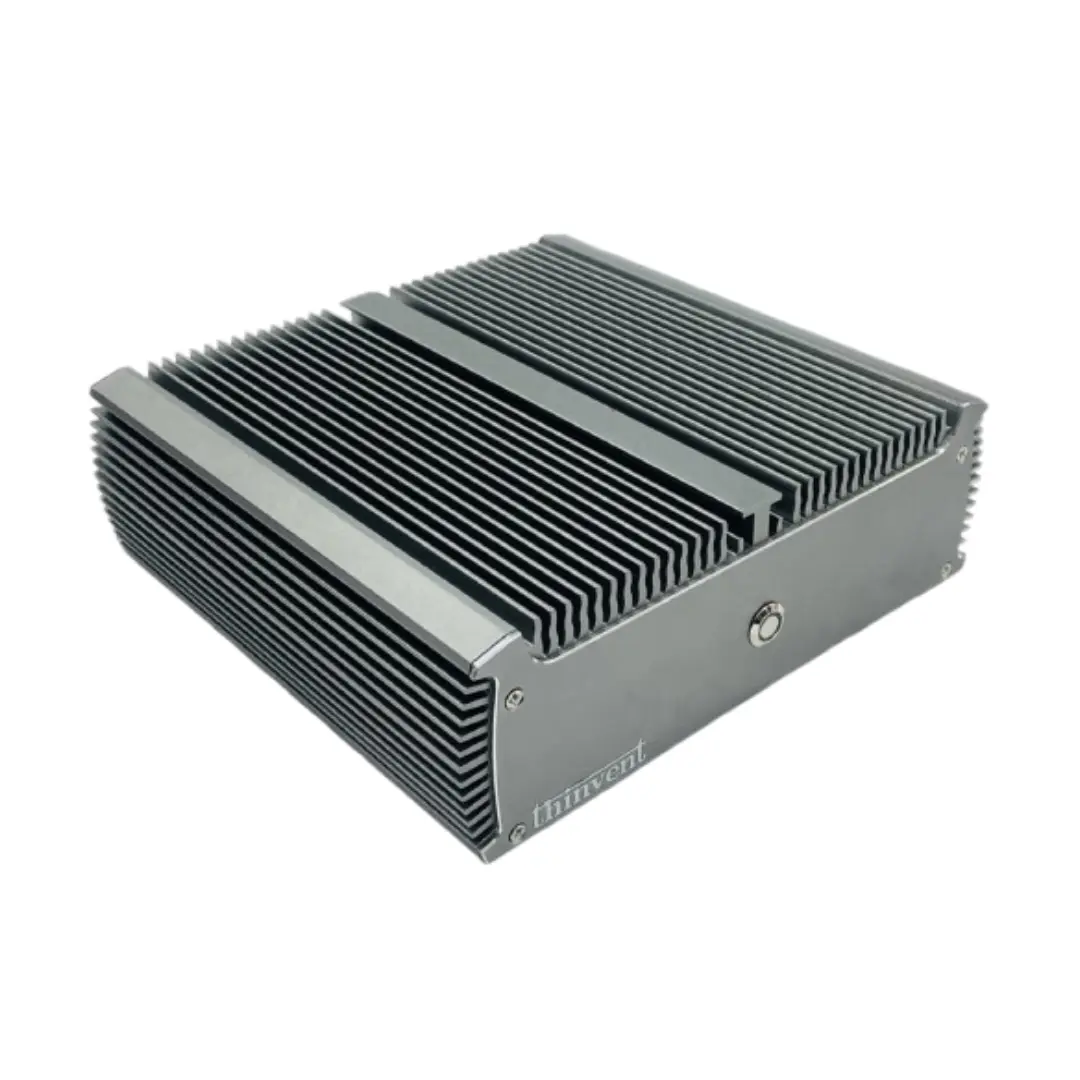
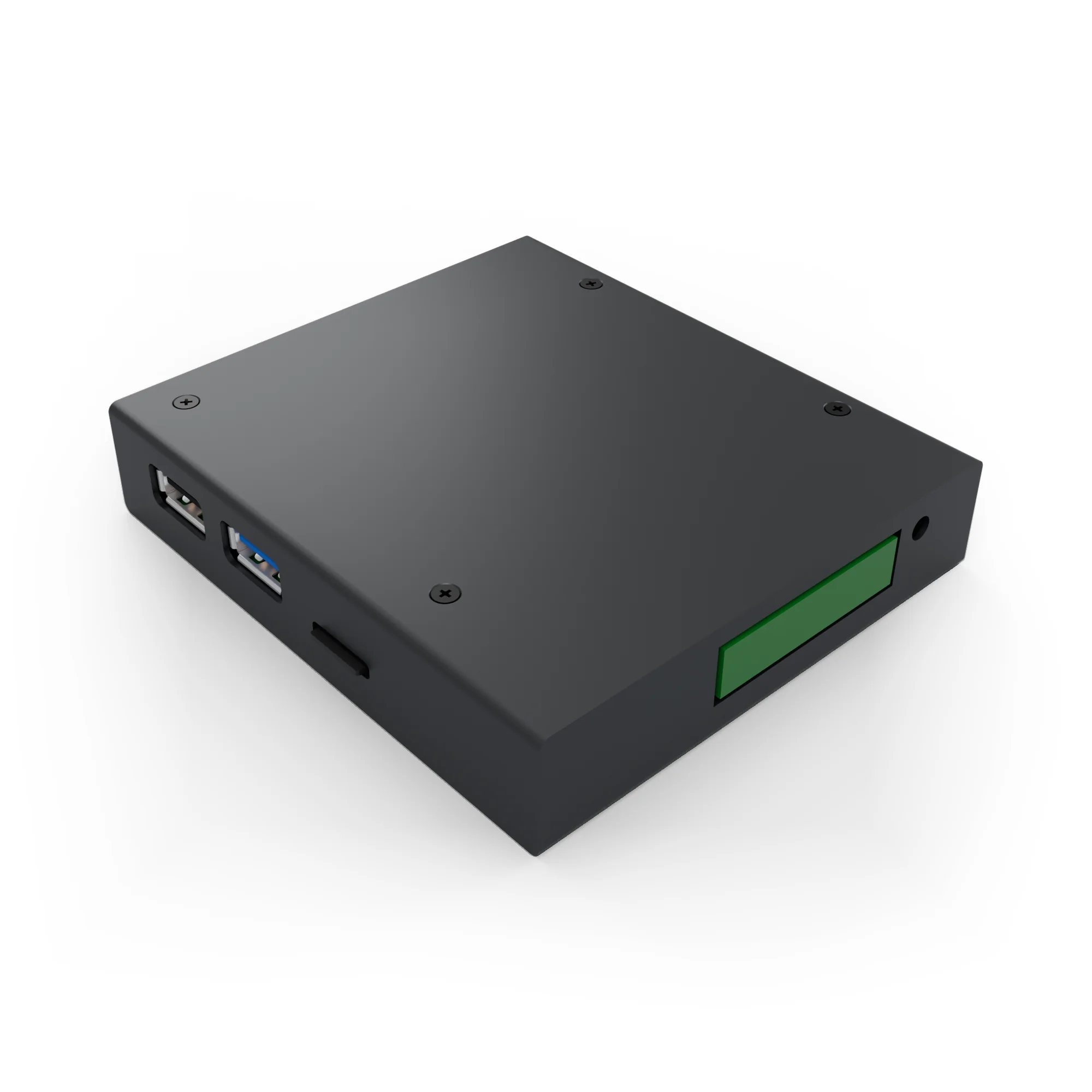
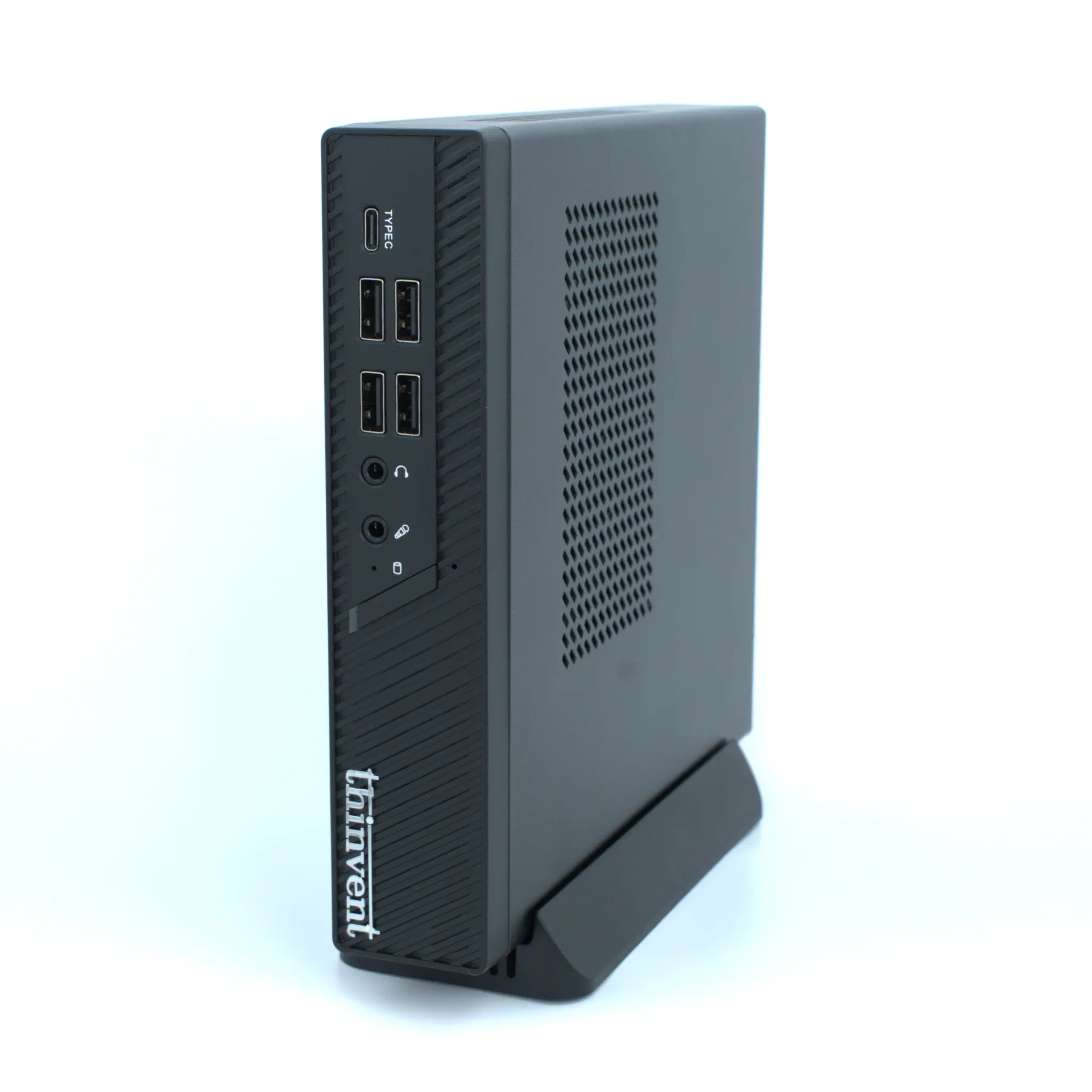
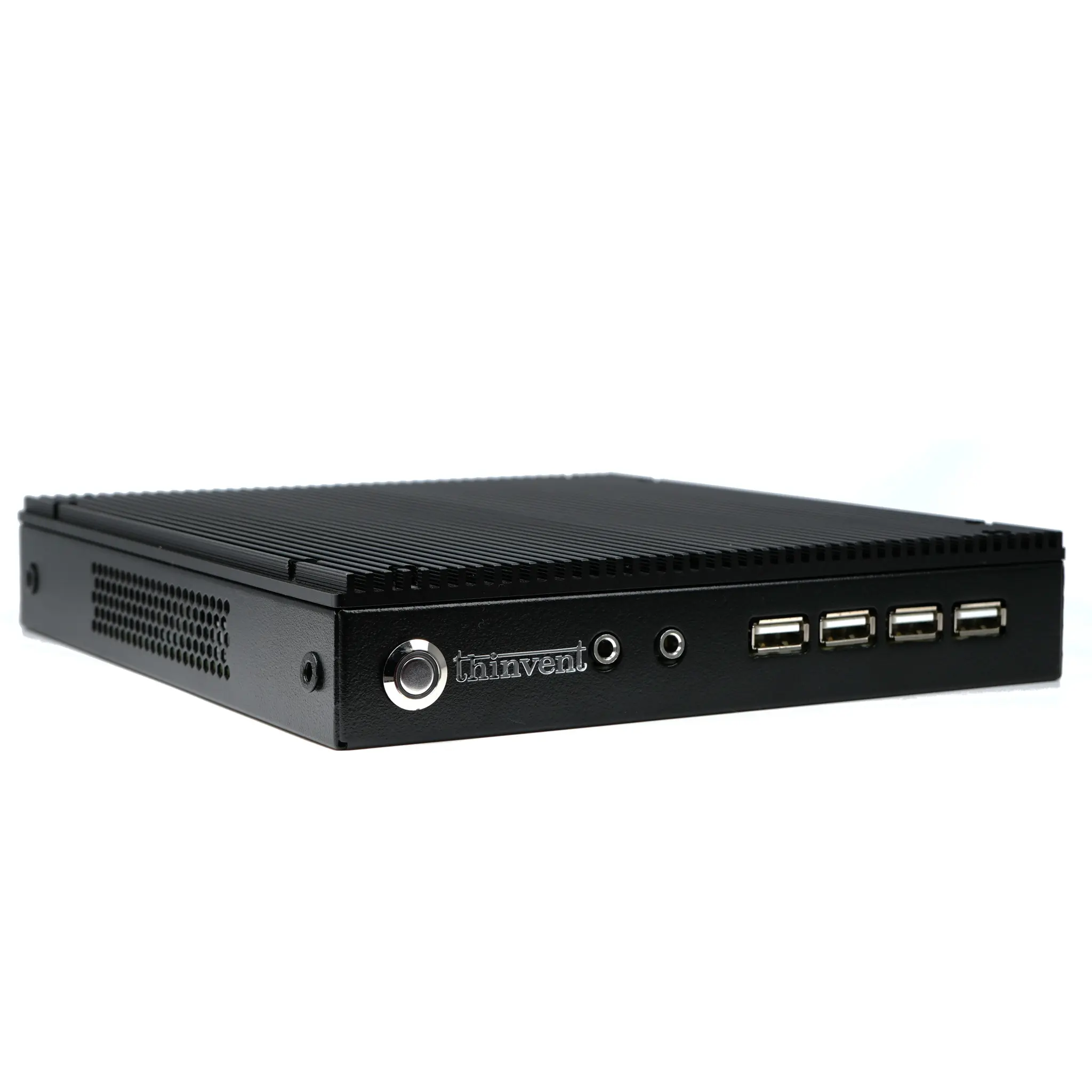
The core of a rugged industrial computer lies in its robust construction and reliable components. Key specifications to consider include the processor (from efficient ARM cores to powerful Intel Core i5/i3 and N-series), RAM (from 2GB to 16GB DDR4), and storage (eMMC or SSD). Crucially, these systems often feature fanless cooling designs, which eliminate moving parts that can fail and prevent dust ingress. They support wide power input ranges (e.g., 5V to 12V DC) for flexibility and are built with industrial-grade components rated for extended temperature ranges. Connectivity is tailored for industrial use, with multiple I/O ports for sensors, controllers, and displays.
Industrial Applications & Use Cases
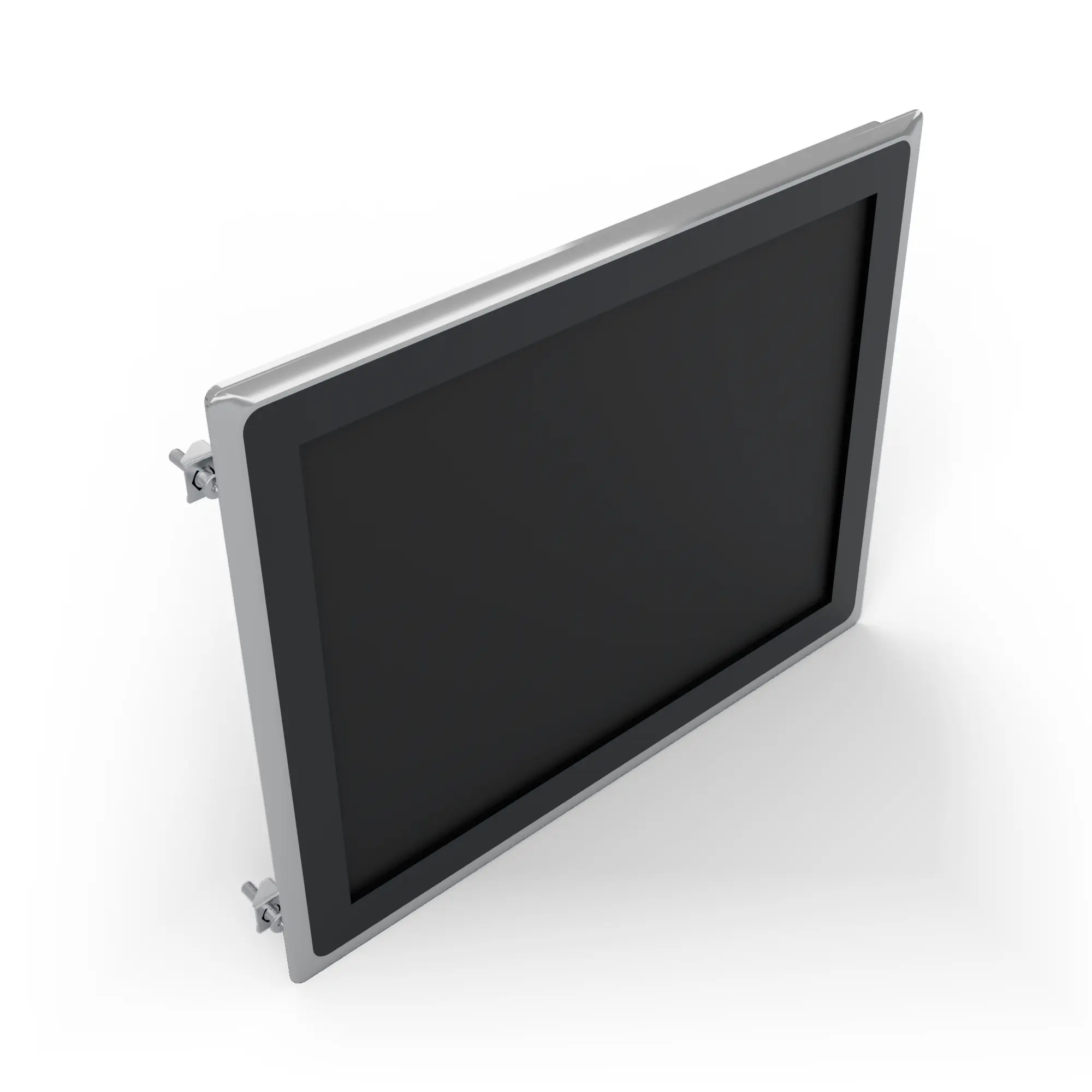
Rugged rack mount computers are deployed across a vast array of industries. In manufacturing, they serve as machine controllers, data acquisition hubs, and HMI (Human-Machine Interface) stations on the factory floor. In transportation and logistics, they power fleet management and in-vehicle computing systems. They are essential for digital signage in public spaces, kiosks in retail, and automation in energy and utility sectors. Their reliability makes them ideal for edge computing, where data is processed locally in remote or unmanned locations, reducing latency and bandwidth costs.
Comparison of Common Industrial Computing Platforms
| Feature | ARM-Based Systems (e.g., Thinvent Micro) | Intel N-Series (e.g., Thinvent Treo/IPC1) | Intel Core Series (e.g., Thinvent IPC3/Aero) |
|---|---|---|---|
| Typical Use | Lightweight thin clients, kiosks, digital signage | General-purpose industrial automation, edge servers | High-performance computing, complex HMIs, data analysis |
| Power Efficiency | Very High | High | Moderate to High |
| Processing Power | Good for dedicated tasks | Excellent for multi-tasking | Superior for demanding applications |
| Thermal Design | Fanless, ultra-low heat | Often fanless | May require active cooling in high-power configs |
| OS Support | Embedded Linux (Thinux) | Linux, Windows IoT | Full Windows 11 Pro, Linux |
Thinvent's Rugged Industrial Computing Solutions
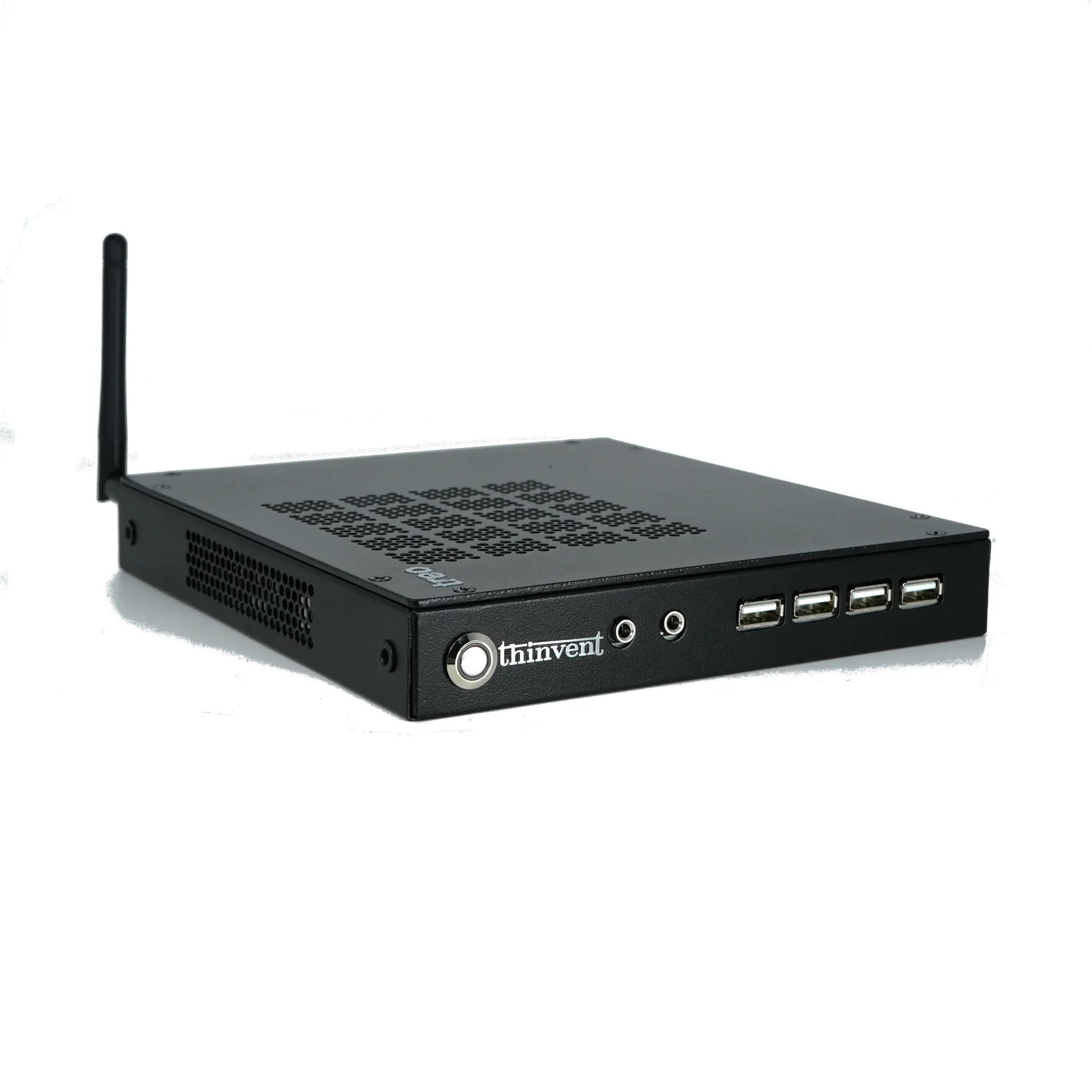
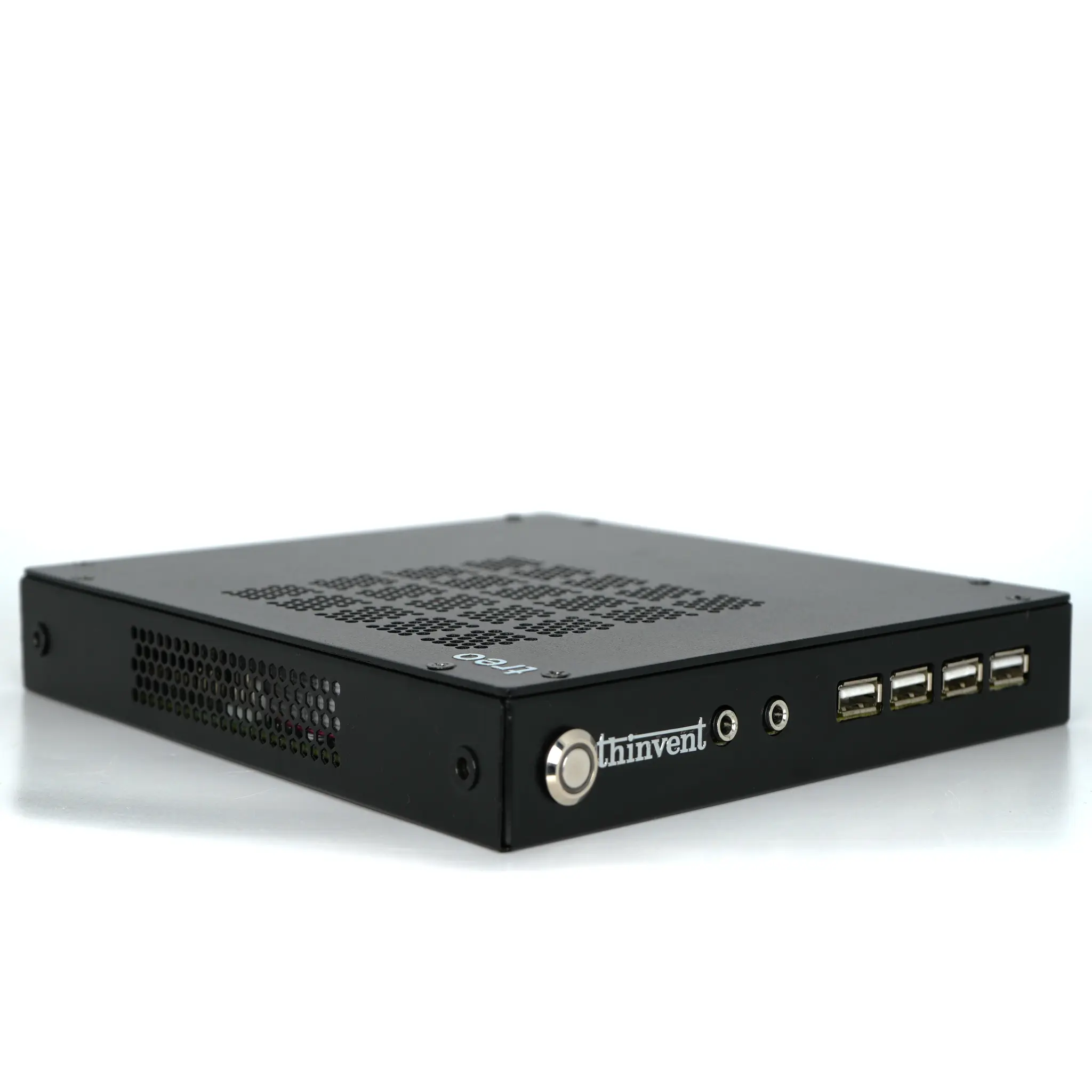
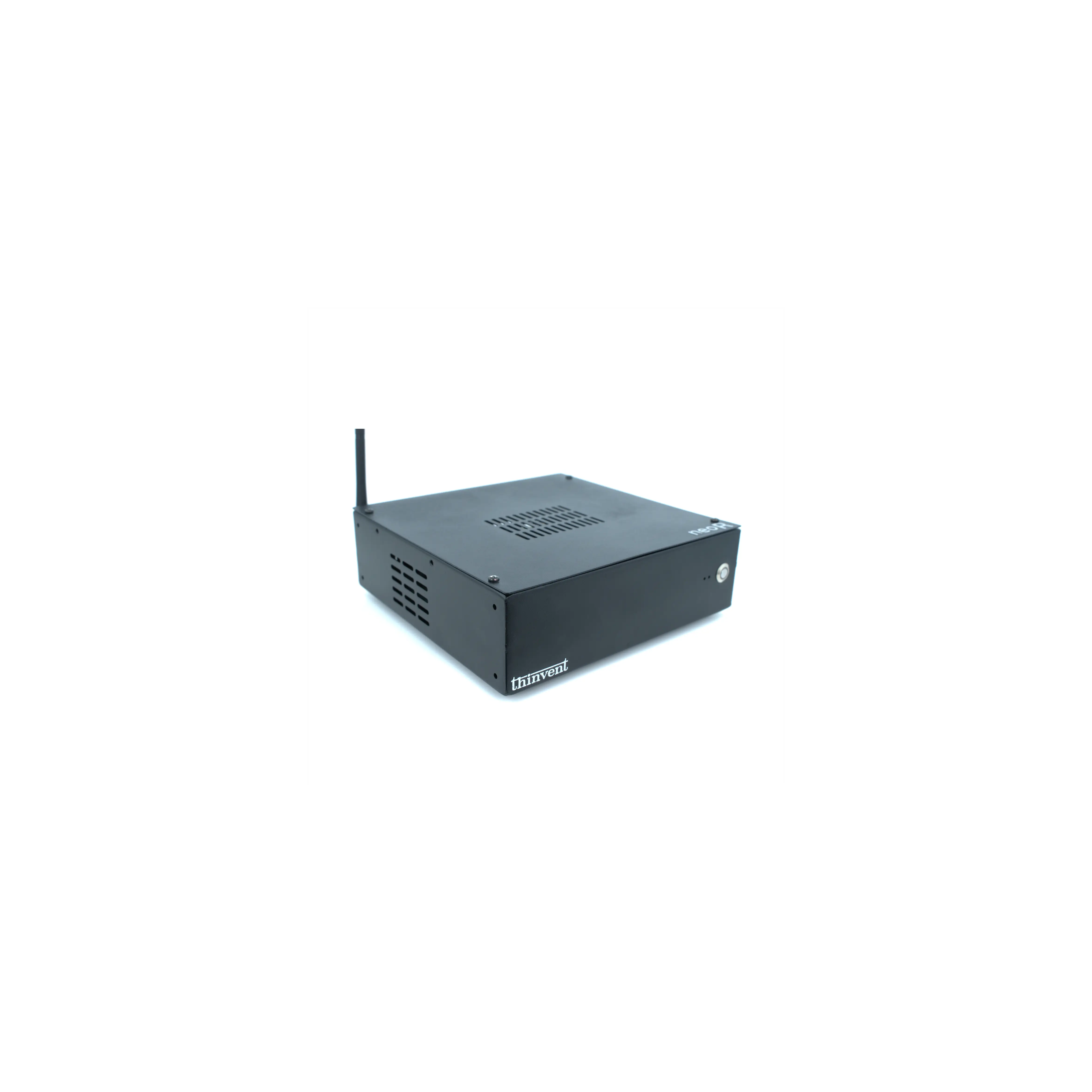
Thinvent offers a comprehensive range of rack-mountable and industrial-grade computing solutions designed for reliability. Our portfolio includes fanless Thinvent Micro series with ARM processors for ultra-efficient, always-on operations. The Thinvent Treo and IPC1 series, powered by Intel N100 processors, provide a perfect balance of performance and power efficiency for most automation tasks. For the most demanding applications, the Thinvent IPC3, IPC5, and Aero series feature Intel Core i3, i5, and Core 5 processors, delivering desktop-level performance in a rugged, industrial form factor. All systems are built for durability and come with options for embedded Linux (Thinux), Ubuntu, or Windows operating systems, ensuring compatibility with your specific industrial software stack.