What Are Raspberry Pi B Alternatives?
The query "Raspberry Pi B" typically refers to the popular, low-cost, single-board computer (SBC) used for hobbyist projects, education, and light embedded applications. Users searching for this are often looking for compact, affordable computing solutions for DIY electronics, digital signage, light server duties, or prototyping. While the Raspberry Pi is a specific ARM-based SBC, industrial users often seek more robust, x86-based alternatives that offer greater performance, wider software compatibility (especially with Windows), and enhanced reliability for commercial deployments.
Key Specifications for Embedded & Industrial Mini PCs
For applications similar to a Raspberry Pi, key specifications focus on compact form factor, low power consumption, and versatile connectivity. A suitable industrial alternative would typically feature:
-
Form Factor: Ultra-compact Mini PC or small form factor designs.
-
Processor: Efficient, low-TDP Intel processors like the N-series (e.g., N100, N95) or Celeron series, offering a balance of performance and power efficiency.
-
Memory & Storage: Configurations starting from 4GB or 8GB of RAM and 128GB SSD storage, providing a significant upgrade over typical SBC specs.
-
Connectivity: Multiple USB ports (including USB 3.2 and Type-C), HDMI outputs for dual displays, and reliable Gigabit Ethernet.
-
Operating System: Support for a variety of OS options is crucial, including Windows IoT/Pro for commercial software, Ubuntu Linux for development, or headless/embedded OS for dedicated applications.
Use Cases and Applications
Industrial-grade mini PCs serve as powerful drop-in replacements for Raspberry Pi boards in more demanding or professional environments:
-
Digital Signage & Kiosks: Driving high-resolution displays reliably in retail, hospitality, or public information systems.
-
Light Edge Computing & IoT Gateways: Collecting and processing data from sensors in manufacturing or smart building applications.
-
Thin Clients & Desktop Virtualization: Providing a secure and manageable endpoint for cloud or virtual desktop infrastructure (VDI).
-
Embedded Control Systems: Used in automation, robotics, and light industrial control where x86 architecture and Windows compatibility are beneficial.
Comparison: Raspberry Pi vs. Industrial Mini PC
| Feature | Typical Raspberry Pi B | Industrial Mini PC Alternative |
|---|---|---|
| Architecture | ARM-based SoC | x86 (Intel/AMD) |
| OS Compatibility | Linux-centric, limited Windows | Full Windows, Linux, Embedded OS |
| Performance | Sufficient for light tasks | Significantly higher CPU/GPU power |
| I/O & Expansion | GPIO pins, standard USB/HDMI | More USB ports, often dual HDMI, optional expansion slots |
| Reliability & Support | Consumer-grade, community support | Industrial-grade components, longer lifecycle, professional support |
| Power Supply | Micro-USB/USB-C | Standard 12V/19V DC barrel jack |
Thinvent Products for Embedded Computing
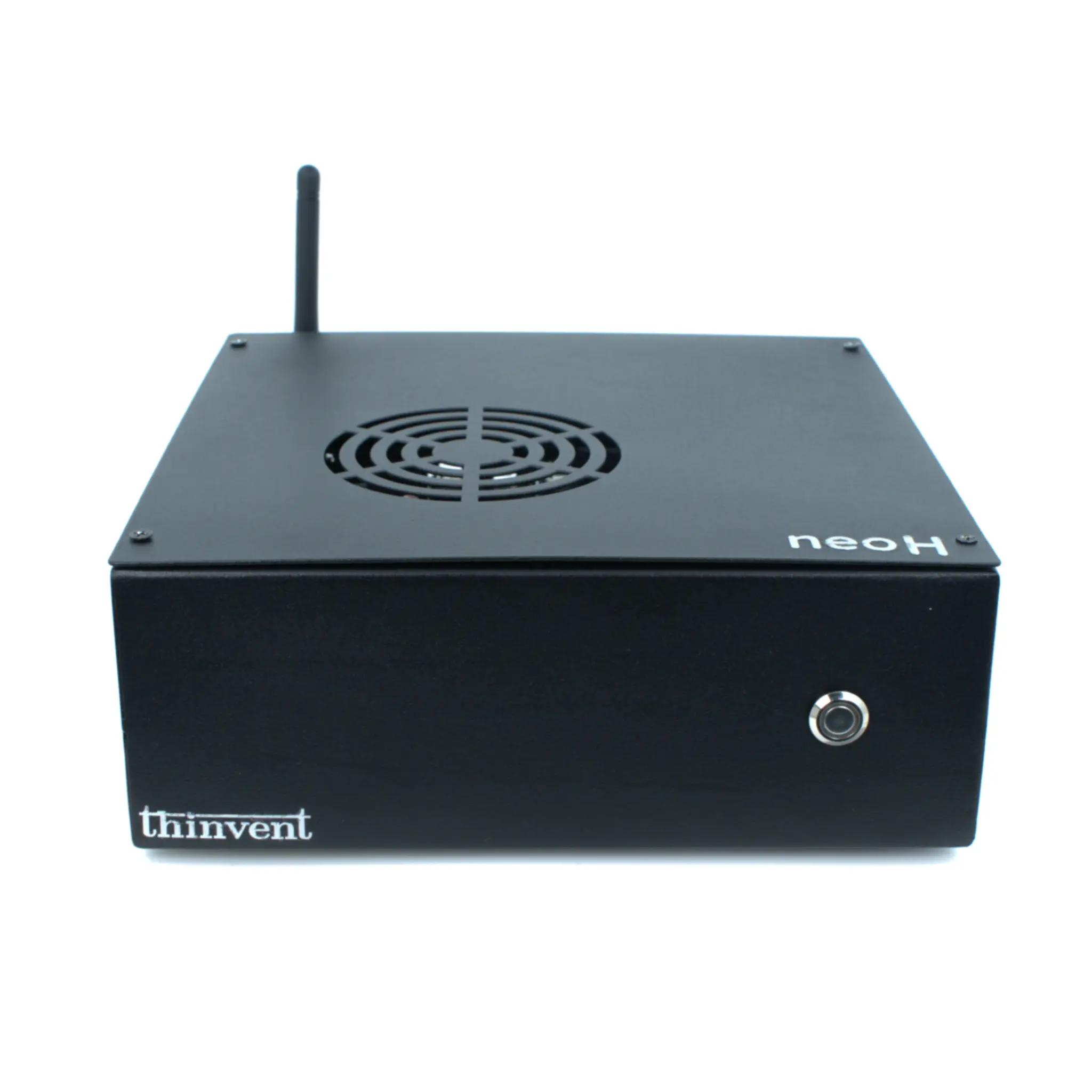
Thinvent offers a range of robust, fanless mini PCs ideal for users seeking Raspberry Pi-like versatility with industrial durability and performance. Our Aero Mini PC series, for example, features efficient Intel N-series processors like the N100, providing a quiet, reliable computing core in a compact chassis. These systems come pre-configured with ample RAM and fast SSD storage, supporting multiple operating systems from Windows 11 to Ubuntu Linux. Designed for 24/7 operation, they are perfect for upgrading from a development board to a deployment-ready solution for digital signage, IoT, and embedded applications worldwide.