What Are Raspberry Pi Based PCs?
A "Raspberry Pi Based PC" typically refers to a compact, low-power computing system built around the ARM-based Raspberry Pi single-board computer (SBC). These systems are designed for embedded applications, DIY projects, and lightweight computing tasks. They are characterized by their small form factor, energy efficiency, and GPIO (General-Purpose Input/Output) pins for hardware interfacing. While the Raspberry Pi itself is a popular platform, the term is often used more broadly to describe any similarly compact, low-cost, and versatile computing solution suitable for prototyping, education, and specific industrial tasks.
Key Specifications and Technical Details
These systems are built on System-on-a-Chip (SoC) architecture, integrating the CPU, GPU, and memory on a single board. Core specifications often include ARM-based processors (like the Broadcom BCM2711 in the Raspberry Pi 4), 1GB to 8GB of LPDDR4 RAM, and microSD card storage. Connectivity is a key strength, featuring multiple USB ports (typically 2.0/3.0), HDMI outputs, Gigabit Ethernet, and built-in Wi-Fi and Bluetooth. A defining feature is the 40-pin GPIO header, which allows for direct connection to sensors, actuators, and other electronic components. They run lightweight, open-source operating systems like Raspberry Pi OS (a Debian-based Linux distribution), Ubuntu, or other specialized embedded OSes.
Common Use Cases and Applications
The versatility of these compact PCs makes them ideal for a wide range of applications. In education and prototyping, they are used to teach programming, electronics, and computer science fundamentals. For home automation and IoT, they serve as central hubs to control lights, security cameras, and sensors. In digital signage and kiosks, their small size and multimedia capabilities allow them to power displays in retail and public spaces. Lightweight desktop computing is possible for web browsing, document editing, and media playback. Industrially, they are deployed in embedded systems for data acquisition, machine monitoring, and control panels due to their reliability and low power draw.
Comparison: Raspberry Pi SBC vs. Industrial Mini PC
While Raspberry Pi boards are excellent for prototyping, industrial applications often demand higher reliability, wider operating temperature ranges, and longer-term component availability. The table below highlights key differences.
| Feature | Raspberry Pi SBC | Industrial Mini PC (e.g., x86-based) |
|---|---|---|
| Processor Architecture | ARM | x86 (Intel/AMD) |
| Typical OS Support | Linux-based (Raspberry Pi OS, Ubuntu) | Windows, Linux, Real-time OS |
| Industrial Durability | Consumer-grade components | Wide temperature range, shock/vibration resistance |
| Long-term Availability | Limited (model revisions) | Extended lifecycle support (5-10+ years) |
| I/O & Expansion | GPIO pins, HATs | PCIe, M.2, more standardized industrial ports |
| Performance Profile | Sufficient for embedded tasks | Higher performance for complex computing |
Thinvent's Industrial-Grade Compact Computing Solutions
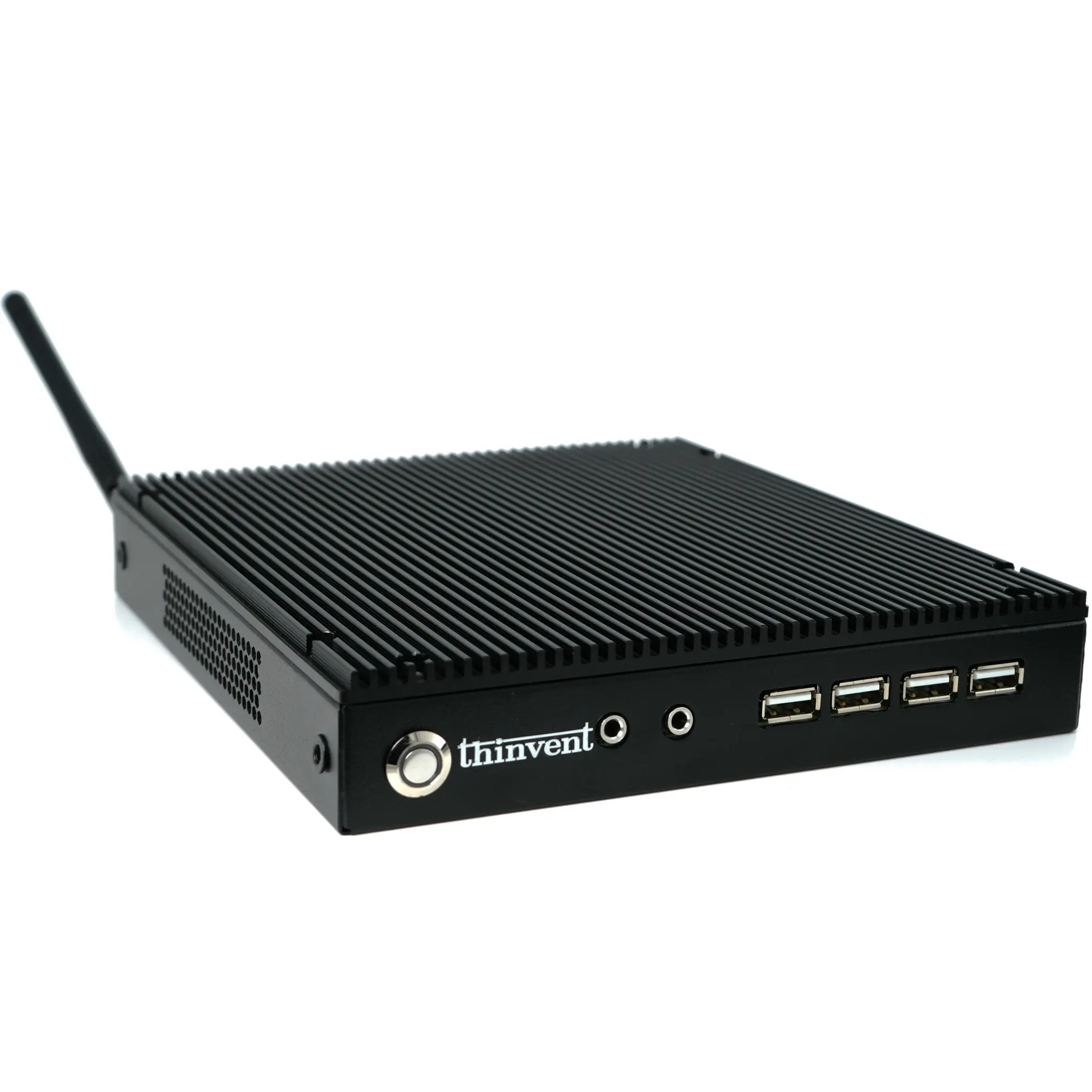
While Thinvent does not manufacture Raspberry Pi-based systems, we offer a robust range of industrial-grade compact computers that serve as powerful, reliable alternatives for embedded and edge computing applications. Our fanless Aero Mini PC series, for example, features efficient Intel processors in a rugged, compact chassis designed for 24/7 operation. These systems provide the small form factor and low power consumption similar to a Raspberry Pi but with the enhanced performance, durability, and long-term supply guarantees required for commercial and industrial deployments. They are pre-configured with a choice of operating systems, including Windows, Ubuntu Linux, and our own Thinux™ Embedded Linux, making them a versatile and professional solution for digital signage, IoT gateways, thin clients, and automation control.