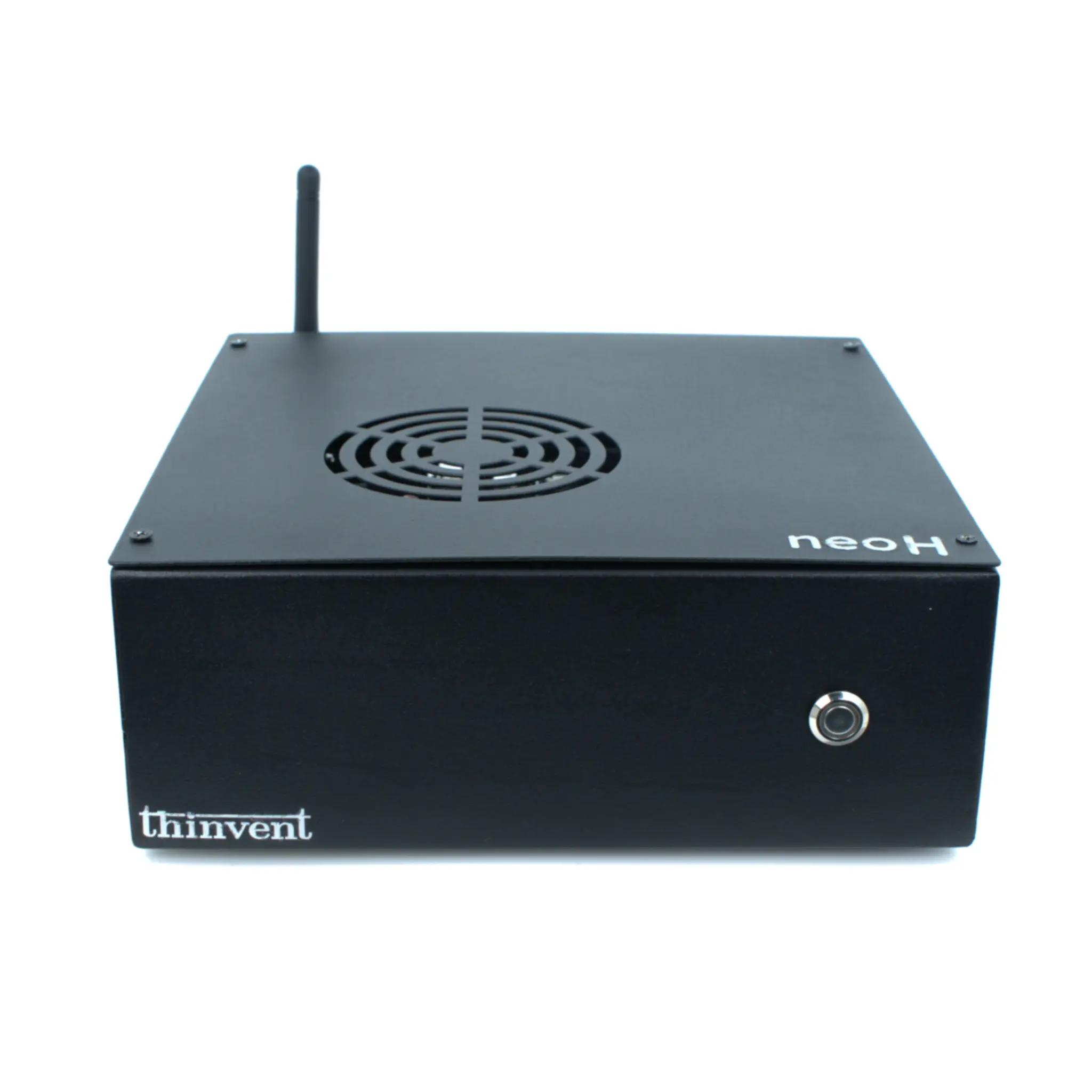
A "Raspberry Pi Box" typically refers to a compact, low-power computing enclosure or a ready-to-use system designed for embedded applications, similar to the popular Raspberry Pi single-board computer. However, for industrial and commercial use, a more robust alternative is a fanless industrial mini PC. These systems offer superior performance, reliability, and connectivity in a similarly small form factor, making them ideal for replacing or upgrading from hobbyist-grade boards in professional settings.
Key Specifications and Technical Details
Industrial mini PCs designed for embedded use share several key characteristics with the Raspberry Pi concept but are built with commercial-grade components. They typically feature:
-
Fanless, Rugged Design: Passive cooling with no moving parts ensures silent operation and high reliability in dusty or volatile environments.
-
Low-Power Processors: Efficient Intel processors (like the N-series) or ARM-based chips provide ample computing power for edge applications while minimizing heat and energy consumption.
-
Rich I/O Connectivity: Multiple USB ports (including USB 3.2 and Type-C), HDMI outputs, and Gigabit Ethernet ports are standard for connecting peripherals, displays, and networks.
-
Flexible Storage & Memory: Support for DDR4 RAM and M.2 SSDs or eMMC storage allows for customization based on application needs.
-
Wide Operating System Support: Compatibility with Windows IoT, various Linux distributions (like Ubuntu), and embedded OSes provides software flexibility.
Use Cases and Applications
These compact systems are deployed in scenarios where a small, reliable, and always-on computer is required:
-
Digital Signage & Kiosks: Driving displays in retail, hospitality, and public information systems.
-
IoT Gateways: Collecting, processing, and transmitting data from sensors and devices at the network edge.
-
Thin Clients & Desktop Virtualization: Providing secure, centralized access to enterprise applications and desktops.
-
Industrial Automation: Acting as a controller for machinery, HMIs (Human-Machine Interfaces), or data acquisition systems on the factory floor.
-
Embedded Systems: Serving as the core for custom applications in transportation, medical devices, or smart buildings.
Comparison: Raspberry Pi vs. Industrial Mini PC
| Feature | Raspberry Pi (Hobbyist) | Industrial Mini PC (Professional) |
|---|---|---|
| Build Quality | Consumer-grade components | Industrial-grade, ruggedized design |
| Reliability | Suitable for prototyping | Designed for 24/7 operation in harsh conditions |
| Performance | Sufficient for basic tasks | More powerful processors for demanding applications |
| I/O & Expansion | Limited GPIO; standard ports | Robust I/O; often with expansion slots (e.g., M.2) |
| OS Support | Linux-centric, some Windows | Broad support: Windows, Linux, Embedded OSes |
| Longevity | Shorter product lifecycle | Long-term availability and support |
Thinvent's Compact Industrial Computing Solutions
Thinvent offers a range of fanless mini PCs that perfectly fit the "Raspberry Pi Box" use case for professional environments. Our Aero series, for example, features the efficient Intel N100 processor in an ultra-compact, fanless chassis. These systems come pre-configured with ample RAM and SSD storage and support a wide array of operating systems, including Windows 11 IoT, Ubuntu Linux, and our proprietary Thinux™ Embedded Linux. They are engineered for reliability in embedded deployments, providing a powerful, commercial-ready alternative to hobbyist single-board computers for digital signage, IoT, thin client, and automation projects worldwide.