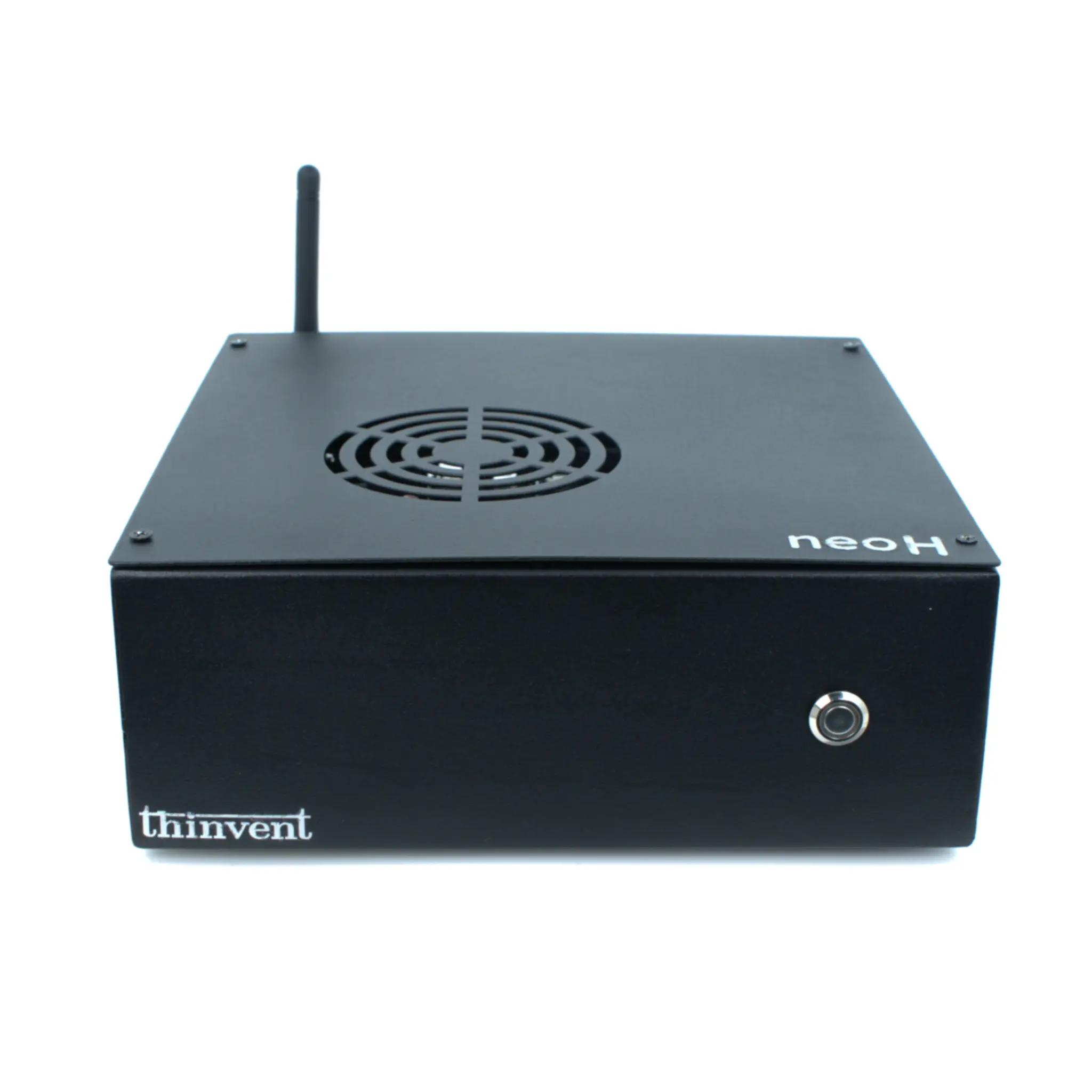
What Are Raspberry Pi Clones?
Raspberry Pi clones are compact, low-power single-board computers (SBCs) or mini PCs designed to serve as alternatives to the popular Raspberry Pi. They typically offer similar form factors, GPIO (General Purpose Input/Output) pins for hardware interfacing, and low power consumption, but often feature different processor architectures (like x86 from Intel or AMD instead of ARM), more robust industrial-grade construction, and pre-installed storage and memory. These devices are engineered for embedded systems, IoT gateways, digital signage, and light-duty computing tasks where reliability, fanless operation, and a small footprint are critical.
Key Specifications and Technical Details
Modern industrial-grade alternatives prioritize reliability and connectivity. Common specifications include efficient, low-TDP Intel processors (like the N-series), fanless aluminum heatsink designs for silent and maintenance-free operation in harsh environments, and a range of I/O ports. Standard features often consist of multiple USB ports (including USB 3.2 and Type-C), dual HDMI or DisplayPort outputs for multi-monitor setups, Gigabit Ethernet for network reliability, and support for wide voltage input (e.g., 12V-24V DC). Storage is typically via M.2 SATA or NVMe SSDs, and memory is soldered DDR4 RAM, offering a more integrated and durable solution compared to consumer-grade SBCs.
Use Cases and Applications
These industrial mini PCs are deployed in scenarios demanding 24/7 uptime and environmental resilience. Primary applications include:
-
IoT Gateways & Edge Computing: Collecting and processing data from sensors in manufacturing, agriculture, or smart city infrastructure.
-
Digital Signage & Kiosks: Driving displays in retail, hospitality, and public transportation due to stable performance and compact size.
-
Thin Clients & Desktop Virtualization: Providing a secure, manageable endpoint for accessing cloud or virtual desktop environments in offices and call centers.
-
Embedded Control Systems: Serving as the brain for automation, robotics, and monitoring equipment in industrial settings.
Comparison: Industrial Mini PC vs. Typical SBC
| Feature | Industrial Mini PC (e.g., x86-based) | Typical Raspberry Pi-style SBC (ARM-based) |
|---|---|---|
| Processor Architecture | x86 (Intel/AMD) | ARM |
| Operating System Support | Windows, Linux, Real-Time OS | Linux, Android (limited Windows) |
| Industrial Durability | Wide temperature range, vibration resistance, metal casing | Consumer-grade, may require add-on cases |
| Power Supply | Standard 12V/19V DC, wide voltage input | 5V USB-C/Micro-USB |
| Expansion & I/O | Standard PCIe/M.2 slots, multiple display outputs | GPIO, HAT add-ons, typically single video output |
| Performance Profile | Higher single-thread performance, better for x86-optimized apps | Power-efficient, excellent for dedicated Linux workloads |
Thinvent's Industrial-Grade Compact Computing Solutions
Thinvent offers a range of robust, fanless mini PCs that serve as powerful and reliable alternatives for professional and industrial applications. Our Aero series, for example, features efficient Intel processors like the N100, delivering capable performance in a compact, silent chassis. These systems come with pre-configured memory and SSD storage and support a variety of operating systems, including Windows 11 IoT, Windows 11 Pro, and Linux distributions like Ubuntu. Built for continuous operation, they are ideal solutions for developers, system integrators, and businesses looking for a dependable, commercial-grade computing platform that surpasses the capabilities of typical consumer SBCs.