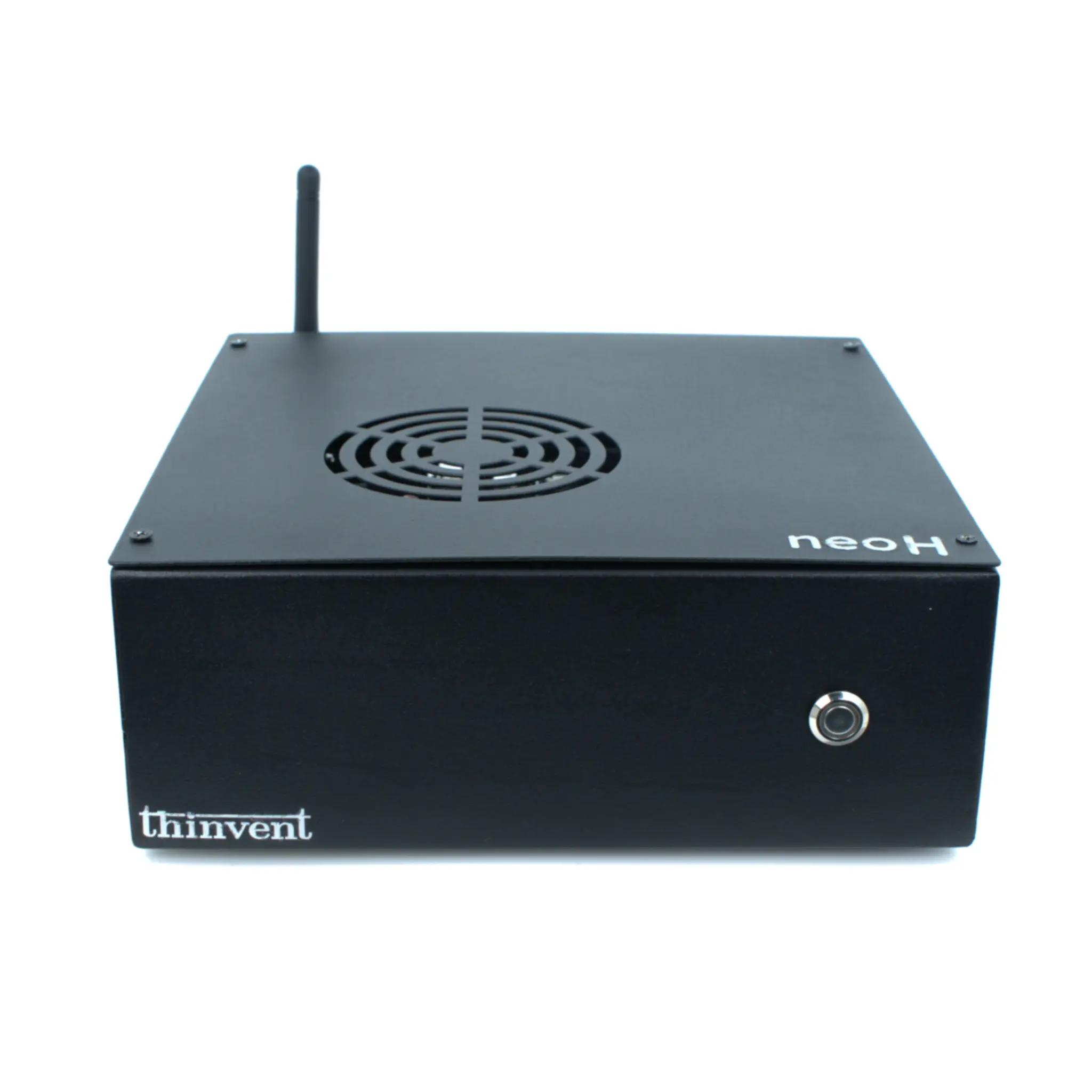
A Raspberry Pi computer board is a popular, low-cost, single-board computer (SBC) designed for educational projects, hobbyist prototyping, and light embedded applications. It features an ARM-based system-on-a-chip (SoC), GPIO pins for hardware interfacing, and a minimal, credit-card-sized form factor. While excellent for learning and development, its consumer-grade components and lack of industrial hardening can limit its use in commercial, industrial, or 24/7 operational environments where reliability, extended temperature ranges, and long-term supply are critical.
Key Specifications and Technical Details
Raspberry Pi boards are defined by their ARM processors, integrated graphics, and versatile I/O. Common models feature quad-core CPUs, up to 8GB of LPDDR4 RAM, and microSD cards for storage. They offer HDMI outputs, USB ports, Ethernet, and Wi-Fi/Bluetooth. Their defining characteristic is the 40-pin GPIO header, which allows direct connection to sensors, relays, and other electronic components. Power is typically supplied via a USB-C connector. However, they lack features like wide-range DC power input, lockable connectors, or conformal coating for harsh environments.
Use Cases and Applications
The primary applications for Raspberry Pi boards are in education, DIY projects, and proof-of-concept prototyping. They are widely used for learning programming (especially Python), building retro gaming consoles, home automation servers, and simple network-attached storage (NAS) devices. In commercial settings, they might be used for digital signage, basic kiosks, or as a development platform before moving to an industrial-grade solution. Their low power consumption and small size make them suitable for space-constrained, non-critical tasks.
Comparison: Raspberry Pi vs. Industrial Mini PCs
| Feature | Raspberry Pi (SBC) | Industrial Mini PC |
|---|---|---|
| Core Architecture | ARM | x86 (Intel/AMD) or ARM |
| Form Factor | Exposed Board | Enclosed, Fanless Chassis |
| Operating Temp | Consumer Grade (0°C to 50°C typical) | Industrial Grade (-20°C to 60°C common) |
| Power Input | USB-C (5V) | Wide-Range DC (e.g., 9-36V) |
| Reliability | Designed for prototyping | Designed for 24/7 operation |
| I/O Expansion | GPIO header | PCIe, M.2, COM ports |
| Longevity | Short product cycles | Long-term availability (5-10+ years) |
| OS Support | Linux, Raspberry Pi OS | Windows, Linux, Thin Clients |
Thinvent Products for Embedded Computing
Thinvent offers a robust range of industrial-grade mini PCs that serve as powerful, reliable alternatives to consumer SBCs like the Raspberry Pi. Our fanless systems, such as the Aero series, are built with Intel processors, feature wide-voltage DC input, and operate silently in extended temperature ranges. They come pre-configured with various operating systems, including Windows IoT, Ubuntu Linux, and our own Thinux™ embedded platform, providing a stable, secure, and supported foundation for digital signage, kiosks, IoT gateways, and edge computing applications. With industrial durability and long-term component supply, Thinvent mini PCs are engineered for deployment in demanding commercial and industrial environments worldwide.