What is Mini PCIe and How is it Used?
Mini PCIe (Mini Peripheral Component Interconnect Express) is a compact expansion card standard designed for small form factor computers, such as industrial PCs, embedded systems, and thin clients. It provides a dedicated, high-speed interface for adding specialized functionality to a base system. Unlike the standard PCIe slots found in desktop PCs, the Mini PCIe form factor is significantly smaller, making it ideal for space-constrained applications where reliability and customization are paramount.
Key Specifications and Technical Details
A Mini PCIe slot is a 52-pin edge connector that provides a PCI Express x1 lane, a USB 2.0 connection, and SMBus signals. This versatile interface allows a single slot to support a wide range of expansion modules. Common specifications include:
-
Form Factor: 30mm x 50.95mm (full-size) or 30mm x 26.8mm (half-size).
-
Interface: PCIe x1 (Gen 1.0, 2.0, or 3.0) with a theoretical bandwidth of up to 8 Gbit/s for Gen 3.0.
-
Power: Typically supplied via the 3.3V rail on the motherboard.
-
Common Expansion Cards: Wi-Fi/Bluetooth modules, cellular modems (4G/LTE, 5G), SSD storage (mSATA), serial port cards, and specialized industrial I/O controllers.
Applications and Use Cases
The primary value of Mini PCIe lies in its ability to customize a compact industrial computer for specific operational environments. Key applications include:
-
Industrial IoT Gateways: Adding cellular connectivity for remote data acquisition and machine-to-machine (M2M) communication in field deployments.
-
Digital Signage & Kiosks: Integrating Wi-Fi for content updates and network management without external dongles.
-
Transportation & Fleet Management: Enabling GPS and telematics functionality for vehicle tracking.
-
Thin Clients & POS Systems: Providing secure, integrated wireless networking in retail and office settings.
-
Embedded Control Systems: Adding specialized serial, CAN bus, or additional storage for automation and control hardware.
Mini PCIe vs. M.2: A Quick Comparison
While both are compact expansion standards, they serve different purposes. Here's a brief comparison:
| Feature | Mini PCIe | M.2 (Key B/M) |
|---|---|---|
| Primary Use | Wireless, Cellular, Specialized I/O | High-speed Storage (NVMe SSDs) |
| Interface | PCIe x1, USB 2.0, SMBus | PCIe x4/x2 (NVMe), SATA (SATA SSDs) |
| Form Factor | 30mm x 50.95mm | Multiple lengths (2230, 2242, 2280) |
| Key Advantage | Versatility for communication modules | Maximum storage performance |
For applications requiring high-speed storage, an M.2 slot is preferable. For adding wireless, cellular, or other specialized connectivity, Mini PCIe is the standard choice.
Thinvent Industrial PCs with Mini PCIe Expansion
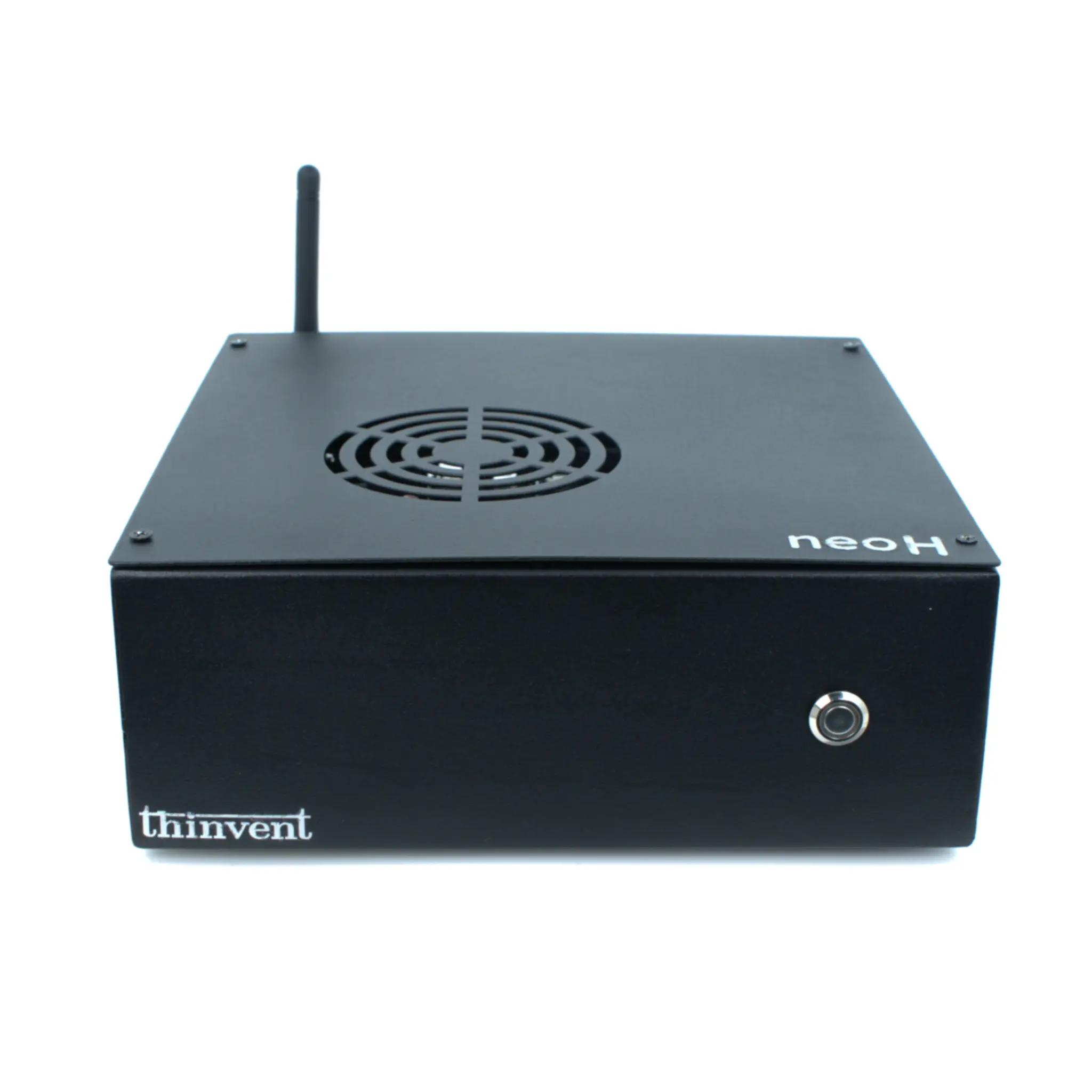
Thinvent's range of compact and fanless industrial computers are engineered with expansion in mind. Our Aero Mini PC series, for example, features accessible Mini PCIe slots that allow for easy field upgrades and customization. This design philosophy ensures that our systems can evolve with your project needs, whether you're deploying a network of IoT sensors, building a secure digital signage solution, or creating a ruggedized control unit. By choosing a Thinvent industrial PC with Mini PCIe, you gain a reliable, performance-optimized platform that can be tailored with the exact connectivity your application demands.