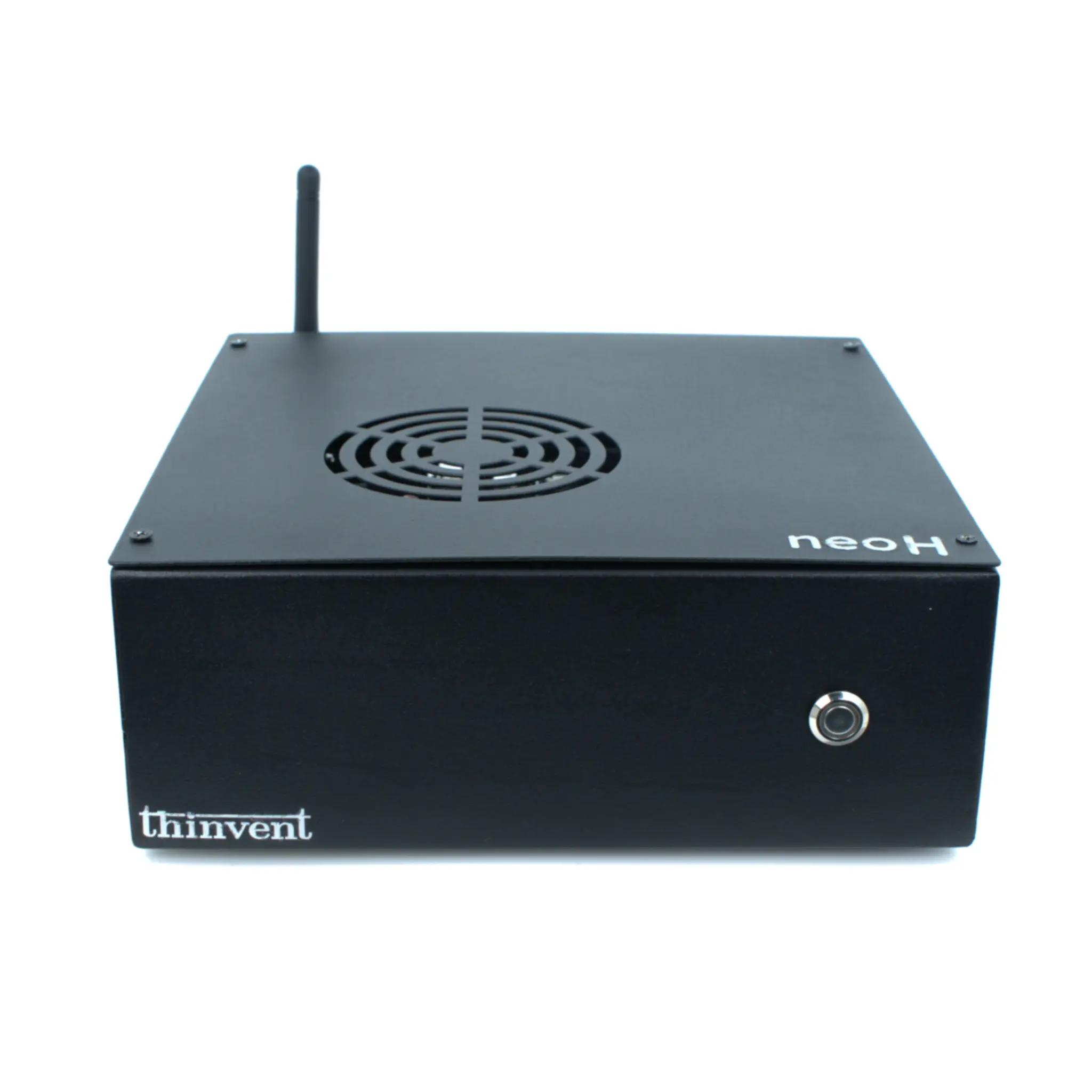
What Are Industrial Computers?
Industrial computers are specialized computing systems designed for operation in demanding environments where standard commercial PCs would fail. They are engineered for reliability, durability, and long-term performance in settings with extreme temperatures, dust, vibration, moisture, and continuous 24/7 operation. Unlike consumer-grade hardware, these systems prioritize stability and robustness over raw performance, often featuring fanless cooling, wide power input ranges, and industrial-grade components.
Key Specifications and Technical Details
The core of an industrial computer is its rugged design. Key specifications include:
-
Fanless Cooling: Eliminates moving parts, preventing dust ingress and mechanical failure, ensuring silent and maintenance-free operation.
-
Wide Operating Temperature: Capable of functioning in extreme cold and heat, typically from -20°C to 60°C or beyond.
-
Shock and Vibration Resistance: Built to withstand physical stress common in manufacturing, transportation, and field deployments.
-
Industrial I/O: Features multiple serial ports (RS-232/485), isolated digital I/O, and robust Ethernet connectivity for machine communication.
-
Extended Product Lifecycle: Components and platforms are available for much longer than consumer parts, crucial for long-term industrial projects.
Use Cases and Applications
Industrial computers are the backbone of automation and digitalization across sectors. Common applications include:
-
Factory Automation: Serving as PLCs, HMIs (Human-Machine Interfaces), and machine vision controllers on the production floor.
-
Digital Signage & Kiosks: Powering interactive displays in retail, hospitality, and public transportation that require 24/7 uptime.
-
Edge Computing & IoT Gateways: Collecting, processing, and transmitting data from sensors and equipment at the network edge.
-
Transportation & Logistics: Used in fleet management, railway systems, and warehouse automation, enduring constant movement and variable conditions.
-
Energy & Utilities: Monitoring and controlling infrastructure in remote and harsh environments like oil rigs or substations.
Comparison: Industrial vs. Commercial Computers
| Feature | Industrial Computer | Commercial/Consumer PC |
|---|---|---|
| Operating Temperature | Wide range (e.g., -20°C to 60°C) | Narrow range (e.g., 5°C to 35°C) |
| Cooling Method | Fanless (passive) or forced air with filters | Active fans |
| Durability | High (resists shock, vibration, dust) | Standard |
| Component Lifespan | 5-10+ years (long-term availability) | 1-3 years (rapid refresh) |
| Primary Use Case | Mission-critical, harsh environments | Office, home, light commercial |
| I/O Ports | Industrial (serial, DIO, PoE) | Consumer (USB, HDMI, audio) |
Thinvent Industrial Computing Solutions
Thinvent offers a comprehensive range of industrial-grade computing solutions built for reliability. Our product portfolio includes compact Fanless Mini PCs ideal for space-constrained installations, versatile Industrial Panel PCs for interactive control, and powerful Rackmount Systems for data-intensive applications. Each system is designed with a focus on rugged construction, wide-temperature operation, and flexible I/O to meet the specific demands of industrial automation, edge computing, and digital signage. Explore our range to find a robust computing platform engineered for your challenging environment.