What Are Satellite Computers?
Satellite computers, also known as remote or edge computing systems, are compact, robust industrial PCs designed to operate reliably in decentralized locations. They function as independent processing nodes, often in harsh or isolated environments where traditional IT infrastructure is unavailable. These systems are built to collect, process, and transmit data from local sensors and equipment, serving as a critical link between field operations and central control systems.
Key Specifications and Technical Details
These specialized computers prioritize reliability and low-power operation over raw performance. Common specifications include:
-
Fanless, Rugged Design: A sealed, ventless chassis with passive cooling ensures operation in dusty, humid, or wide-temperature environments (-20°C to 60°C is typical).
-
Low-Power Processors: Energy-efficient CPUs like Intel's N-series (e.g., N100) or Celeron series minimize heat and power draw, often running on 12V DC power.
-
Industrial-Grade Connectivity: Multiple Ethernet ports (often with PoE capability), serial ports (RS-232/485), and digital I/O are standard for connecting to industrial machinery and sensors.
-
Shock and Vibration Resistance: Components are secured to withstand the movement and impacts common in vehicles, factories, or remote installations.
-
Wide Operating Voltage: Support for 9-36V DC input protects against power surges and fluctuations common in field applications.
Primary Use Cases and Applications
Satellite computers are deployed anywhere reliable computing is needed far from a data center.
-
Industrial IoT & Automation: Acting as gateways on the factory floor, they aggregate data from PLCs and sensors for local analytics or upstream transmission.
-
Transportation & Telematics: Installed in vehicles, trains, or vessels for fleet management, GPS tracking, and onboard diagnostics.
-
Digital Signage & Kiosks: Powering displays in outdoor or public spaces, resistant to weather and temperature extremes.
-
Remote Monitoring: Used in oil & gas, agriculture, and utilities to monitor equipment and environmental conditions in off-grid locations.
-
Thin Client & VDI: Providing a durable endpoint for virtual desktops in schools, hospitals, or industrial settings.
Comparison: Satellite PC vs. Standard Desktop
| Feature | Satellite / Industrial PC | Standard Office Desktop |
|---|---|---|
| Operating Temperature | Wide range (e.g., -20°C to 60°C) | Narrow range (typically 5°C to 35°C) |
| Cooling System | Fanless, passive cooling | Active fans with vents |
| Build & Durability | Rugged, metal chassis; shock/vibration resistant | Standard plastic/metal case |
| Power Input | Wide-range DC (e.g., 9-36V) | Standard AC power supply |
| Connectivity | Industrial I/O (serial, PoE, DIO) | Consumer ports (USB, HDMI, Ethernet) |
| Typical Environment | Factory floor, vehicle, outdoor cabinet | Office, home, data center |
Thinvent's Rugged Satellite Computing Solutions
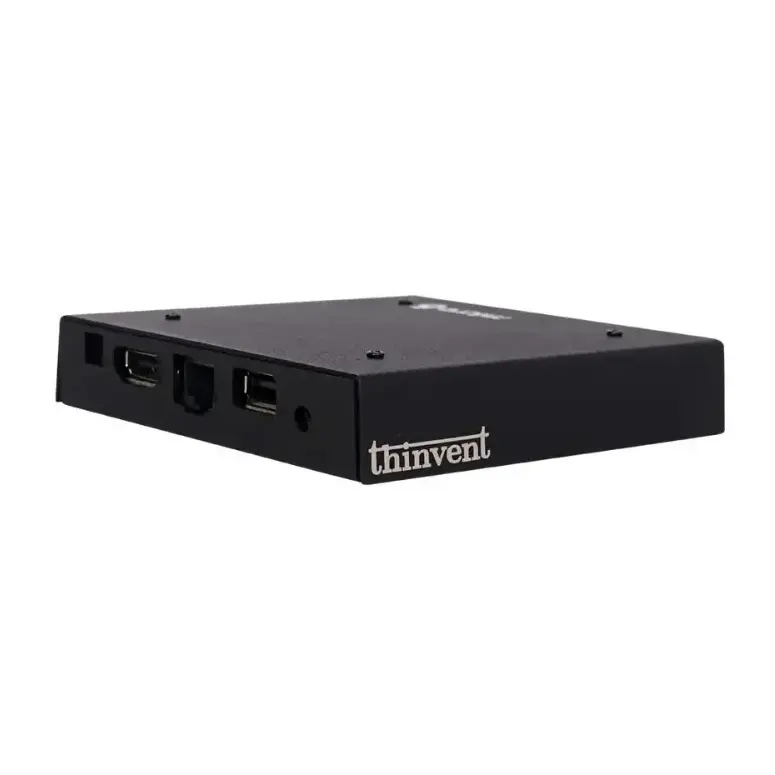
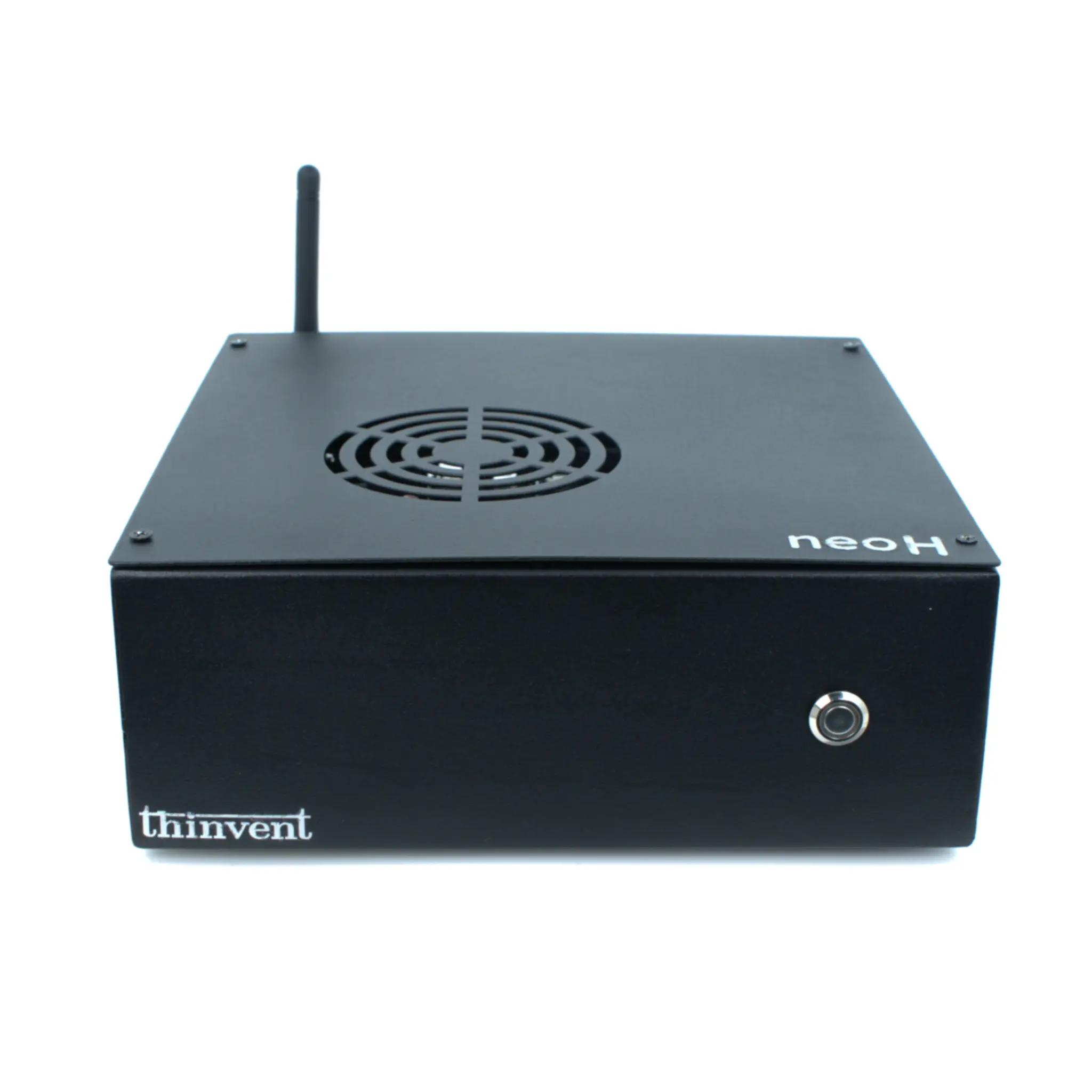
Thinvent specializes in compact, fanless industrial computers engineered for satellite and edge computing roles. Our product range, like the Aero Mini PC series, embodies the core principles of remote operation: reliability, low power consumption, and a rugged form factor. Featuring efficient Intel processors, DDR4 RAM, and solid-state storage, these systems are designed to perform consistently in challenging conditions. They support a variety of operating systems, from Windows IoT and Linux to headless embedded platforms, offering the flexibility needed for diverse remote applications. Thinvent's solutions provide a dependable computing foundation for deploying intelligence at the very edge of your network.