What is SBC Computing?
Single Board Computer (SBC) computing refers to a complete computer built on a single circuit board, with a microprocessor, memory, input/output (I/O), and other features required for a functional computer. Unlike traditional desktop PCs with separate components, SBCs integrate all core functionalities into a compact, unified platform. This design is ideal for embedded systems, IoT gateways, digital signage, and industrial automation where space, power efficiency, and reliability are critical.
Key Specifications and Technical Details
Modern SBCs are defined by their compact form factor, low power consumption, and robust I/O connectivity. Key specifications to consider include the processor architecture (x86 or ARM), core count, thermal design power (TDP), and operating temperature range. Memory is typically soldered LPDDR4 or DDR4, with storage provided via M.2 or eMMC interfaces. Critical I/O includes multiple USB ports (often USB 3.2), Gigabit Ethernet, HDMI/DisplayPort outputs, and GPIO headers for hardware interfacing. Many industrial SBCs feature fanless cooling for silent, maintenance-free operation in harsh environments.
Applications and Use Cases
SBCs are the backbone of countless embedded and edge computing applications. Their small size and low power draw make them perfect for IoT Gateways collecting and processing sensor data. In Digital Signage, they power interactive kiosks and video walls. Industrial Automation utilizes them for machine vision, PLCs, and HMI panels. They are also prevalent in Network Appliances (firewalls, routers), Thin Clients, and Medical Devices. The versatility of SBCs allows them to be customized for specific vertical applications with tailored operating systems like embedded Linux or Windows IoT.
SBCs vs. Traditional Mini PCs
While both are compact, key differences exist. The table below highlights the primary distinctions:
| Feature | Single Board Computer (SBC) | Traditional Mini PC |
|---|---|---|
| Form Factor | Single, exposed PCB | Enclosed chassis |
| Expandability | Limited; uses headers (GPIO, M.2) | Moderate; may have SODIMM slots, 2.5" bays |
| Customization | High; designed for integration into larger systems | Low; typically used as-is |
| Primary Use | Embedded systems, prototyping, industrial control | General computing, office use, home theater |
| I/O Flexibility | High; includes GPIO, serial, CAN bus | Standard; USB, HDMI, Ethernet |
| Operating Environment | Often designed for extended temperatures | Typically commercial/consumer temperature range |
Thinvent SBC and Compact Computing Solutions
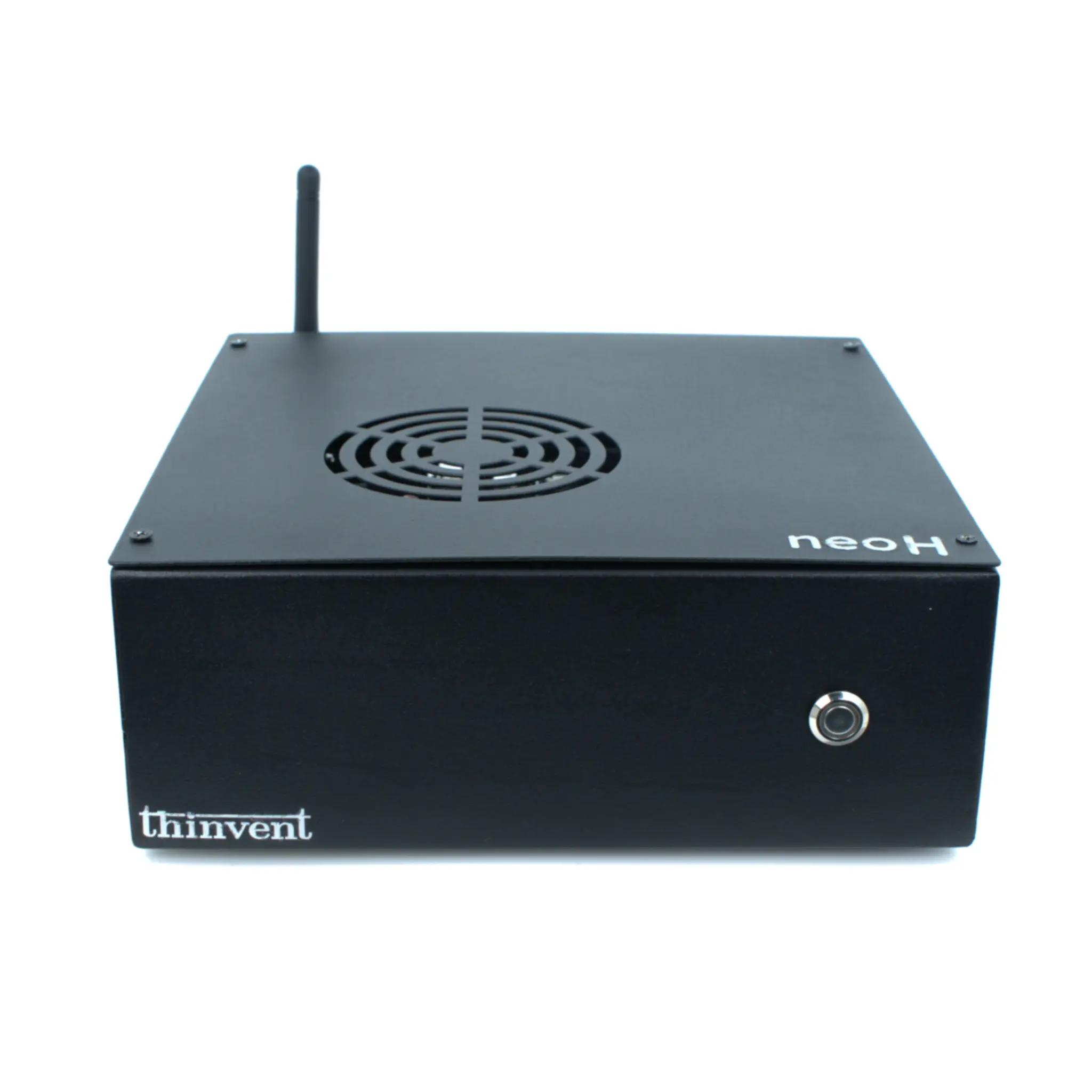
Thinvent offers a range of industrial-grade compact computing solutions that embody the principles of SBC computing. Our fanless Aero Mini PC series, for example, features a highly integrated design with soldered memory and storage, providing SBC-like reliability in a protected enclosure. These systems are built with low-power Intel processors, such as the efficient N-series, and support multiple operating systems including Windows IoT, Ubuntu Linux, and our proprietary Thinux™ Embedded Linux. They are engineered for 24/7 operation in demanding settings like factory floors, transportation, and outdoor installations, delivering the durability and performance required for modern SBC computing applications.