What a SCADA System Needs From Its Hardware
A SCADA (Supervisory Control and Data Acquisition) system sits between the plant floor and the people who operate it. It polls PLCs, RTUs, sensors and meters, converts those readings into a live process picture, logs historical data, raises alarms and pushes setpoints back out to field devices. Because that supervisory role is continuous, the computer running the SCADA server or HMI is not a general-purpose office PC — it is control-room infrastructure that has to stay available for months or years at a time.
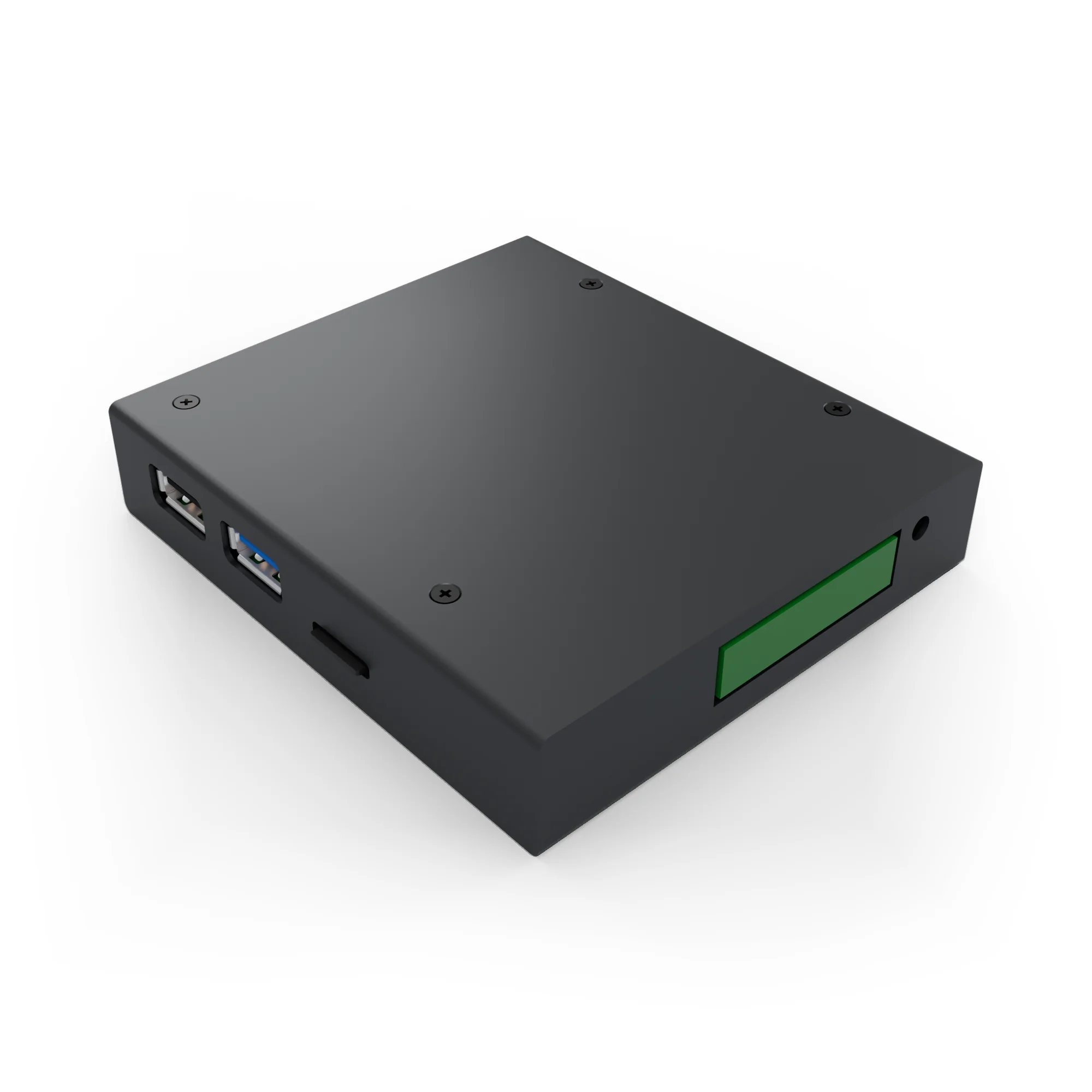
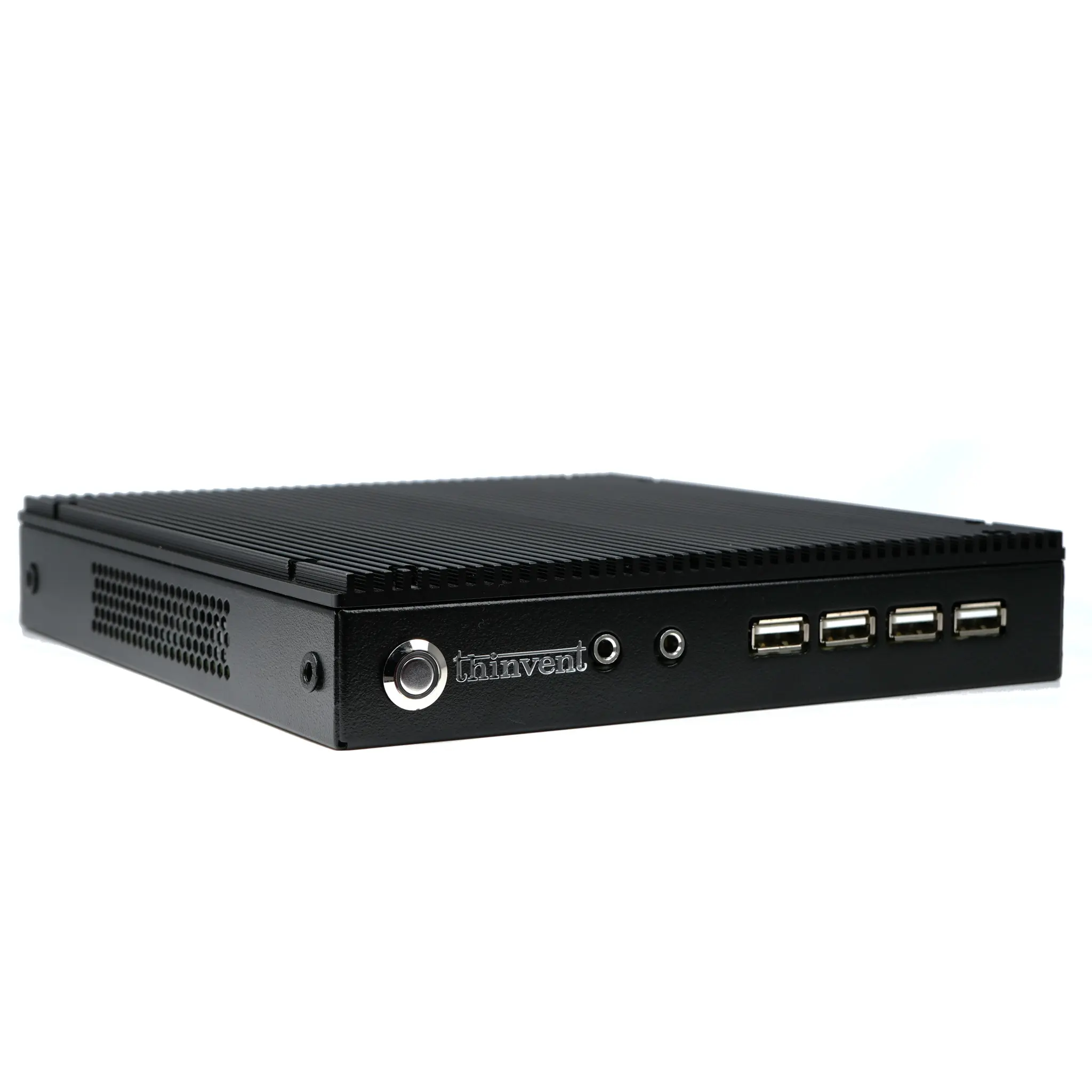
The practical requirement list is fairly consistent across industries: a processor capable of handling several thousand tags with fast scan cycles, enough memory to keep the historian and client sessions responsive, multiple isolated serial ports for legacy RTU and meter links, dual Gigabit Ethernet for separating the control network from the corporate network, and storage that will not fail from constant writes. In many installations it also means fanless cooling and a wide input voltage range, because the enclosure may sit in a panel on the plant floor rather than in an air-conditioned office.
Protocols, Ports and Real-World Constraints
SCADA software rarely talks to just one thing. A typical deployment mixes Modbus RTU over RS-485, Modbus TCP, DNP3, IEC 60870-5-104, IEC 61850, OPC UA and vendor-specific drivers — sometimes all at once. That pushes hardware in a specific direction:
-
Native serial ports with RS-232/RS-422/RS-485 support, often optically isolated, so the SCADA host can reach RTUs, energy meters and older PLCs without a rack of USB converters that can be unplugged or lose their COM port assignments after a reboot.
-
Two Ethernet interfaces so the SCADA server can bridge the OT and IT networks with a firewall in between, without resorting to a single flat network.
-
Watchdog timer and auto power-on so the machine recovers from a hang or a power interruption without a site visit.
-
Wide DC input (typically 9–36 V DC) so the unit can run directly from the same 24 V DC supply used by the panel instrumentation.
Environmental resilience matters just as much. Control cabinets get hot, dusty and subject to vibration. A fanless chassis removes the single most common mechanical failure point, and industrial-grade SSD or eMMC storage avoids the write-amplification problems that kill consumer drives in 24/7 logging duty.
Matching Hardware to SCADA Scale
| SCADA deployment | Typical tag count | Suggested class | Memory | Storage | Notes |
|---|---|---|---|---|---|
| Small machine HMI + local SCADA | Up to ~2,000 | Intel Celeron / N-series, 4–6 cores | 8–16 GB | 128–256 GB | Fanless mini PC or panel-less IPC |
| Single-line |