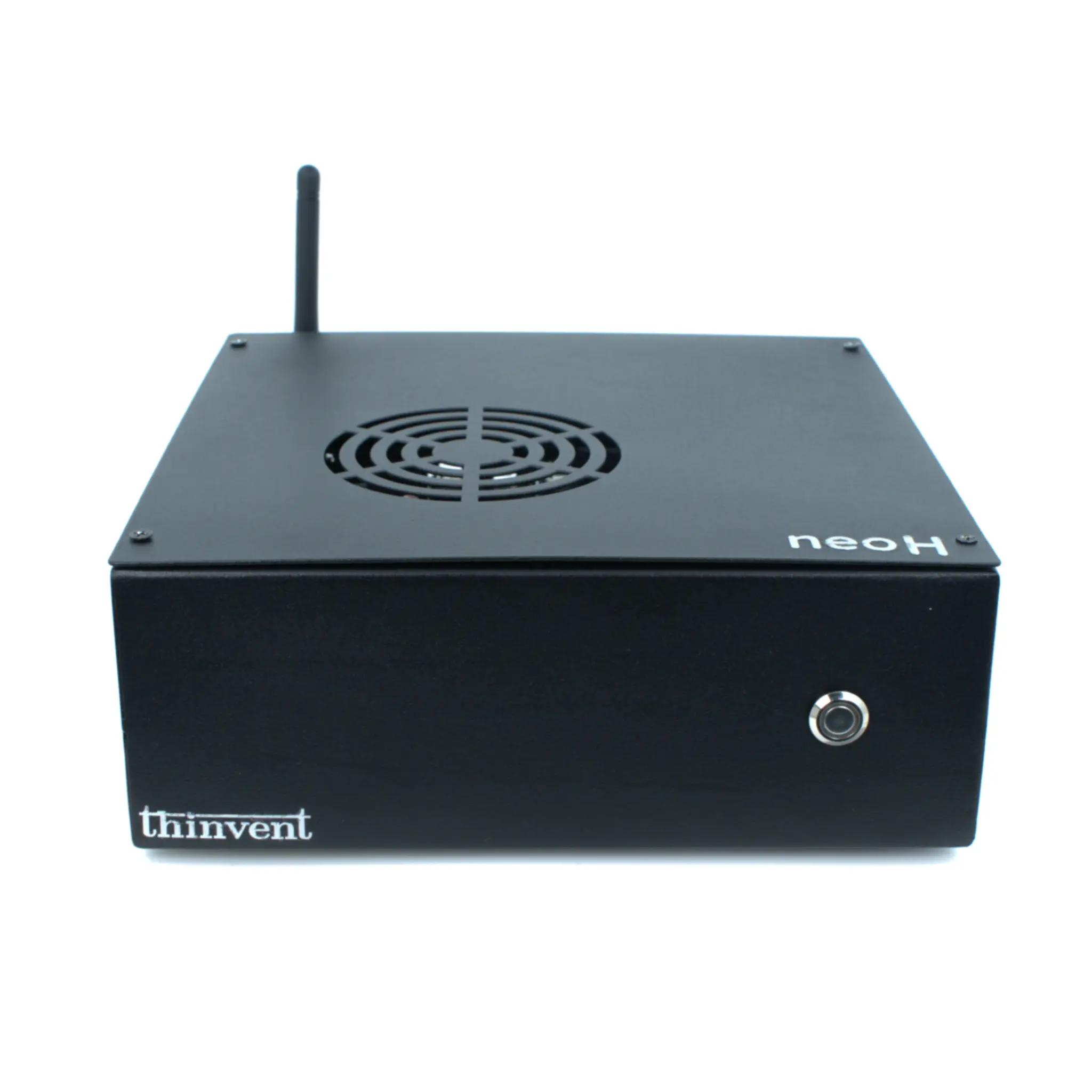
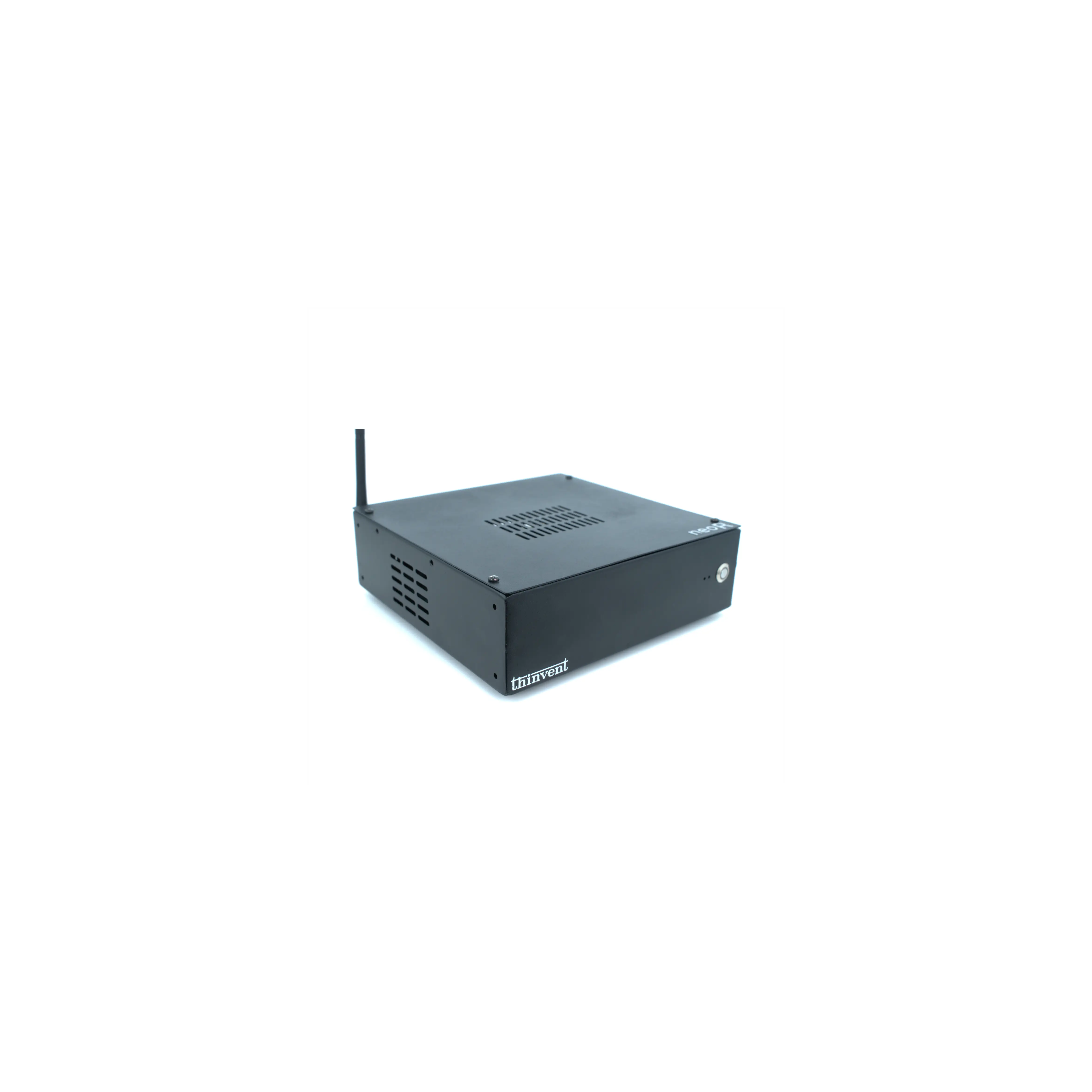
What is an SFF Server?
An SFF (Small Form Factor) server is a compact, space-efficient computing solution designed to deliver server-grade performance and reliability in a significantly reduced physical footprint. Unlike traditional rack or tower servers, SFF servers prioritize minimal space consumption, low power draw, and often feature fanless, solid-state designs for silent and maintenance-free operation. They are engineered for deployment in constrained or harsh environments where space, power, and environmental factors are critical considerations.
Key Specifications and Technical Details
Modern industrial SFF servers are built around low-power, high-efficiency processors from Intel's N-series (like the N100) or higher-performance Core i-series. Key specifications include:
-
Form Factor: Ultra-compact, often smaller than a standard book.
-
Cooling: Passive, fanless cooling systems eliminate moving parts, reducing points of failure and allowing operation in dusty environments.
-
Processors: Utilize Intel processors from the Celeron, N-series, or Core i3/i5/i7 families, balancing performance with thermal efficiency.
-
Memory & Storage: Support for SODIMM DDR4/DDR5 RAM (typically 8GB to 64GB) and M.2 NVMe or SATA SSDs for fast, reliable storage.
-
Connectivity: Feature-rich I/O including multiple Gigabit Ethernet ports, USB 3.2/Type-C, HDMI/DisplayPort, and often serial ports for industrial device integration.
-
Power: Operate on low-voltage DC power (e.g., 12V/19V), making them ideal for PoE (Power over Ethernet) or vehicular power systems.
Use Cases and Applications
The rugged and compact nature of SFF servers makes them ideal for edge computing and embedded applications:
-
Industrial Automation: As a PLC, HMI, or gateway controller on the factory floor.
-
Digital Signage & Kiosks: Driving multiple displays in retail, hospitality, or transportation hubs.
-
Thin Client & VDI Hosts: Serving as a centralized host for virtual desktop infrastructure in offices or call centers.
-
Network Appliances: Functioning as firewalls, routers, or network-attached storage (NAS) devices.
-
In-Vehicle Computing: Deployed in public transit, logistics, or emergency vehicles for telematics and surveillance.
SFF Server Product Comparison
| Feature | Entry-Level / Edge Node | Mid-Range / Gateway | High-Performance / Edge Server |
|---|---|---|---|
| Typical Processor | Intel N100 (4 cores) | Intel Core i3/i5 (10th-12th Gen) | Intel Core i5/i7 (13th-14th Gen) |
| Typical RAM | 8GB - 16GB | 16GB - 32GB | 32GB - 64GB |
| Storage | 128GB - 256GB SSD | 256GB - 1TB NVMe SSD | 512GB - 2TB NVMe SSD |
| Best For | Digital signage, simple gateways | IoT aggregation, light virtualization | Data processing, AI inference at the edge |
| Key Advantage | Ultra-low power, minimal cost | Balanced performance & efficiency | Maximum compute in a small package |
Thinvent's Range of SFF Server Solutions
Thinvent specializes in robust, fanless industrial SFF servers designed for 24/7 operation. Our product lines, such as the Aero Mini PC series, encapsulate the core principles of SFF server design: reliability, compactness, and versatile connectivity. We offer configurations powered by efficient Intel processors, from the N-series for basic tasks to Core i-series for demanding workloads. Every unit is built with industrial-grade components, wide operating temperature ranges, and multiple mounting options, ensuring seamless integration into your specific application, whether it's on a factory wall, inside a kiosk, or in a moving vehicle.