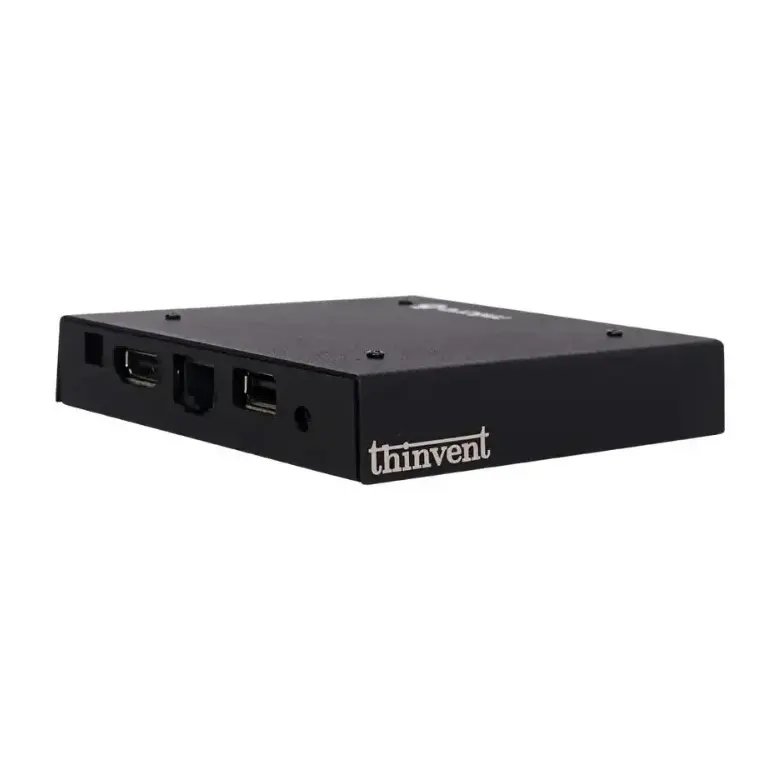
What is a Single PC?
A "Single PC" typically refers to a compact, all-in-one computing solution designed for dedicated, single-purpose applications. Unlike traditional desktop towers, these systems integrate the processor, memory, storage, and I/O into a single, often fanless, chassis. They are engineered for reliability, space efficiency, and operation in demanding environments where consistent performance is critical.
Key Specifications and Technical Details
Modern single PCs, like industrial mini PCs, are built around low-power, high-efficiency processors such as Intel's N-series. Key specifications often include:
-
Processor: Intel processors like the N100, featuring 4 cores, efficient thermal design, and integrated graphics.
-
Memory: Configurations typically start at 8GB or 16GB of DDR4 RAM for smooth multitasking.
-
Storage: Solid-state drives (SSDs) from 128GB to 1TB provide fast boot times and reliable data storage.
-
Design: A fanless, sealed chassis is common, eliminating moving parts for silent operation and protection against dust and debris.
-
Connectivity: Multiple USB ports (including USB 3.2), HDMI outputs, and Gigabit Ethernet are standard for peripheral and network connectivity.
-
Power: Low-voltage DC input (e.g., 12V) allows for flexible power sourcing and integration.
Use Cases and Applications
The robust and compact nature of single PCs makes them ideal for a wide range of industrial and commercial applications:
-
Digital Signage & Kiosks: Powering interactive displays, menu boards, and information terminals in retail, hospitality, and public spaces.
-
Industrial Automation: Serving as a controller for manufacturing equipment, PLCs, or HMI (Human-Machine Interface) stations on the factory floor.
-
Thin Client & VDI: Acting as an endpoint for virtual desktop infrastructure, providing secure access to centralized computing resources.
-
Edge Computing: Processing data locally in IoT networks, transportation systems, or smart city applications where low latency is key.
-
Office & Light Productivity: Functioning as a space-saving desktop computer for general office tasks, web browsing, and document processing.
Comparison of Common Single PC Form Factors
| Feature | Industrial Mini PC | Thin Client | All-in-One PC |
|---|---|---|---|
| Primary Use | Dedicated industrial apps, edge computing | Virtual Desktop access | Office workstation, kiosk |
| Typical OS | Windows IoT, Linux, Windows Pro | Thin OS, Linux | Windows Pro, Windows Home |
| Key Strength | Rugged, fanless, wide temp range | Low cost, secure, easy to manage | Integrated display, clean setup |
| Processing Power | Moderate to High (Core i-series) | Low to Moderate (Celeron/N-series) | Moderate to High (Core i-series) |
| Expandability | Moderate (via I/O) | Low | Low |
Thinvent's Range of Single PC Solutions
Thinvent specializes in robust, fanless industrial computing solutions perfect for single-PC deployments. Our product lines, such as the Aero Mini PC series, are built with the Intel N100 processor, offering an optimal balance of performance and power efficiency for 24/7 operation. We provide flexible configurations with choices in operating system (Windows 11 IoT/Pro, Ubuntu Linux, or DOS), memory, and storage to match your specific application requirements. Designed for reliability in challenging environments, Thinvent PCs are the ideal single-unit computing solution for digital signage, automation, edge computing, and more.