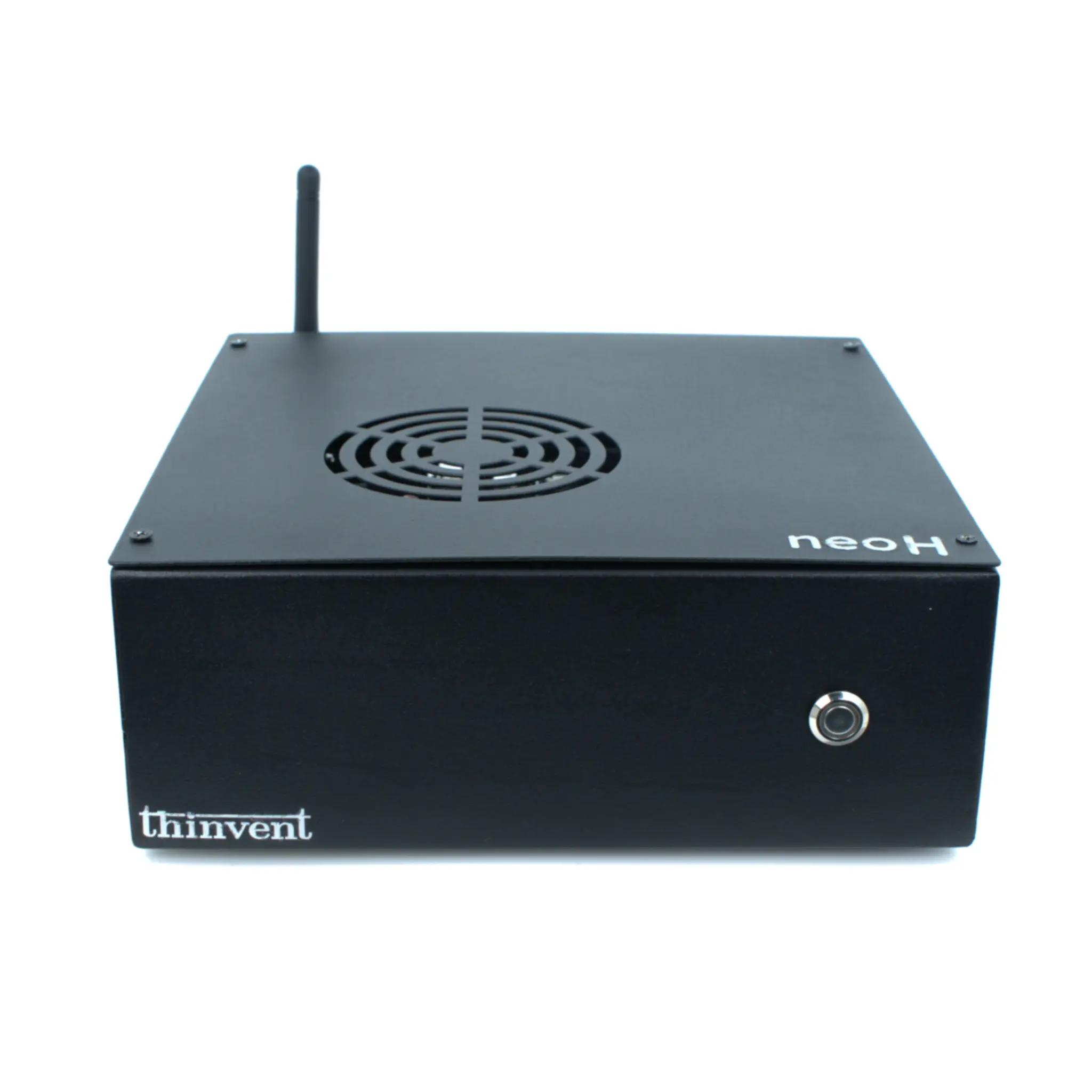
Small, compact, and portable computers are specialized computing devices designed to deliver full functionality in a significantly reduced footprint. These systems, often called mini PCs, micro PCs, or thin clients, prioritize space efficiency, energy savings, and deployment flexibility without sacrificing core computing capabilities. They are engineered to handle a wide range of tasks, from basic digital signage and web browsing to more demanding office productivity and light content creation, making them ideal for environments where a traditional desktop tower is impractical.
Key specifications that define these compact systems include their form factor, processor architecture, and thermal design. They typically utilize low-power, efficient processors from Intel (like the N-series, Core i3/i5) or ARM (Cortex series), which enable fanless or near-silent operation—a critical feature for noise-sensitive settings. Common configurations feature 4GB to 16GB of RAM and storage options from 64GB eMMC to 512GB SSDs. Their connectivity is robust for their size, often including multiple USB ports (including USB-C), HDMI outputs for dual displays, and Gigabit Ethernet, with many models offering built-in Wi-Fi for ultimate portability.
The applications for compact portable computers are vast and varied. They are perfectly suited for digital signage in retail and hospitality, as point-of-sale (POS) terminals, in kiosks, and for interactive displays. Their low power consumption and silent operation make them excellent for home theater PCs (HTPCs) and living room entertainment centers. In office settings, they serve as space-saving workstations or thin clients for virtual desktop infrastructure (VDI). Their ruggedized variants are deployed in industrial automation, IoT gateways, and transportation systems due to their reliability and ability to operate in wider temperature ranges.
Typical Compact Computer Comparison
| Feature | Basic Thin Client / Micro PC | Performance Mini PC | Industrial-Grade Mini PC |
|---|---|---|---|
| Typical Processor | ARM Cortex (A53/A55) or Intel N-series | Intel Core i3/i5 (U-series) | Intel Core i5/i7 (P-series) or N-series |
| Use Case | Web browsing, digital signage, VDI | Office productivity, light gaming, media center | Automation, edge computing, harsh environments |
| Cooling | Fanless | Often fanless or quiet fan | Fanless with robust heatsink |
| Key Advantage | Ultra-low power, cost-effective | Balanced performance & size | Durability, wide operating temperature |
Thinvent Compact and Portable Computing Solutions
Thinvent offers a comprehensive portfolio of small, compact, and portable computers designed for reliability and versatility across all applications. Our range includes the ultra-compact Micro series thin clients, powered by efficient ARM processors for lightweight tasks and VDI. For balanced performance in a mini PC form factor, the Treo and Aero series feature Intel processors from the N100 up to the latest Core i5, suitable for office work and multimedia. For demanding industrial and commercial deployments, the IPC series of industrial mini PCs deliver robust performance with Intel Core processors in a rugged, fanless chassis. All Thinvent systems are built for 24/7 operation, offer flexible mounting options (including VESA), and come with a choice of operating systems, providing a dependable computing solution for any compact space requirement.