Understanding Compact Desktop Computers
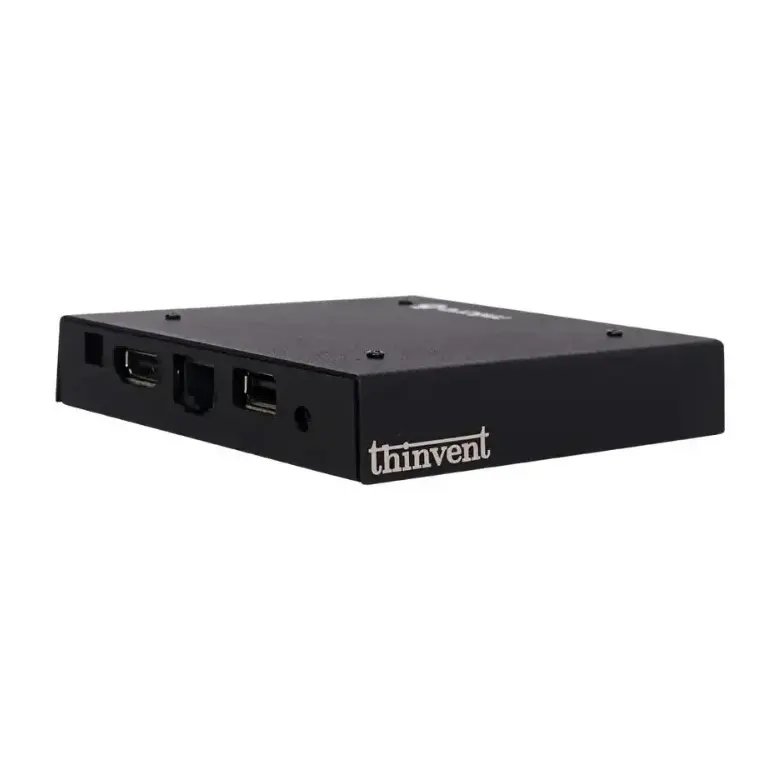
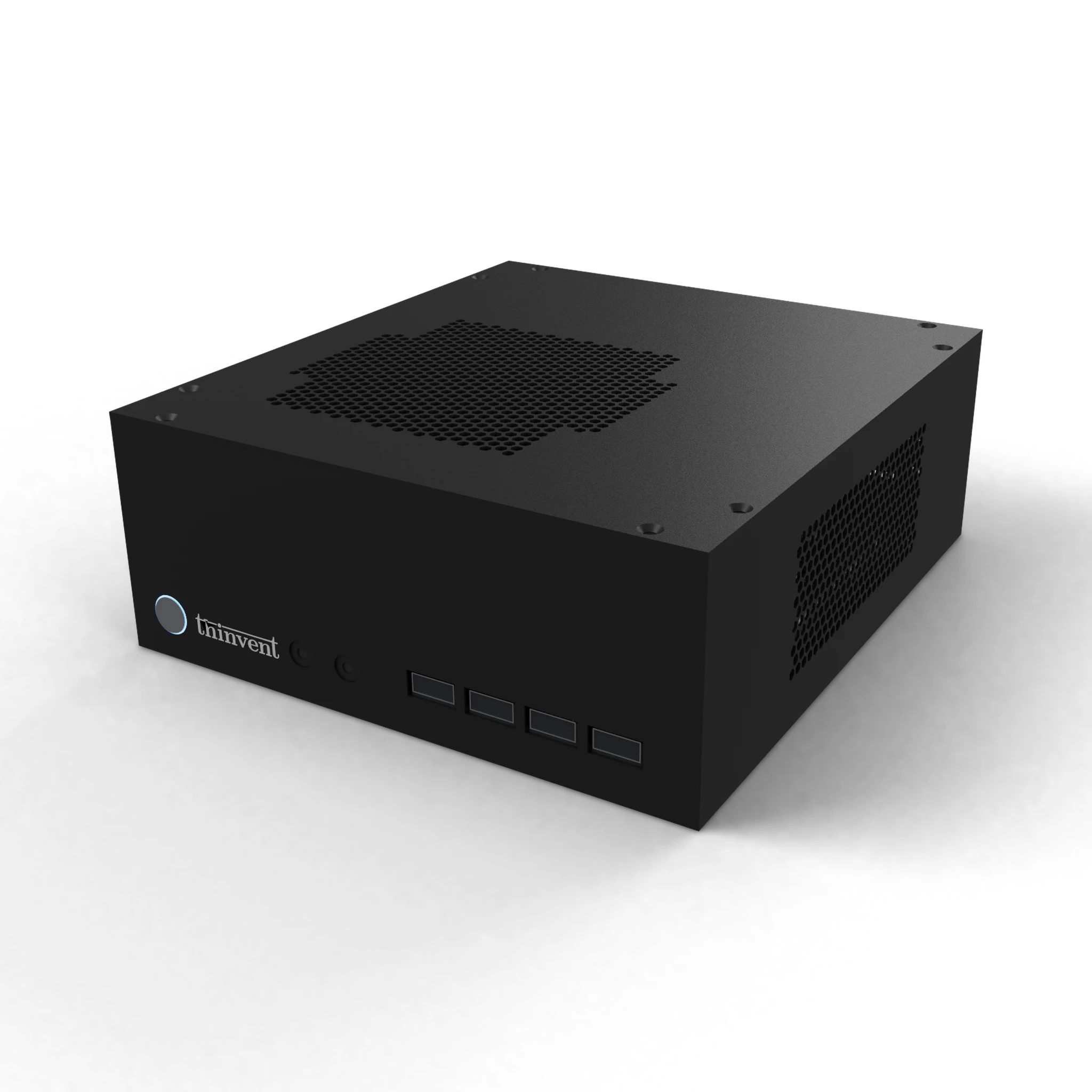
A compact desktop computer, often referred to as a mini PC, is a small-form-factor computing device that provides the full functionality of a traditional desktop tower in a significantly reduced footprint. These systems are engineered for efficiency, reliability, and deployment in space-constrained or demanding environments. They are ideal for users seeking a powerful, yet unobtrusive computing solution for business, industrial, or digital signage applications.
Key Specifications and Technical Details
Modern compact desktops are built around efficient, low-power processors from brands like Intel, often from the Celeron or N-series. Key specifications to consider include:
-
Processor: Multi-core CPUs (e.g., 4-core) with high clock speeds (up to 3.4 GHz) for smooth multitasking.
-
Memory: Typically equipped with 8GB to 16GB of DDR4 RAM for responsive performance.
-
Storage: Fast solid-state drives (SSDs) ranging from 128GB to 512GB provide quick boot times and application loading.
-
Connectivity: Standard features include Gigabit Ethernet, multiple USB ports (including USB 3.2 and Type-C), and dual HDMI outputs for multi-monitor setups.
-
Design: A hallmark feature is fanless, silent operation, made possible by efficient thermal design, which enhances reliability by eliminating moving parts.
Use Cases and Applications
These versatile computers are deployed across numerous sectors due to their durability and compact size:
-
Digital Signage & Kiosks: Powering interactive displays and information points in retail, hospitality, and public spaces.
-
Office Productivity: Serving as energy-efficient workstations for general office tasks, web browsing, and document processing.
-
Industrial Automation: Operating reliably in factory settings for machine control, data acquisition, and HMI (Human-Machine Interface) applications.
-
Thin Client & VDI: Acting as endpoints for virtual desktop infrastructure, centralizing management and security.
-
Edge Computing: Processing data locally in IoT networks, from retail to smart city deployments.
Comparison of Common Compact Desktop Form Factors
| Feature | Mini PC (Box Style) | Thin Client | All-in-One PC |
|---|---|---|---|
| Primary Use | General-purpose computing, digital signage, industrial | Virtual Desktop/VDI endpoint, basic tasks | Integrated office workstation, point-of-sale |
| Typical Processor | Intel Celeron, Intel N-series | Intel/ARM, lower power | Intel i3/i5, mobile or desktop variants |
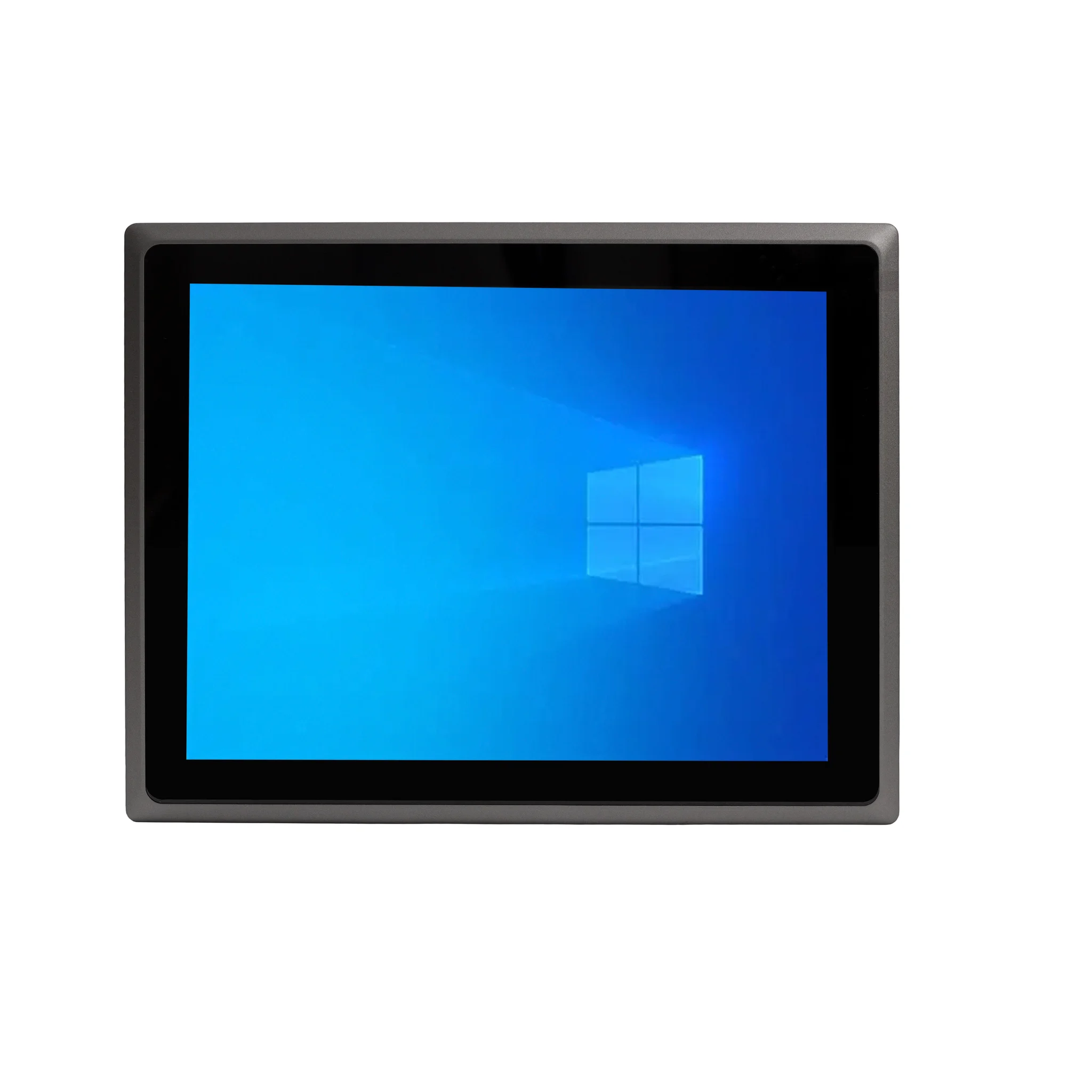
| Display | Requires external monitor(s) | Requires external monitor | Built-in screen (e.g., 21.5" or 23.8") |
| Expandability | Moderate (RAM, SSD) | Low | Very Low |
| Deployment Flexibility | High (mountable, discreet) | High | Fixed location |
Thinvent Compact Desktop Solutions
Thinvent specializes in robust, fanless industrial computers that exemplify the compact desktop category. Our product lines, such as the Aero Mini PC series, are designed for 24/7 operation in challenging environments. They feature efficient Intel processors, generous memory and storage configurations, and a wide selection of operating systems including Windows 11, Ubuntu Linux, and our proprietary Thinux™ Embedded Linux. Built with durability and silent operation as core principles, Thinvent computers are trusted globally for digital signage, factory automation, and edge computing applications where reliability cannot be compromised.