What Is a Thin Client?
A thin client is a lightweight, network-dependent computer designed primarily to connect to a centralized server or cloud environment where the actual computing and data processing occur. Unlike a traditional desktop PC (a "fat client"), a thin client has minimal local processing power, storage, and memory. Its core function is to provide a user interface—displaying the output from the remote server and sending input (like keyboard and mouse actions) back to it. This architecture is the foundation of Virtual Desktop Infrastructure (VDI) and desktop-as-a-service (DaaS) solutions.
Key Specifications and Technical Details
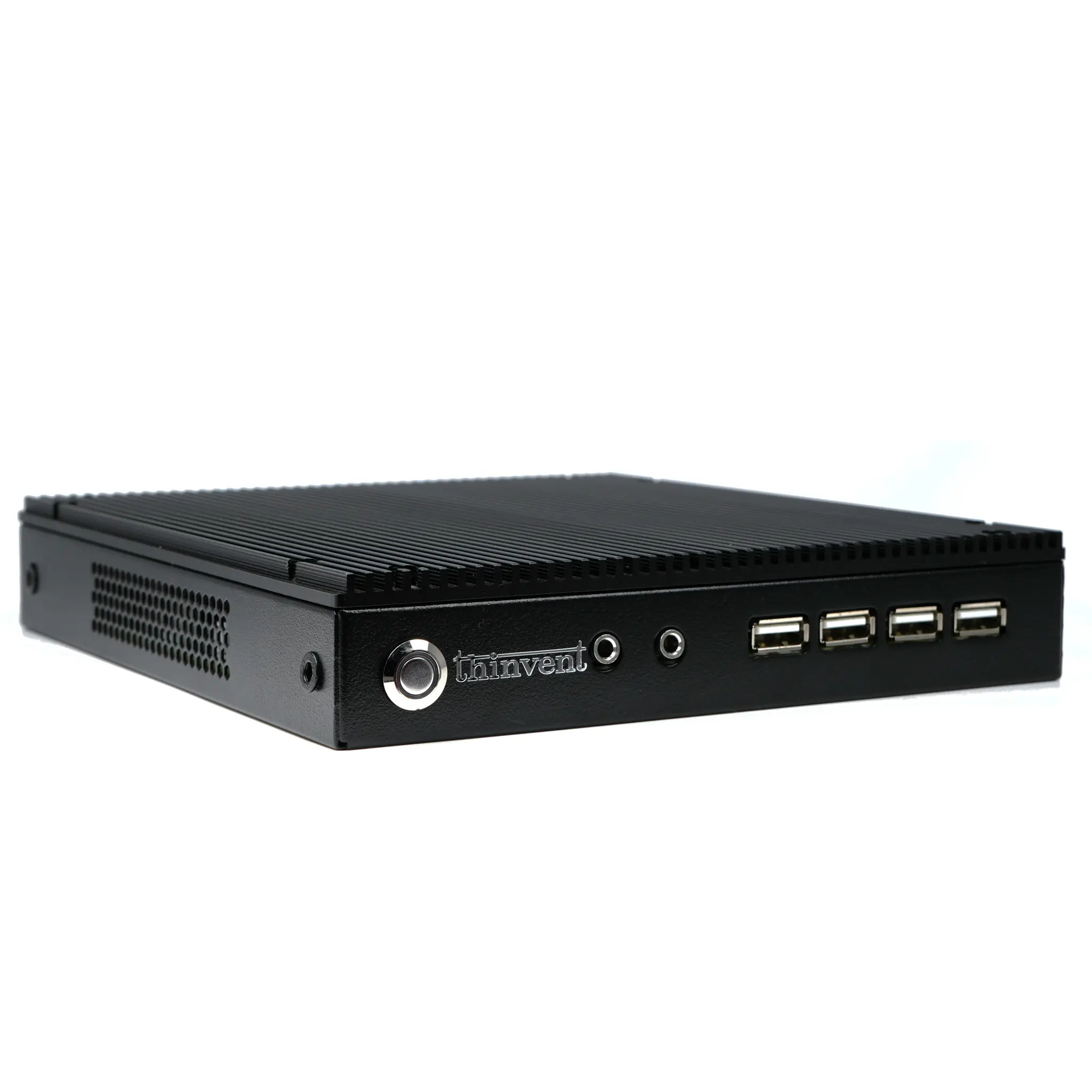
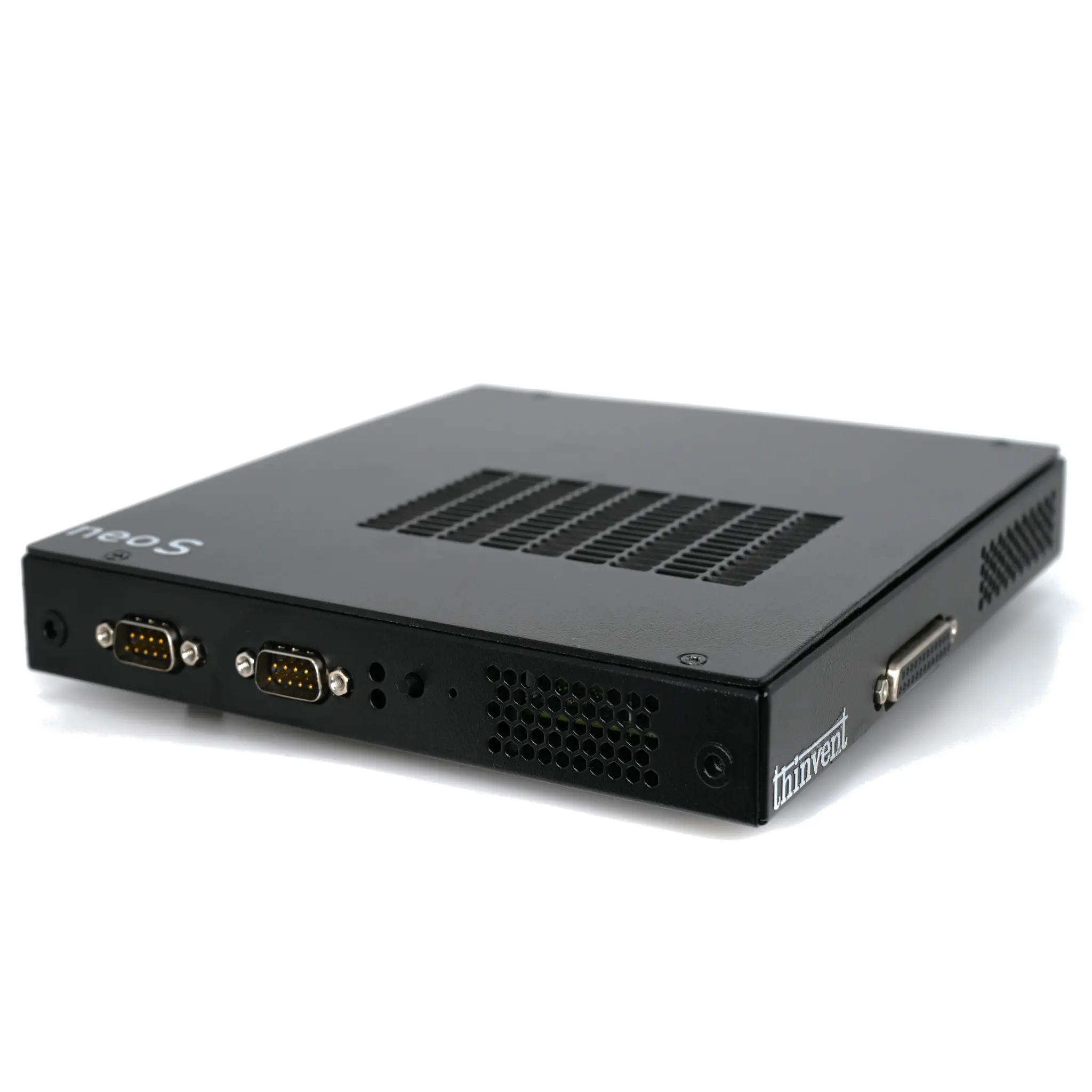
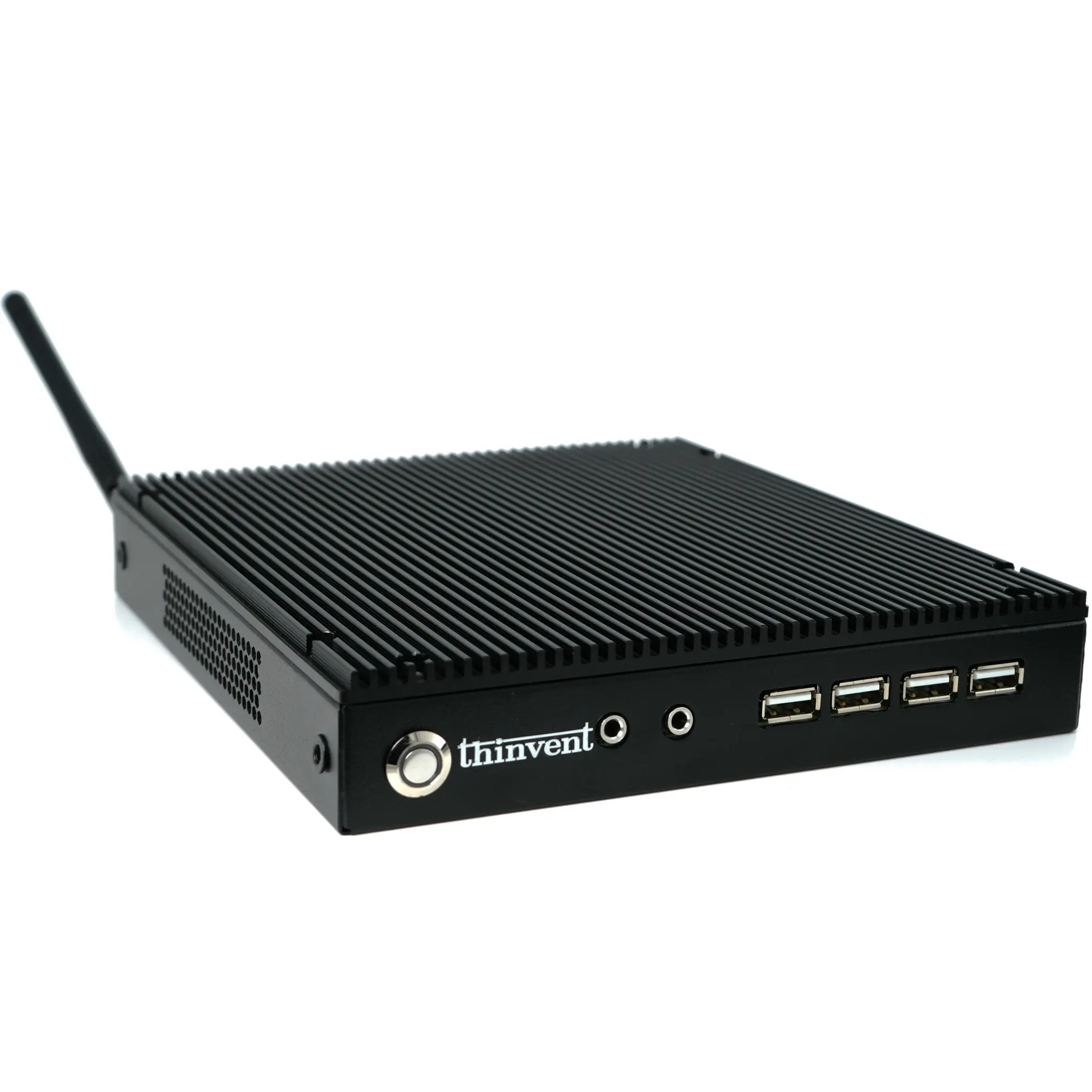
Thin clients are characterized by their streamlined hardware. They typically feature low-power processors (like Intel Atom, Celeron, or ARM-based chips), modest amounts of RAM (often 4GB to 8GB), and small solid-state drives (SSDs) or even flash memory just large enough for the operating system and connection software. They are designed for reliability and energy efficiency, often operating in fanless, compact form factors. Key connectivity includes multiple display outputs (HDMI, DisplayPort), Ethernet for stable network access, and USB ports for peripherals. The operating system is usually a stripped-down, secure version of Windows, Linux, or a proprietary embedded OS.
Primary Use Cases and Applications
The centralized nature of thin clients makes them ideal for environments requiring security, manageability, and cost-effective scaling.
-
Enterprise & Corporate Offices: For standardized desktops where IT departments can deploy, update, and secure software from a central location.
-
Education: In computer labs and classrooms, providing a consistent experience for all students while preventing unauthorized software installation.
-
Healthcare: Accessing Electronic Health Record (EHR) systems from nurses' stations or patient rooms, ensuring data never leaves the secure server.
-
Call Centers & Retail: Running specific, cloud-based CRM or POS applications on durable, low-maintenance hardware.
-
Industrial & Digital Signage: As reliable endpoints in factories or for driving content on multiple displays, benefiting from their small size and fanless operation.
Thin Clients vs. Traditional Desktops vs. Mini PCs
| Feature | Thin Client | Traditional Desktop PC | Mini PC (as a Fat Client) |
|---|---|---|---|
| Processing | Remote (on server) | Local | Local |
| Primary Use | Accessing virtual desktops/apps | General-purpose computing | Space-saving general or specific computing |
| Hardware Specs | Minimal, low-power | High-performance, upgradable | Moderate to high, compact |
| Management | Centralized, easy to deploy/update | Individual, complex | Individual, simpler due to size |
| Security | High (data resides on server) | Dependent on local policies | Dependent on local policies |
| Total Cost of Ownership | Lower long-term (energy, management) | Higher (hardware, maintenance) | Variable |
Thinvent's Thin Client Solutions
Thinvent offers a range of robust and efficient thin client devices perfect for deploying VDI and cloud-based workloads. Our solutions, like the Aero Mini PC series, combine the compact, fanless reliability ideal for thin client duty with the flexibility to also function as a standard mini PC. Featuring efficient Intel processors, multiple OS options (including Windows IoT, Linux, and FreeDOS for custom images), and durable construction, Thinvent thin clients provide a secure, manageable, and cost-effective endpoint for modern business environments. They are designed for 24/7 operation in diverse settings, from office desks to industrial kiosks.