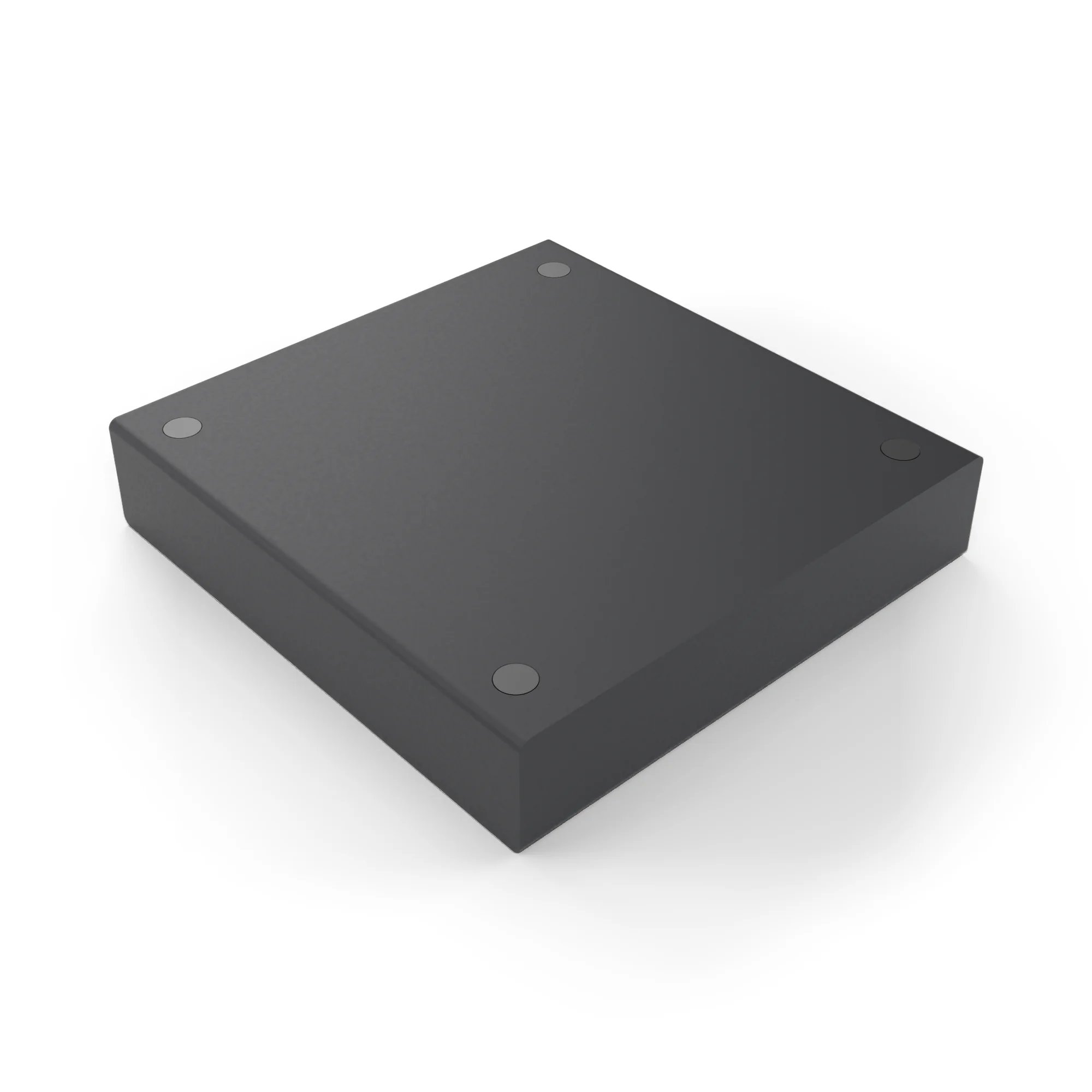
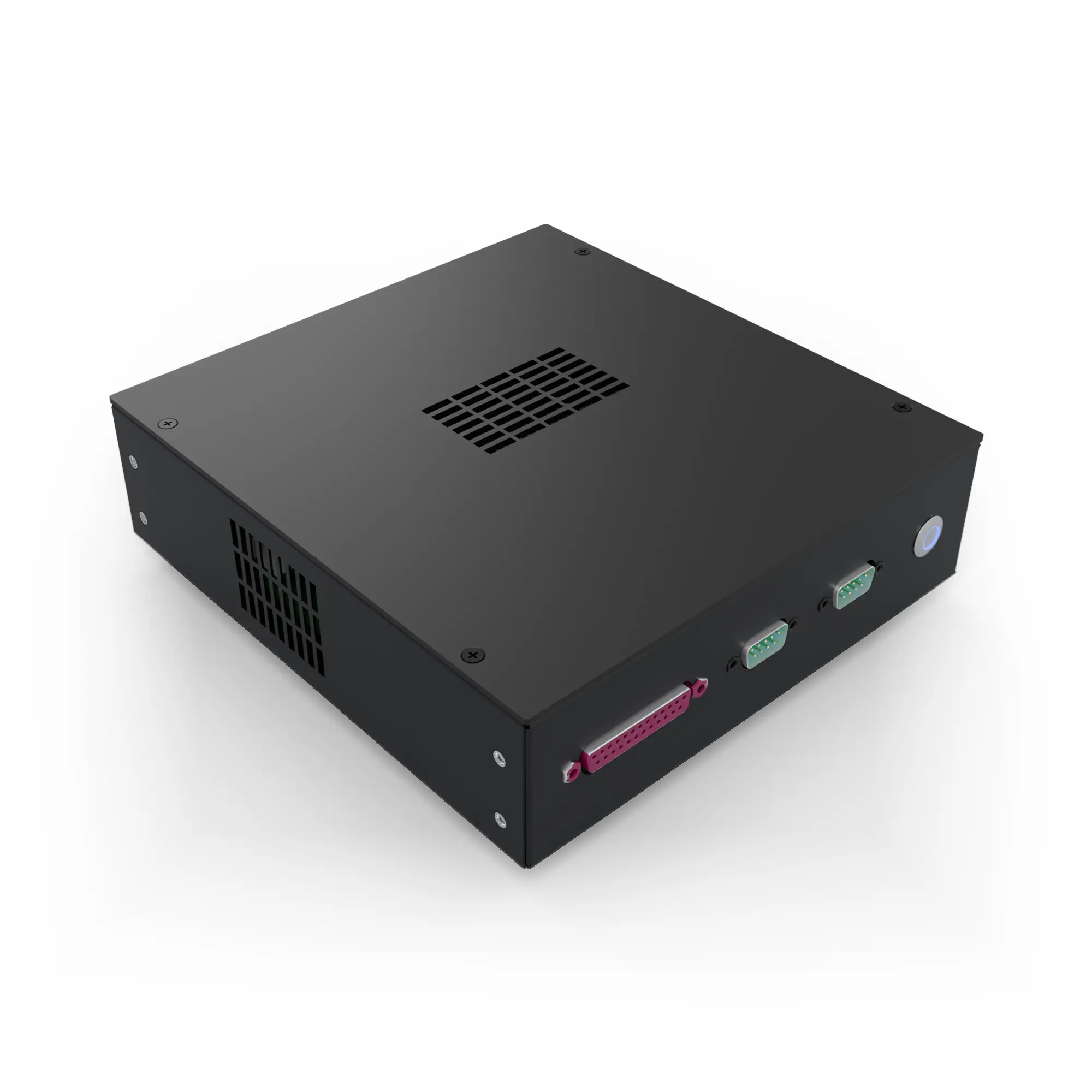
A thin client is a small computer that runs applications and desktops from a central server. It has no hard drive for user data. The device connects to a server, virtual desktop or cloud session over a network, and the server does most of the processing. Thin clients suit offices, call centres, schools, retail counters and kiosks that need many identical, low-maintenance endpoints.
Thin clients in this range use two processor families. The Thinvent Micro 5R uses an ARM Cortex A53 processor with 4 cores running up to 2.0 GHz. It has 2 GB of RAM, 16 GB of eMMC storage, WiFi 6, Bluetooth, an HDMI 2.0 port and a speaker output. It runs Thinux embedded Linux. The Thinvent Neo S uses an Intel Celeron J1900 processor with 4 cores running up to 2.4 GHz and 2 MB of cache. Neo S models come with 4 GB or 8 GB of DDR3 RAM and 32 GB MLC SSD, 128 GB SSD or 256 GB SSD storage, depending on the model.
Operating system choices depend on the model. Neo S models are available with Windows 11 Pro, Ubuntu Linux, Thinux embedded Linux, DOS, or without an operating system. The Micro 5R ships with Thinux. Buyers who run Windows-based remote desktop software should select a Neo S with Windows 11 Pro. Buyers who want a low-cost Linux endpoint for a browser or virtual desktop can choose the Micro 5R or a Neo S with Ubuntu or Thinux.
Connectivity differs between the two families. The Micro 5R includes WiFi 6 and Bluetooth. The Neo S models listed here have no WiFi, so they connect by wired Ethernet. Choose a wired model for fixed desks where network cabling is available.
| Feature | Micro 5R | Neo S |
|---|---|---|
| Processor | ARM Cortex A53, 4 cores, up to 2.0 GHz | Intel Celeron J1900, 4 cores, up to 2.4 GHz |
| RAM | 2 GB | 4 GB or 8 GB DDR3 |
| Storage | 16 GB eMMC | 32 GB, 128 GB or 256 GB SSD |
| WiFi | WiFi 6 and Bluetooth | No WiFi |
| Operating system | Thinux embedded Linux | Windows 11 Pro, Ubuntu Linux, Thinux, DOS or none |
Thinvent Thin Clients
Thinvent has the Micro 5R and the Neo S range of thin clients. Choose the Micro 5R for a compact, WiFi-enabled Linux endpoint. Choose a Neo S for an Intel-based endpoint with a choice of Windows 11 Pro, Ubuntu, Thinux or DOS.